Why it works: Clove and pepper match in chemistry and in kitchens. They rank in the top 5% of all ingredient pairs, and cooks put them together in 17,451 recipes. Both carry ethyl octanoate, which smells fruity, wine. The science ↓
Partridges Aux Choux
Ingredients
Directions
Prepare the cabbage and partridges
Insert strips of bacon into the breasts of the partridges.
Cut the cabbage into quarters, wash it thoroughly, and soak it in cold water for 1 hour.
Remove the stalk from the cabbage and drain it well.
In a large stewpan, layer the cabbage over the partridges.
Braise
Add carrot, onion with clove, sweet herbs, pepper, Bologna sausage, and blanched bacon to the stewpan.
Pour broth into the stewpan to cover the cabbage.
Add melted dripping to the stewpan.
Cover the stewpan with a circular piece of thick white paper before placing the lid on the saucepan.
Boil and simmer for 1.5 hours.
Remove the partridges from the stewpan and keep warm in the oven.
Finish and serve
Drain the cabbage.
Place the drained cabbage in a saucepan with pepper and salt.
Stir the cabbage until all moisture is evaporated.
Layer the cabbage in a dish, arrange the partridges on top, and add more cabbage in the center.
Slice the sausage and bacon.
Cut the carrots into cork-like pieces for garnish.
Melt flour and butter in a stewpan for 3 minutes.
Add 1 pint of good gravy to the stewpan.
Boil the gravy for 10 minutes.
Strain the sauce and serve in a tureen.
Transcribed from a scanned cookbook and modernised for today's kitchens. Where the book gave no heat or time, or said "a moderate oven", the temperatures and times here may be modern equivalents rather than the book's own figures.
Explore the science
The flavor team
The pairs that carry this dish. Each one is judged two ways: how much their aromas overlap, and how often cooks already put them together.
-
Clove + peppertop 5% of all pairsSmell alikestrongCooked together17,451 recipes
Shared aroma: ethyl octanoate (fruity, wine).
-
Carrot + clovetop 5% of all pairsSmell alikestrongCooked together5,873 recipes
Shared aroma: cuminaldehyde (Spicy, cumin).
-
Cabbage + peppertop 5% of all pairsSmell alikemoderateCooked together4,081 recipes
Shared aroma: 2-isopropyl-3-methoxypyrazine (earthy, pea).
-
Carrot + peppertop 6% of all pairsSmell alikestrongCooked together14,555 recipes
Shared aroma: 2-isopropyl-3-methoxypyrazine (earthy, pea).
-
Carrot + oniontop 6% of all pairsSmell alikemoderateCooked together21,601 recipes
Shared aroma: 2-isopropyl-3-methoxypyrazine (earthy, pea).
Ranks compare each pair with 20,000 random ingredient pairs on CompKitchen. How we score pairs
What each ingredient does
- Partridges
- Provide the main meat, which is gently cooked in the broth and cabbage.
- Savoy cabbage
- Forms the bulk of the dish and absorbs flavour from the braising liquid.
- Fat bacon
- Adds fat and savoury flavour that keeps the lean partridge breasts moist.
- Dripping
- Adds richness and fat that carries flavour through the braise.
- Bologna sausage
- Contributes savoury, seasoned meat flavour to the broth and cabbage.
The step that matters
Stirring the drained cabbage until dry. Excess moisture left in the cabbage would dilute its flavour and make the dish watery, so it must be reduced until no liquid remains.
Swap the onion
How well each one fits the dish's main ingredients (cabbage, carrot, clove, pepper):
- Turnipfits better
- Parsnipfits better
- Capsicumfits better
- Onionthe original
Fit is the average pairing score against cabbage, carrot, clove, pepper. Candidates are from the same food group and used in at least 100 recipes.
“What each ingredient does” and “The step that matters” were written by Claude from this recipe’s own method and reviewed in samples by CompKitchen.
You might also like
 Carrot Soup134 recipes
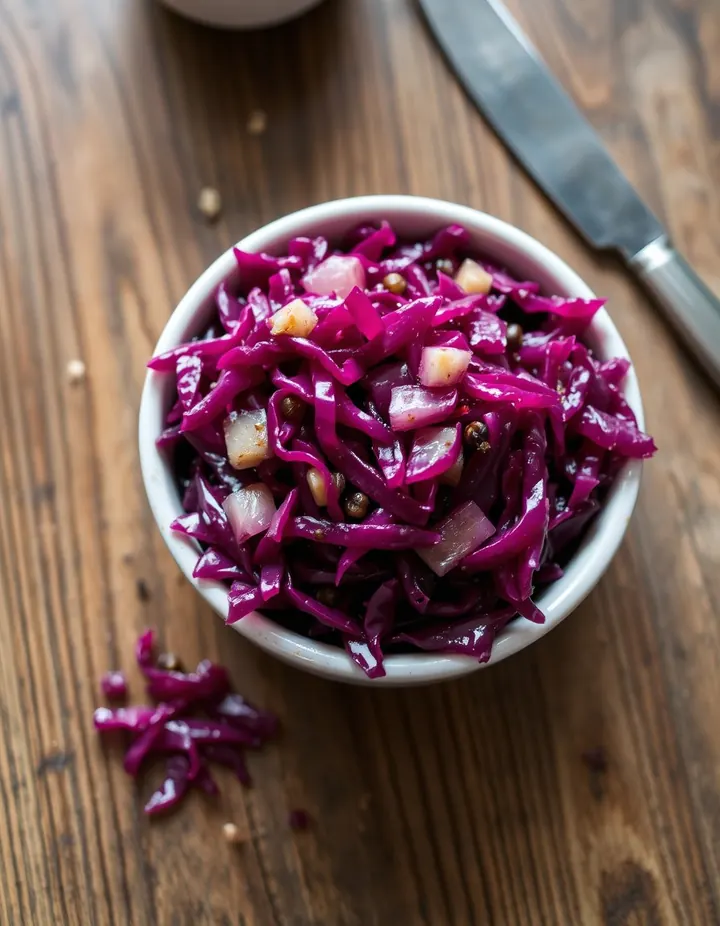 Red Cabbage65 recipes
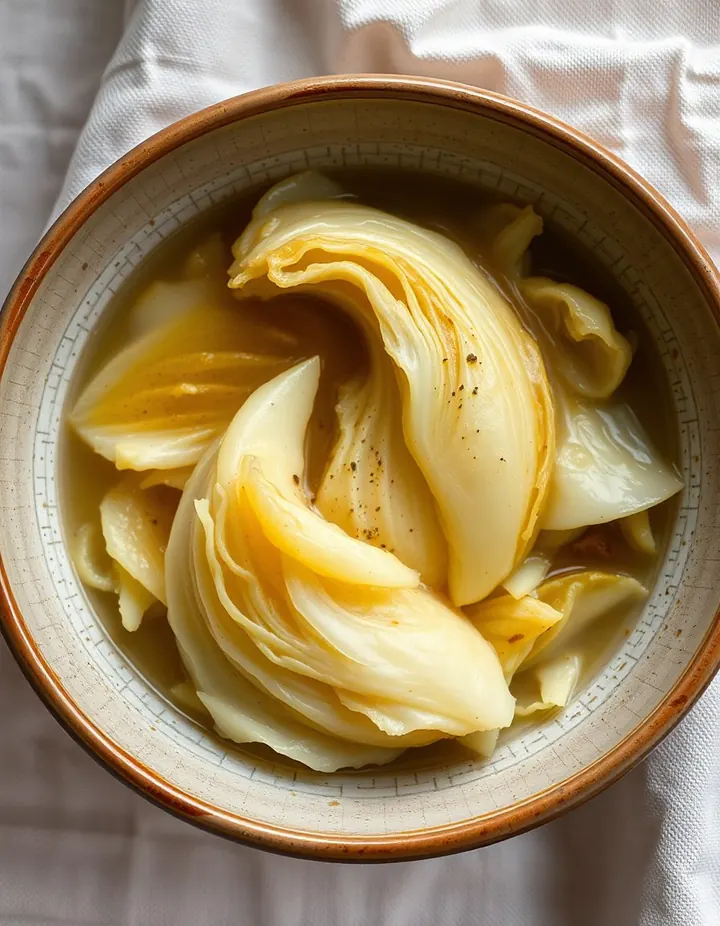 Stewed Cabbage58 recipes
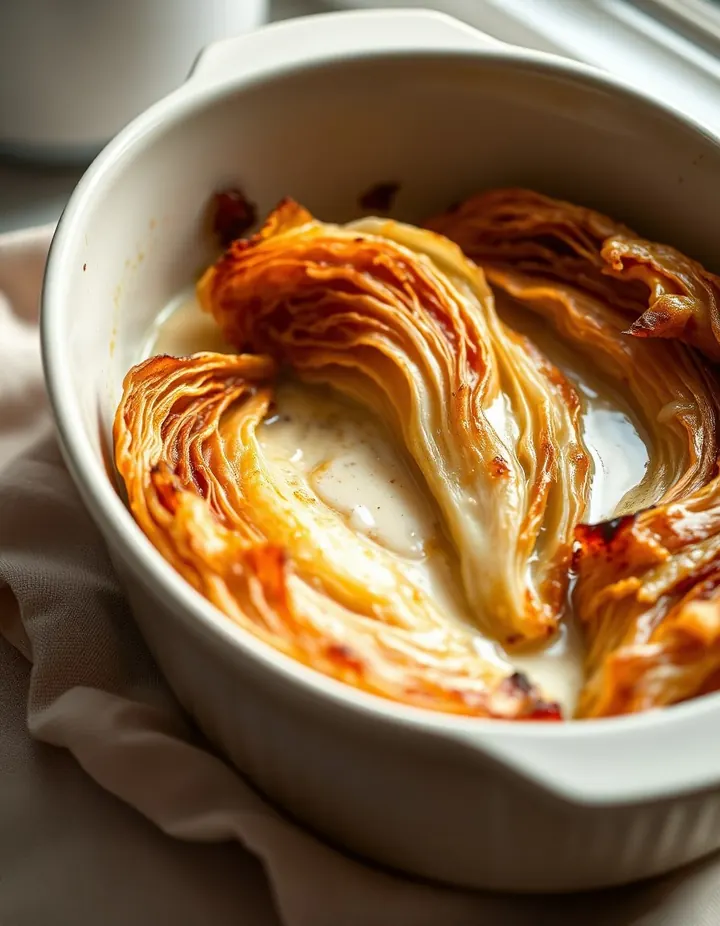 Baked Cabbage51 recipes
The free Flavor Lab newsletter: one surprising pairing a week and the molecular reason it works, in 60 seconds. No spam, unsubscribe anytime.
Prefer an account? Create a free account to save pairings and unlock the full chemistry.