Why it works: Meat and milk are a kitchen classic. They rank in the top 18% of all ingredient pairs, and cooks put them together in 2,703 recipes. Both carry 1-octen-3-one, which smells mushroom, metallic. The science ↓
Sausage Bolls
Ingredients
Directions
The book says “a hot oven”. The 400°F (200°C) in the steps is the modern equivalent, not the book's own figure.
Prepare the sausages
Boil the sausages for 5 minutes, then let them cool and remove the skins.
Cut the sausages in half.
Wrap and bake
Cut the pastry into 5-inch squares.
Place half a sausage on each square, wet the edges, and fold the pastry over, sealing the join at the top.
Mark the top with the back of a knife.
Brush with milk and bake at 400°F (200°C) for about 30 minutes.
Serve hot or cold.
Transcribed from a scanned cookbook and modernised for today's kitchens. Where the book gave no heat or time, or said "a moderate oven", the temperatures and times here may be modern equivalents rather than the book's own figures.
Explore the science
The flavor team
The pairs that carry this dish. Each one is judged two ways: how much their aromas overlap, and how often cooks already put them together.
-
Meat + milktop 18% of all pairsSmell alikemoderateCooked together2,703 recipes
Shared aroma: 1-octen-3-one (mushroom, metallic).
Ranks compare each pair with 20,000 random ingredient pairs on CompKitchen. How we score pairs
What each ingredient does
- Sausages
- Provide the savoury filling that makes up the body of each roll.
- Flaky or short pastry
- Forms the outer wrapper that bakes into a crisp, golden casing around the filling.
- Milk
- Brushed on top to help the pastry brown evenly in the oven.
The step that matters
Sealing the pastry edges. Wetting and pressing the pastry edges closed keeps the filling inside while baking. A weak seal can let juices leak out and make the bottom soggy.
“What each ingredient does” and “The step that matters” were written by Claude from this recipe’s own method and reviewed in samples by CompKitchen.
You might also like
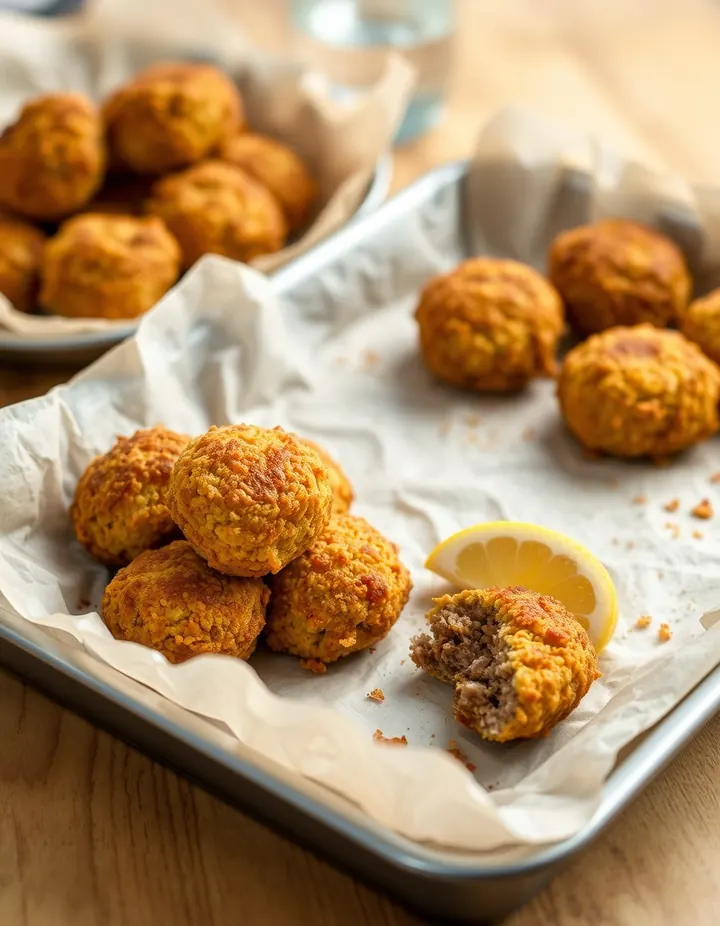 Meat Croquettes52 recipes
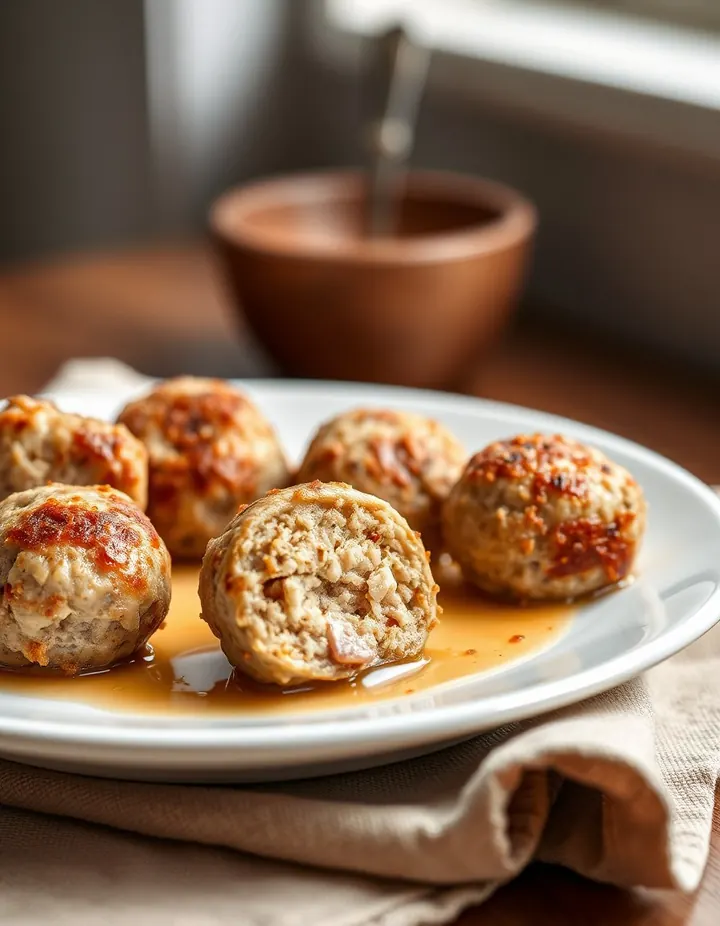 Meatballs37 recipes
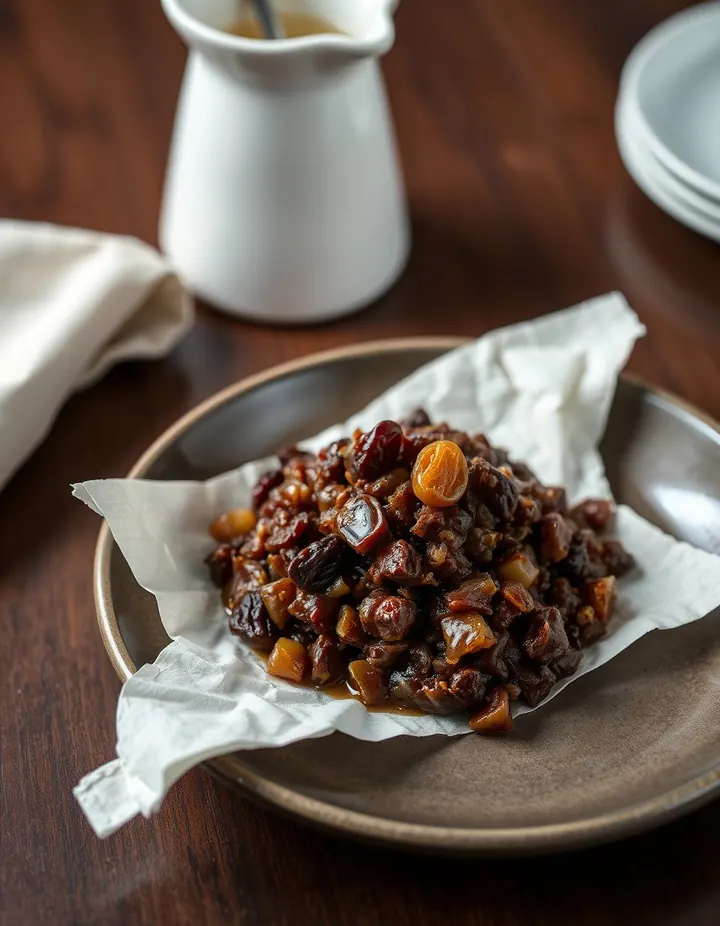 Mince Meat37 recipes
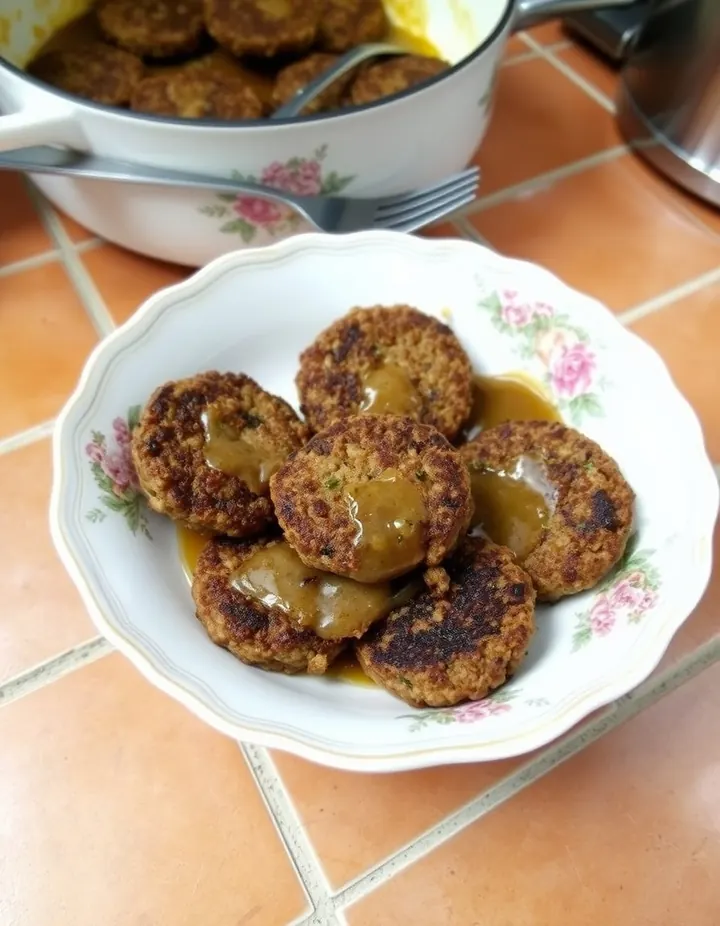 Meat Cakes35 recipes
The free Flavor Lab newsletter: one surprising pairing a week and the molecular reason it works, in 60 seconds. No spam, unsubscribe anytime.
Prefer an account? Create a free account to save pairings and unlock the full chemistry.