Why it works: Milk and vanilla are a kitchen classic. They rank in the top 5% of all ingredient pairs, and cooks put them together in 19,187 recipes. Both carry ethyl caproate, which smells fruity, apple peel. The science ↓
Queen of Puddings
Ingredients
Directions
The book says “a moderate oven”. The 350°F (175°C) in the steps is the modern equivalent, not the book's own figure.
Make the custard base
Combine milk and butter in a saucepan.
Bring the mixture to a boil.
Pour the boiling mixture over the breadcrumbs and sugar.
Add a few drops of vanilla and the egg yolks. Mix the mixture well.
Layer and bake
Pour some of the mixture into a buttered pie dish.
Add a layer of jam on top of the mixture in the dish.
Pour the remaining mixture over the jam layer.
Bake in a moderate oven at 350°F (175°C) for about 35 minutes, until firm.
Top and finish
Whip the egg whites with a pinch of salt until stiff.
Gradually stir in the caster sugar until well combined.
Spread the whipped egg whites on top of the pudding.
Decorate the pudding with cherries and angelica.
Sprinkle the pudding with caster sugar.
Place the pudding in a cool oven at 300°F (150°C) for about 8 minutes to set and lightly brown the egg whites.
Transcribed from a scanned cookbook and modernised for today's kitchens. Where the book gave no heat or time, or said "a moderate oven", the temperatures and times here may be modern equivalents rather than the book's own figures.
Explore the science
The flavor team
The pairs that carry this dish. Each one is judged two ways: how much their aromas overlap, and how often cooks already put them together.
-
Milk + vanillatop 5% of all pairsSmell alikemoderateCooked together19,187 recipes
Shared aroma: ethyl caproate (fruity, apple peel).
-
Vanilla + angelicatop 6% of all pairsSmell alikestrongCooked together170 recipes
Shared aroma: alpha-pinene (pine, turpentine).
-
Butter + milktop 7% of all pairsSmell alikemoderateCooked together81,283 recipes
Shared aroma: (z)-4-heptenal (biscuit, cream).
-
Sugar + vanillatop 8% of all pairsSmell alikelowCooked together35,032 recipes
Shared aroma: beta-damascenone (apple, rose).
-
Butter + vanillatop 14% of all pairsSmell alikemoderateCooked together20,050 recipes
Shared aroma: guaiacol (smoky, sweet).
Sugar and vanilla barely smell alike, yet cooks put them together in 35,032 recipes: they work on texture and structure more than aroma.
Ranks compare each pair with 20,000 random ingredient pairs on CompKitchen. How we score pairs
What each ingredient does
- Eggs
- Egg yolks set the custard and whites whipped to stiff peaks form the light topping.
- Breadcrumbs
- They soak up the hot milk mixture and give the custard its body.
- Milk
- Provides the liquid that sets with the egg and gives the custard its moisture.
- Butter
- Adds richness and fat, giving the custard a softer, tender texture.
- Sugar
- Sweetens the custard and, in the meringue, helps the whites stay glossy and stable.
- Jam
- Adds a sweet, fruity layer between the custard and the baked base.
The step that matters
Whipping and folding the egg whites. Egg whites must be whipped until stiff and the sugar added gradually so the foam holds its shape. Under-whipped or deflated whites will not stand up on top and may weep or sink during the final bake.
Flavor stand-ins for the angelica
How well each one fits the dish's main ingredients (sugar, butter, milk, egg, vanilla):
- Cinnamonbetter flavor fit
- Nutmegbetter flavor fit
- Cloveabout as good a flavor fit
- Angelicathe original
Fit is the average pairing score against sugar, butter, milk, egg, vanilla. Candidates are from the same food group and used in at least 100 recipes. This compares flavor only: it does not check the job the ingredient does in the dish (bulk, moisture, acidity, structure).
“What each ingredient does” and “The step that matters” were written by Claude from this recipe’s own method and reviewed in samples by CompKitchen.
You might also like
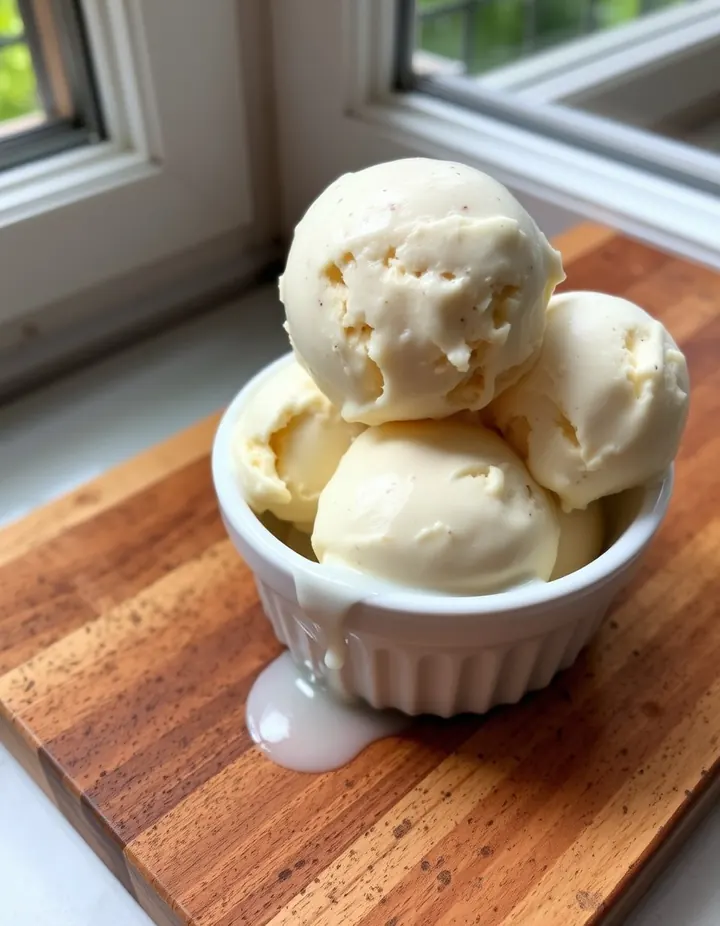 Vanilla Ice Cream108 recipes
 White Cake431 recipes
 Pound Cake373 recipes
 Orange Bundt Cake349 recipes
The free Flavor Lab newsletter: one surprising pairing a week and the molecular reason it works, in 60 seconds. No spam, unsubscribe anytime.
Prefer an account? Create a free account for sign-in; Pro adds the full results and chemistry.