Why it works: Liver and veal match in chemistry and in kitchens. They rank in the top 3% of all ingredient pairs, and cooks put them together in 392 recipes. Both carry enoic acid, which smells butter, cheesy. The science ↓
To Bone a Turkey or Fowl—miss Acton’s
Ingredients
Directions
Cut through the skin down the center of the back.
Carefully raise the flesh on either side with a sharp knife until you reach the sockets of the wings and thighs.
Bone the wings and thighs first for easier handling.
Once detached, remove the entire body from the flesh.
Only the neckbones and merrythought will remain.
Optionally, fill the bird with forcemeat, livers, parboiled tongue, sausage meat, veal forcemeat, or bacon slices.
Transcribed from a scanned cookbook and modernised for today's kitchens. Where the book gave no heat or time, or said "a moderate oven", the temperatures and times here may be modern equivalents rather than the book's own figures.
Explore the science
The flavor team
The pairs that carry this dish. Each one is judged two ways: how much their aromas overlap, and how often cooks already put them together.
-
Liver + vealtop 3% of all pairsSmell alikestrongCooked together392 recipes
Shared aroma: enoic acid (butter, cheesy).
-
Turkey + meattop 13% of all pairsSmell alikelowCooked together540 recipes
Shared aroma: 1-octen-3-ol (mushroom, earthy).
-
Turkey + livertop 15% of all pairsSmell alikelowCooked together190 recipes
Shared aroma: 2-hexenal (green, leafy).
-
Turkey + vealtop 15% of all pairsSmell alikelowCooked together393 recipes
Shared aroma: trans-2-decenal (waxy, orange).
-
Meat + vealtop 18% of all pairsSmell alikelowCooked together1,890 recipes
Shared aroma: 2,4-decadienal (seaweed).
Ranks compare each pair with 20,000 random ingredient pairs on CompKitchen. How we score pairs
You might also like
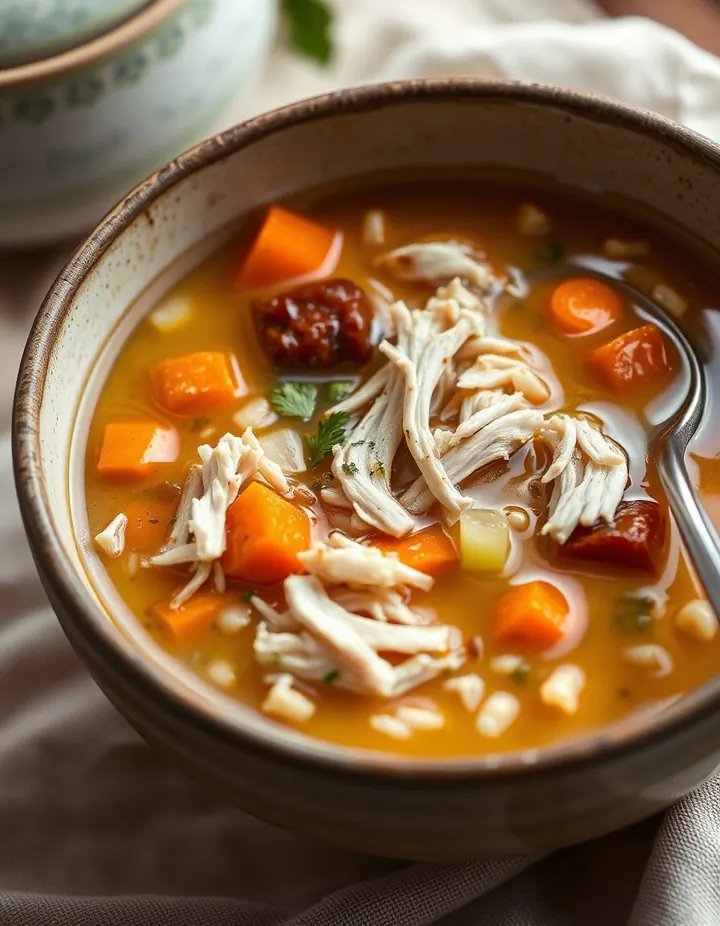 Turkey Soup71 recipes
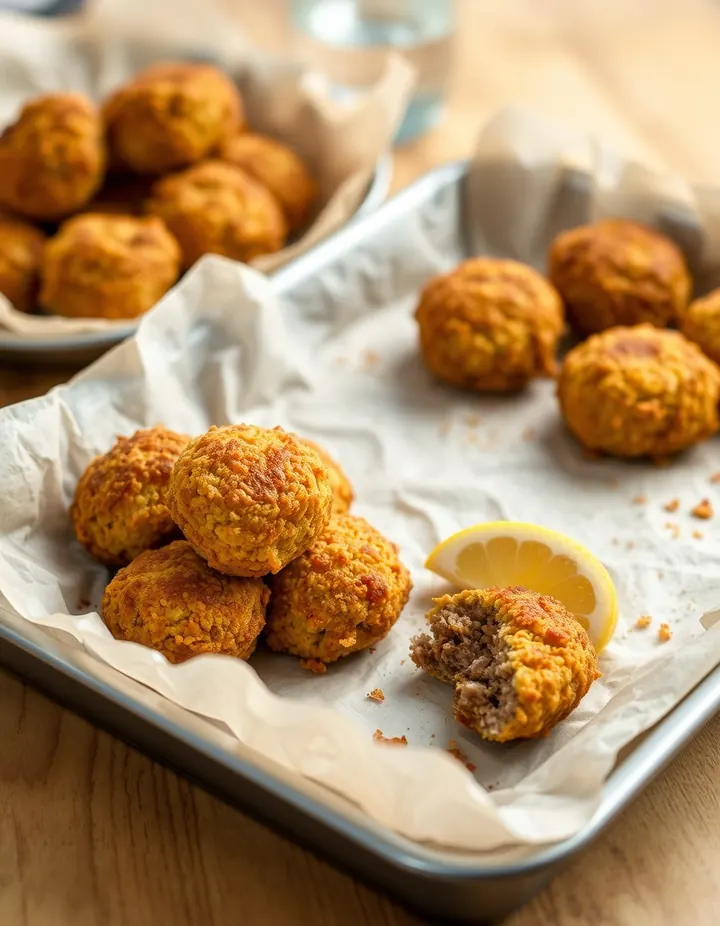 Meat Croquettes52 recipes
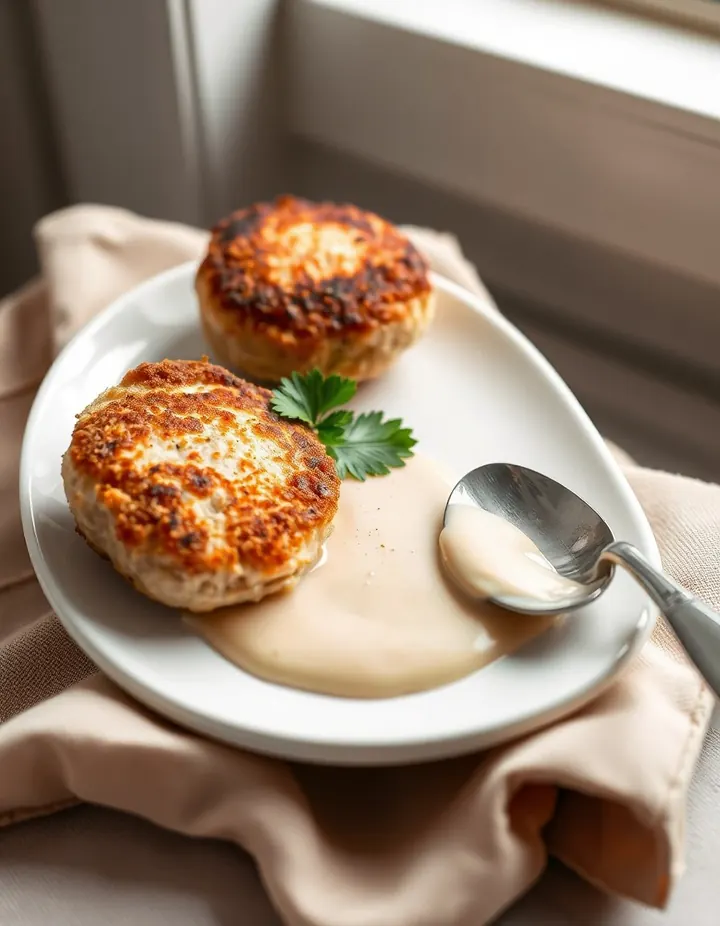 Veal Patties50 recipes
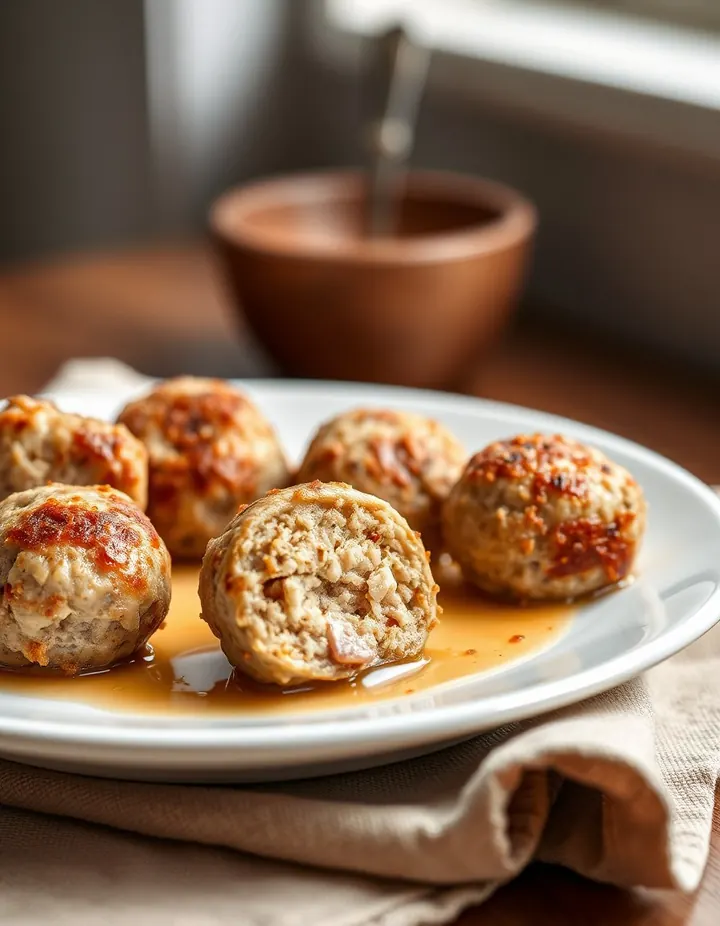 Meatballs37 recipes
The free Flavor Lab newsletter: one surprising pairing a week and the molecular reason it works, in 60 seconds. No spam, unsubscribe anytime.
Prefer an account? Create a free account to save pairings and unlock the full chemistry.