Why it works: Parsley and thyme match in chemistry and in kitchens. They rank in the top 1% of all ingredient pairs, and cooks put them together in 9,057 recipes. Both carry cuminaldehyde, which smells Spicy, cumin. The science ↓
Endive Soup
Ingredients
Directions
Make the stock
Cut the veal into pieces.
Clean the giblets.
Place the veal and giblets in a large pot with about 2 quarts of water and 1 teaspoon of salt.
Bring to a boil.
Skim off any foam.
Peel the onion and insert the cloves.
Peel or scrape the turnip and carrot.
Add the turnip, carrot, and bouquet‑garni to the pot.
Boil for about 1½ hours.
Strain the stock.
Prepare the endive
Trim, wash, and drain the endives.
Cut the endives into fine shreds.
Blanch the shreds and drain again.
Melt 1 oz of butter in a pan.
Add the endives and stir over heat for 5 minutes.
Moisten with some stock and cook until tender.
Finish the soup
Add the cooked endives to the prepared stock.
Bring the soup to a boil.
Melt the remaining butter in another pan.
Stir in the flour and cook briefly.
Moisten with a little cold milk.
Pour this mixture into the soup and cook a little longer.
Pass the soup through a fine sieve back into the pot.
Season with salt, pepper, nutmeg, ground mace, and paprika.
In a soup tureen, combine the cream and egg yolks, beating well.
Gradually pour the boiling soup into the tureen.
The soup is now ready to serve.
Transcribed from a scanned cookbook and modernised for today's kitchens. Where the book gave no heat or time, or said "a moderate oven", the temperatures and times here may be modern equivalents rather than the book's own figures.
Explore the science
The flavor team
The pairs that carry this dish. Each one is judged two ways: how much their aromas overlap, and how often cooks already put them together.
-
Parsley + thymetop 1% of all pairsSmell alikestrongCooked together9,057 recipes
Shared aroma: cuminaldehyde (Spicy, cumin).
-
Carrot + parsleytop 1% of all pairsSmell alikestrongCooked together8,053 recipes
Shared aroma: 2,4-decadienal (seaweed).
-
Turnip + endivetop 1% of all pairsSmell alikestrongCooked together65 recipes
Shared aroma: coumarin (sweet, hay).
-
Turnip + carrottop 1% of all pairsSmell alikestrongCooked together8,002 recipes
Shared aroma: coumarin (sweet, hay).
-
Clove + thymetop 2% of all pairsSmell alikestrongCooked together4,108 recipes
Shared aroma: cuminaldehyde (Spicy, cumin).
Ranks compare each pair with 20,000 random ingredient pairs on CompKitchen. How we score pairs
What each ingredient does
- Endive
- Forms the main body of the soup and gives it its mild, slightly bitter flavour.
- Butter
- Carries the endive during cooking and enriches the flavour of the soup.
- Flour
- Cooked with butter and thickens the soup as it is added.
- Egg yolks
- Combined with cream in the tureen to enrich and thicken the soup.
- Cream
- Adds richness and body, softening the soup's texture when combined with the yolks.
- Veal knuckle
- Releases flavour and body into the stock during long simmering.
The step that matters
Adding the boiling soup to the egg yolks and cream. Pouring boiling soup too quickly into the yolks can scramble them. Adding it gradually while beating warms the yolks slowly so the soup thickens smoothly.
Swap the onion
How well each one fits the dish's main ingredients (veal, clove, turnip, carrot, parsley, thyme, endive):
- Parsnipfits better
- Leekfits better
- Shallotfits better
- Onionthe original
Fit is the average pairing score against veal, clove, turnip, carrot, parsley, thyme, endive. Candidates are from the same food group and used in at least 100 recipes.
“What each ingredient does” and “The step that matters” were written by Claude from this recipe’s own method and reviewed in samples by CompKitchen.
You might also like
 Carrot Soup134 recipes
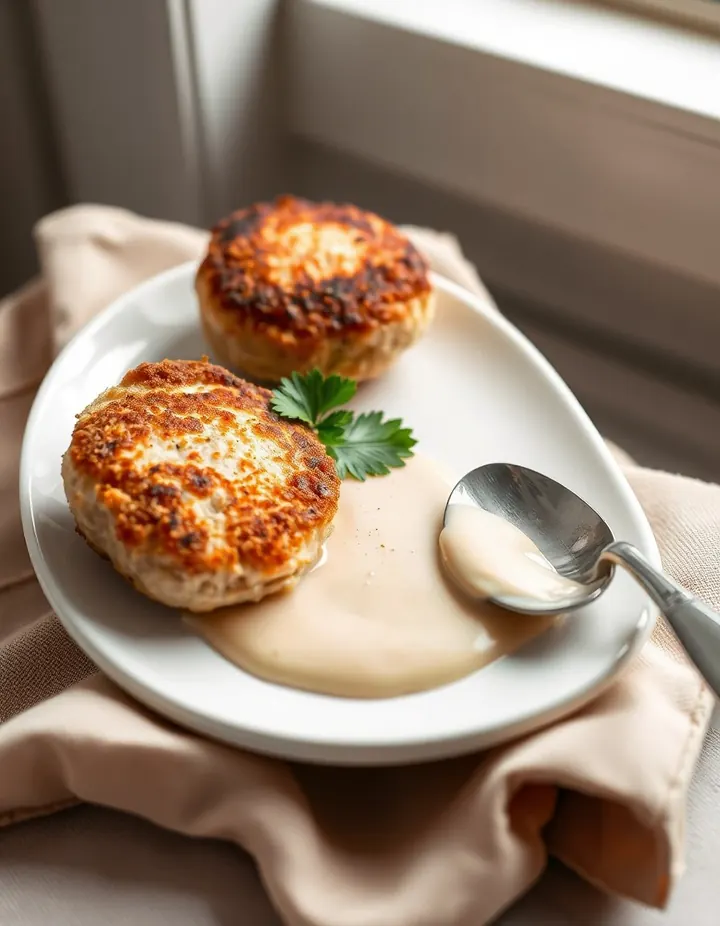 Veal Patties50 recipes
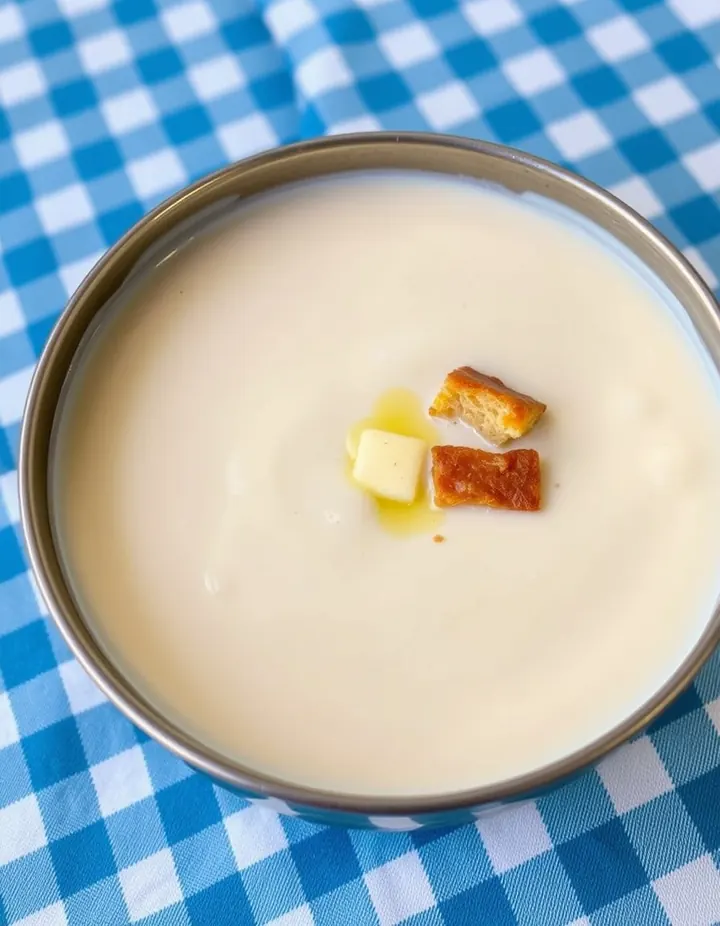 Turnip Soup43 recipes
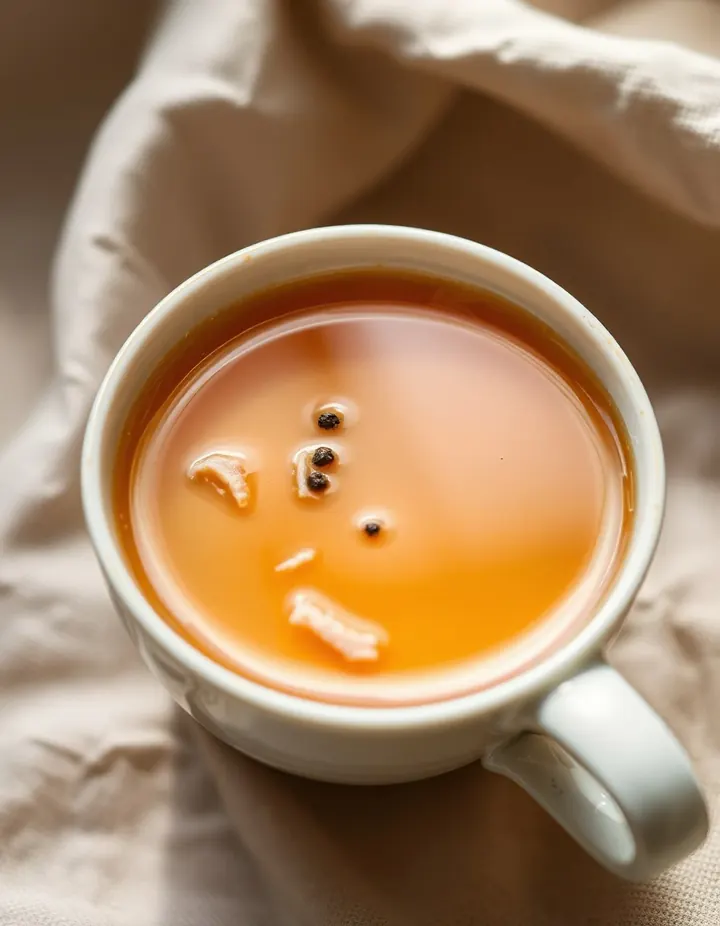 Beef, Mutton, or Veal Broth6 recipes
The free Flavor Lab newsletter: one surprising pairing a week and the molecular reason it works, in 60 seconds. No spam, unsubscribe anytime.
Prefer an account? Create a free account to save pairings and unlock the full chemistry.