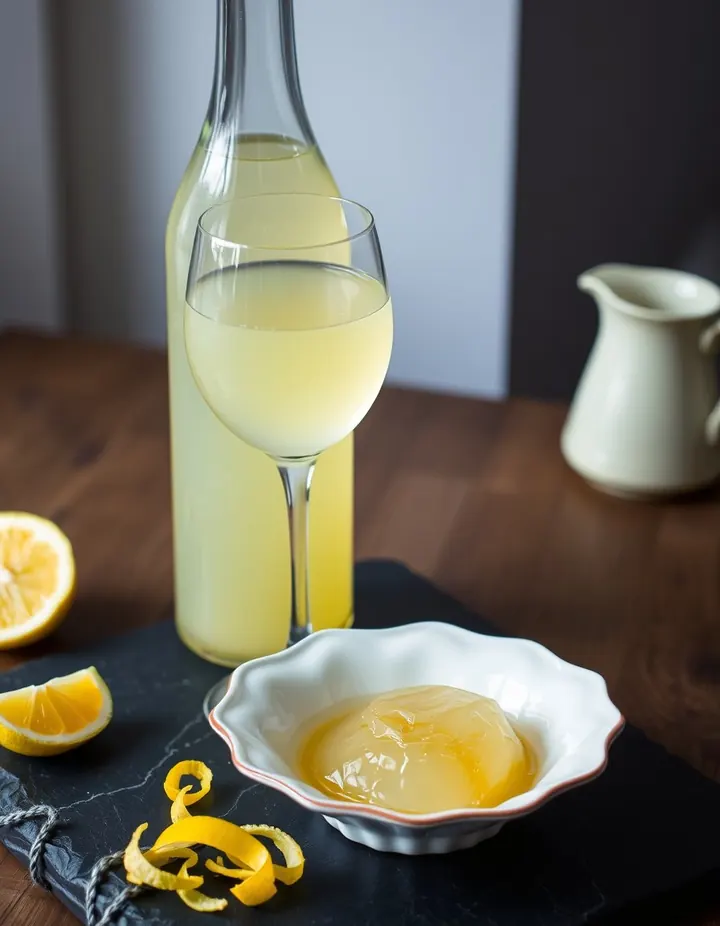
Why it works: Lemon and sugar are a kitchen classic. They rank in the top 18% of all ingredient pairs, and cooks put them together in 53,532 recipes. Both carry 2-nonenal, which smells fatty, green. The science ↓
Lemon Wine
Ingredients
Directions
Prepare the must
Remove the rinds of 5 lemons in thin strips and place them in a wooden tub or earthenware bowl.
Boil the sugar and water together for 1 hour, then pour the syrup over the lemon peel.
When cool, add the strained juice of the 10 lemons and stir in the yeast.
Let the vessel stand for 48 hours.
Ferment and age
At the end of this time, strain into a cask, filling it completely.
Bung loosely until fermentation ceases, then tighten the bung.
Allow the cask to remain undisturbed for about 6 months before racking the wine off into bottles.
Transcribed from a scanned cookbook and modernised for today's kitchens. Where the book gave no heat or time, or said "a moderate oven", the temperatures and times here may be modern equivalents rather than the book's own figures.
Photo for illustrative purposes only · Contact us to use it
Explore the science
The flavor team
The pairs that carry this dish. Each one is judged two ways: how much their aromas overlap, and how often cooks already put them together.
-
Lemon + sugartop 18% of all pairsSmell alikelowCooked together53,532 recipes
Shared aroma: 2-nonenal (fatty, green).
Lemon and sugar barely smell alike, yet cooks put them together in 53,532 recipes: they work on texture and structure more than aroma.
Ranks compare each pair with 20,000 random ingredient pairs on CompKitchen. How we score pairs
What each ingredient does
- Lemons
- Supply the juice and peel that provide the wine's acidity and lemon aroma.
- Loaf sugar
- Provides the sugar that yeast converts to alcohol during fermentation.
- Brewer’s yeast
- Converts the sugars into alcohol and carbon dioxide to ferment the wine.
The step that matters
Bung loosely until fermentation ceases. A tight bung too early can trap carbon dioxide from active fermentation and build dangerous pressure in the cask. Keeping it loose lets gas escape until fermentation finishes, then sealing it protects the wine from air.
“What each ingredient does” and “The step that matters” were written by Claude from this recipe’s own method and reviewed in samples by CompKitchen.
More lemon wine recipes
You might also like
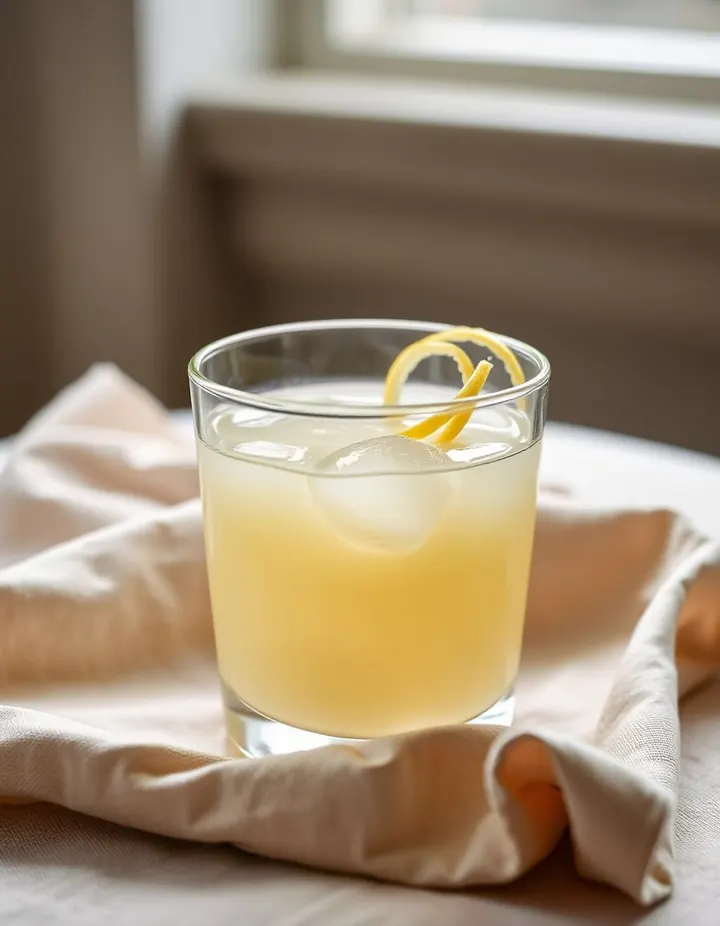 Lemon Whey33 recipes
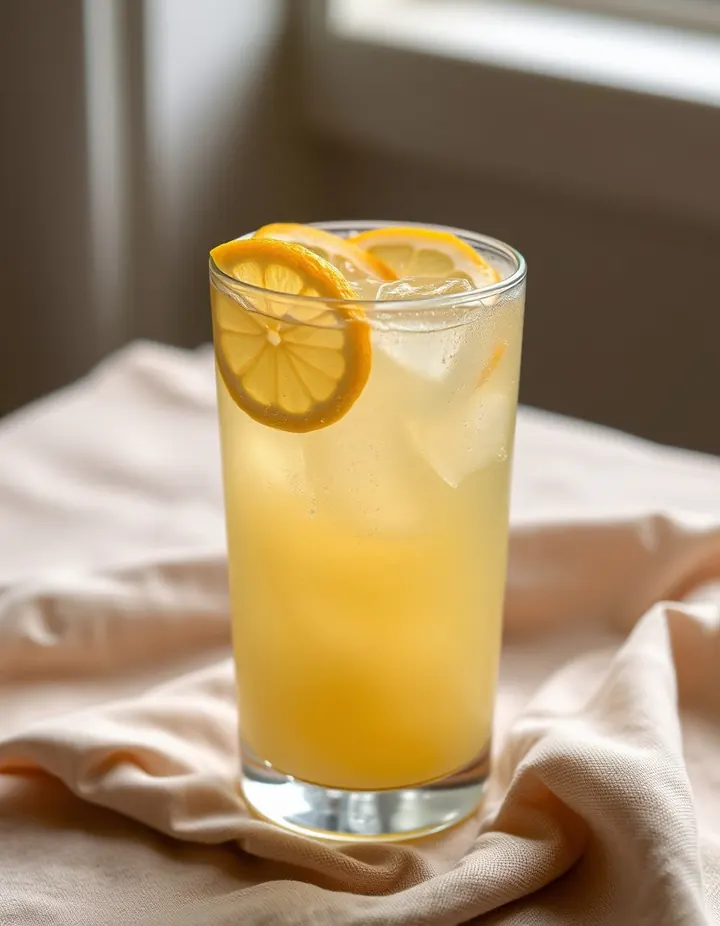 Lemon Squash10 recipes
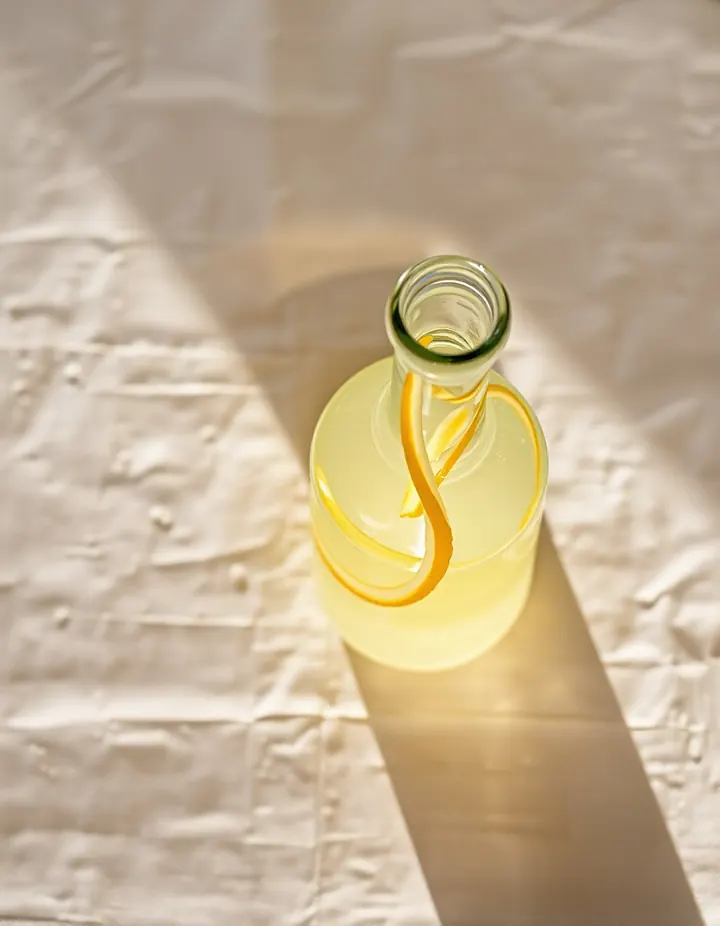 Lemon Essence8 recipes
 Vegetable Soup350 recipes
The free Flavor Lab newsletter: one surprising pairing a week and the molecular reason it works, in 60 seconds. No spam, unsubscribe anytime.
Prefer an account? Create a free account to save pairings and unlock the full chemistry.