Why it works: Clove and thyme match in chemistry and in kitchens. They rank in the top 2% of all ingredient pairs, and cooks put them together in 4,108 recipes. Both carry cuminaldehyde, which smells Spicy, cumin. The science ↓
Boiled Ham
Ingredients
Directions
Prepare
Check the ham for freshness by inserting a sharp knife near the bone; if greasy and smells bad, discard it.
Wash the ham thoroughly, removing any rusty parts.
Soak the ham in cold water and vinegar for 8 to 12 hours.
Cook
Cover the ham with cold water and bring to a boil, skimming off any foam.
Add a little vinegar, mace, cloves, thyme, bay leaves, and vegetables for flavor.
Simmer gently for 4 to 6 hours, depending on the weight of the ham.
Allow the ham to cool in the cooking water, then remove it once cold.
Finish and serve
Remove the skin and sprinkle with bread crumbs.
Place a paper frill around the knuckle and serve.
Transcribed from a scanned cookbook and modernised for today's kitchens. Where the book gave no heat or time, or said "a moderate oven", the temperatures and times here may be modern equivalents rather than the book's own figures.
Explore the science
The flavor team
The pairs that carry this dish. Each one is judged two ways: how much their aromas overlap, and how often cooks already put them together.
-
Clove + thymetop 2% of all pairsSmell alikestrongCooked together4,108 recipes
Shared aroma: cuminaldehyde (Spicy, cumin).
-
Mace + clovetop 6% of all pairsSmell alikelowCooked together8,400 recipes
Shared aroma: methyleugenol (clove, spice).
-
Ham + breadtop 7% of all pairsSmell alikemoderateCooked together2,536 recipes
Shared aroma: 2-acetyl-1-pyrroline (popcorn, roasted).
-
Mace + thymetop 14% of all pairsSmell alikemoderateCooked together2,113 recipes
Shared aroma: alpha-pinene (pine, turpentine).
-
Vinegar + clovetop 15% of all pairsSmell alikemoderateCooked together10,386 recipes
Shared aroma: isobutyraldehyde (malty, green).
Ranks compare each pair with 20,000 random ingredient pairs on CompKitchen. How we score pairs
What each ingredient does
- Ham
- Is the main protein, becoming tender and sliceable through long, gentle simmering.
- Vinegar
- Acidity helps loosen the surface and adds a subtle tang to the soak and cooking liquid.
- Bay leaves
- Add a gentle aromatic herbal note to the cooking liquid.
- Cloves
- Contribute a warm, pungent aroma to the cooking liquid.
- Mace
- Adds a warm, delicate spice aroma to the cooking liquid.
- Bread crumbs
- Form a light coating on the skinned surface, adding texture and a dry crust.
The step that matters
Simmer gently. A gentle simmer keeps the ham tender and prevents the muscle fibres from tightening and toughening. Vigorous boiling can make the meat dry and stringy and break up the surface.
Swap the mace
How well each one fits the dish's main ingredients (ham, vinegar, clove, thyme, bread):
- Marjoramfits better
- Allspicefits better
- Tarragonfits better
- Macethe original
Fit is the average pairing score against ham, vinegar, clove, thyme, bread. Candidates are from the same food group and used in at least 100 recipes.
“What each ingredient does” and “The step that matters” were written by Claude from this recipe’s own method and reviewed in samples by CompKitchen.
More boiled ham recipes
You might also like
 Brown Bread461 recipes
 White Bread80 recipes
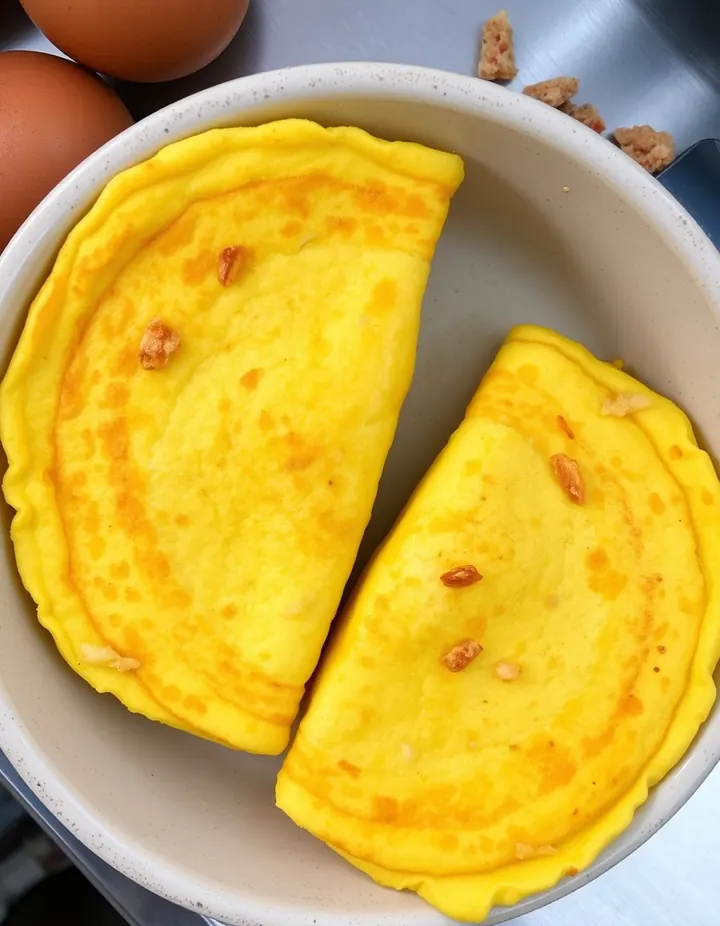 Bread Omelette60 recipes
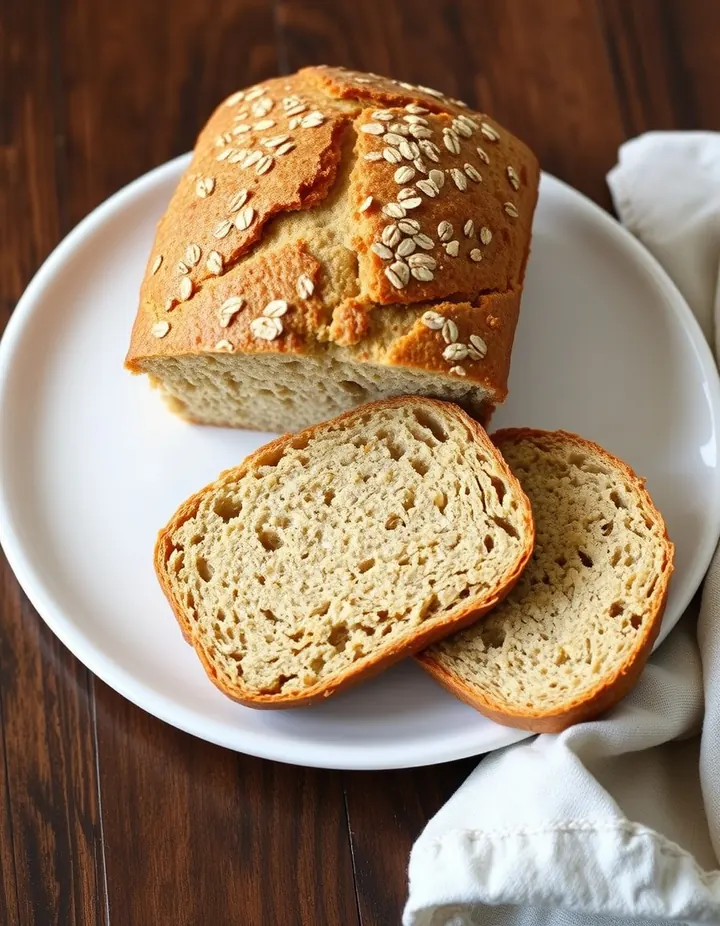 Oatmeal Bread51 recipes
The free Flavor Lab newsletter: one surprising pairing a week and the molecular reason it works, in 60 seconds. No spam, unsubscribe anytime.
Prefer an account? Create a free account to save pairings and unlock the full chemistry.