Why it works: Venison and flour work together. They rank in the top 28% of all ingredient pairs, and cooks put them together in 667 recipes. Both carry phenylacetaldehyde, which smells hawthorne, honey. The science ↓
Venison Haunch Of, Roast
Ingredients
Directions
Hang and prepare
Hang the haunch of venison in a cool place for up to 2 weeks in summer or 1 month in autumn.
Wipe it daily with flour and dust with pepper.
When ready to prepare, wash the venison with warm water and dry it with a clean cloth.
Protect and roast
Cover the haunch with a sheet of buttered paper, then spread a paste of flour and water half an inch thick over it. Cover this with a stronger paper and tie it securely with string.
Roast the venison in front of a clear fire for about 3.5 hours.
Brown and serve
A quarter hour before serving, remove the paper and paste, flour the meat, and move it closer to the fire to brown.
Transcribed from a scanned cookbook and modernised for today's kitchens. Where the book gave no heat or time, or said "a moderate oven", the temperatures and times here may be modern equivalents rather than the book's own figures.
Explore the science
The flavor team
The pairs that carry this dish. Each one is judged two ways: how much their aromas overlap, and how often cooks already put them together.
-
Venison + flourtop 28% of all pairsSmell alikelowCooked together667 recipes
Shared aroma: phenylacetaldehyde (hawthorne, honey).
Ranks compare each pair with 20,000 random ingredient pairs on CompKitchen. How we score pairs
What each ingredient does
- Venison haunch
- Provides the lean, dense meat that the long roast turns tender and flavorful.
- Flour
- Forms a protective paste with water that shields the meat from drying and burning during roasting.
- Buttered paper
- Sits against the meat under the paste, keeping the surface moist while the paste protects it.
- Water
- Mixed with flour to make the paste that insulates and moistens the meat.
The step that matters
Moving the haunch closer to the fire to brown. Browning depends on high surface heat, and the paper and paste must come off first so the meat can caramelize. Flouring the surface helps it brown evenly. Timing this last quarter hour matters, because prolonged exposure can dry or scorch the outside.
“What each ingredient does” and “The step that matters” were written by Claude from this recipe’s own method and reviewed in samples by CompKitchen.
You might also like
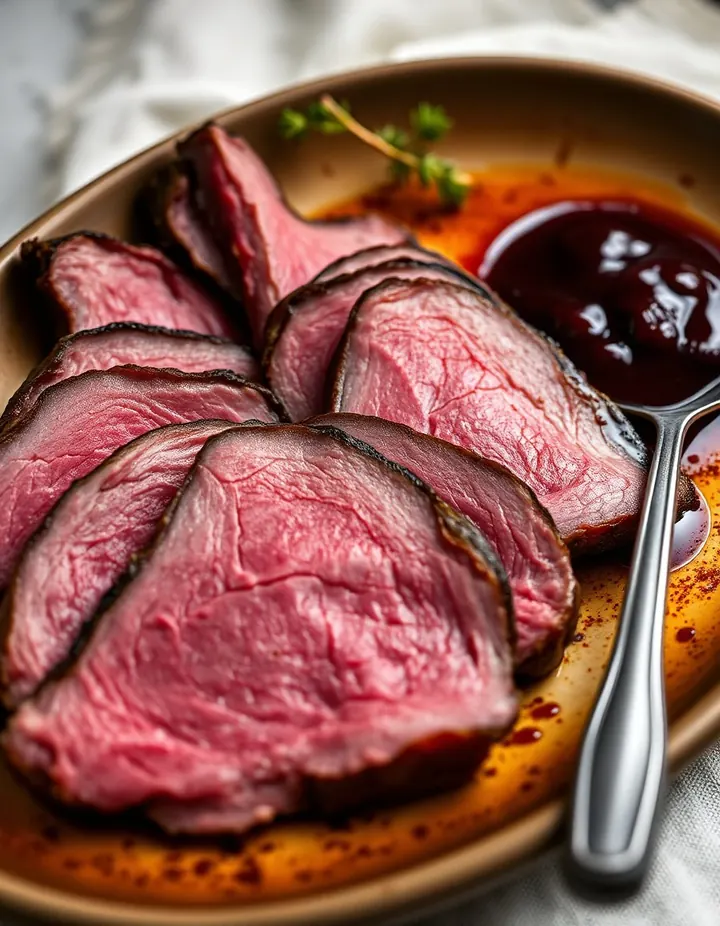 Roast Venison20 recipes
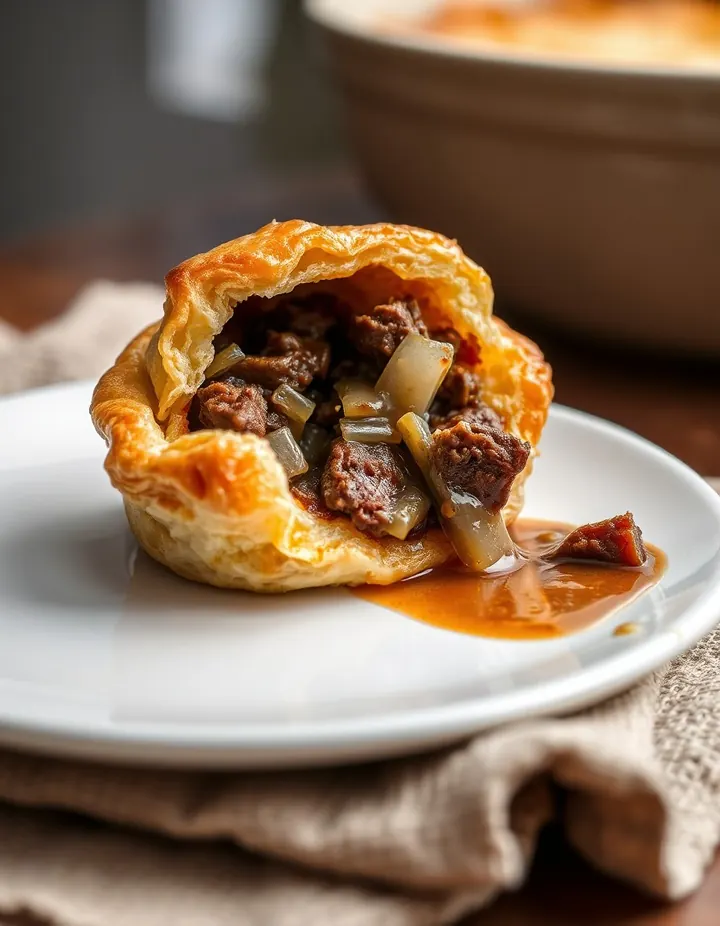 Venison Pasty7 recipes
 Tomato Soup526 recipes
 Brown Bread461 recipes
The free Flavor Lab newsletter: one surprising pairing a week and the molecular reason it works, in 60 seconds. No spam, unsubscribe anytime.
Prefer an account? Create a free account to save pairings and unlock the full chemistry.