Why it works: Butter and cheese are a kitchen classic. They rank in the top 8% of all ingredient pairs, and cooks put them together in 7,962 recipes. Both carry delta-dodecalactone, which smells sweet, creamy. The science ↓
Eggs and Omelettes
Ingredients
Directions
Prepare
Grease a frying pan with butter and heat until melted.
Beat the eggs with water, salt, and pepper.
Cook the omelette
Pour the mixture into the pan.
Shake the pan gently.
Run a greased knife around the edges.
When set, slide the omelette onto a plate.
Add fines herbes or cheese in the center.
Fold into thirds.
Serve immediately.
Transcribed from a scanned cookbook and modernised for today's kitchens. Where the book gave no heat or time, or said "a moderate oven", the temperatures and times here may be modern equivalents rather than the book's own figures.
Explore the science
The flavor team
The pairs that carry this dish. Each one is judged two ways: how much their aromas overlap, and how often cooks already put them together.
-
Butter + cheesetop 8% of all pairsSmell alikemoderateCooked together7,962 recipes
Shared aroma: delta-dodecalactone (sweet, creamy).
-
Butter + eggtop 17% of all pairsSmell alikemoderateCooked together118,967 recipes
Shared aroma: decanal (soap, orange peel).
-
Pepper + cheesetop 18% of all pairsSmell alikemoderateCooked together7,861 recipes
Shared aroma: 2-isopropyl-3-methoxypyrazine (earthy, pea).
-
Butter + peppertop 21% of all pairsSmell alikemoderateCooked together85,593 recipes
Shared aroma: trans-2-nonenal (cardboard, fatty).
-
Egg + cheesetop 28% of all pairsSmell alikemoderateCooked together6,253 recipes
Shared aroma: 2-nonenal (fatty, green).
Ranks compare each pair with 20,000 random ingredient pairs on CompKitchen. How we score pairs
What each ingredient does
- Eggs
- Set into a tender structure when heated, forming the body of the omelette.
- Butter
- Greases the pan so the omelette releases cleanly and adds richness.
- Water
- Adds moisture that turns to steam, keeping the omelette light and tender.
The step that matters
Shake the pan gently. Shaking keeps the egg moving so uncooked liquid flows to the hot surface, giving small, even curds. Stirring or overcooking makes the omelette tough and dry.
“What each ingredient does” and “The step that matters” were written by Claude from this recipe’s own method and reviewed in samples by CompKitchen.
More omelette recipes
You might also like
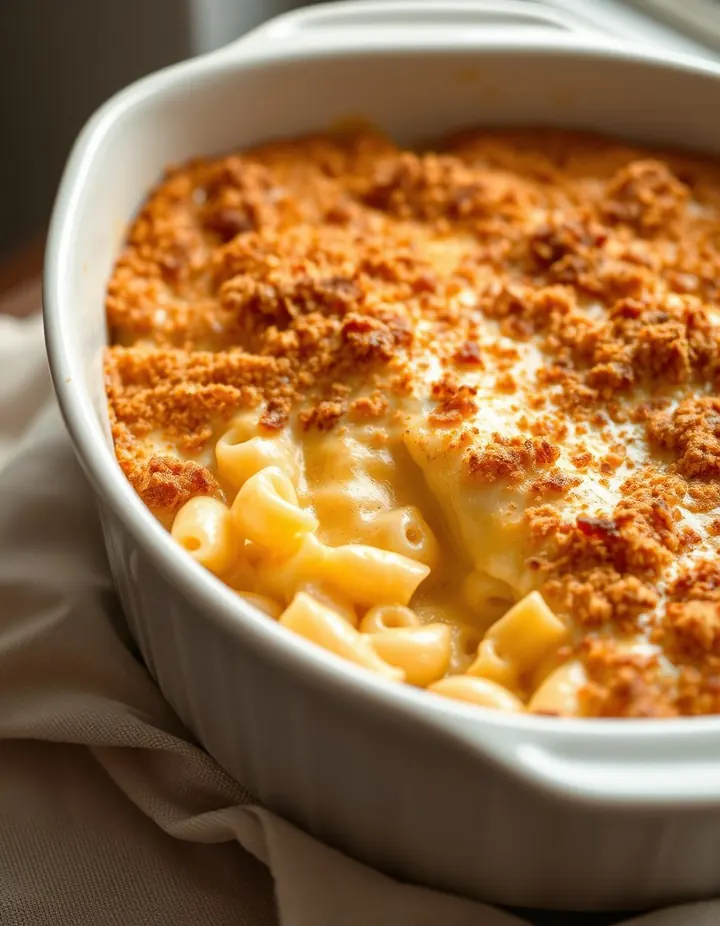 Macaroni and Cheese102 recipes
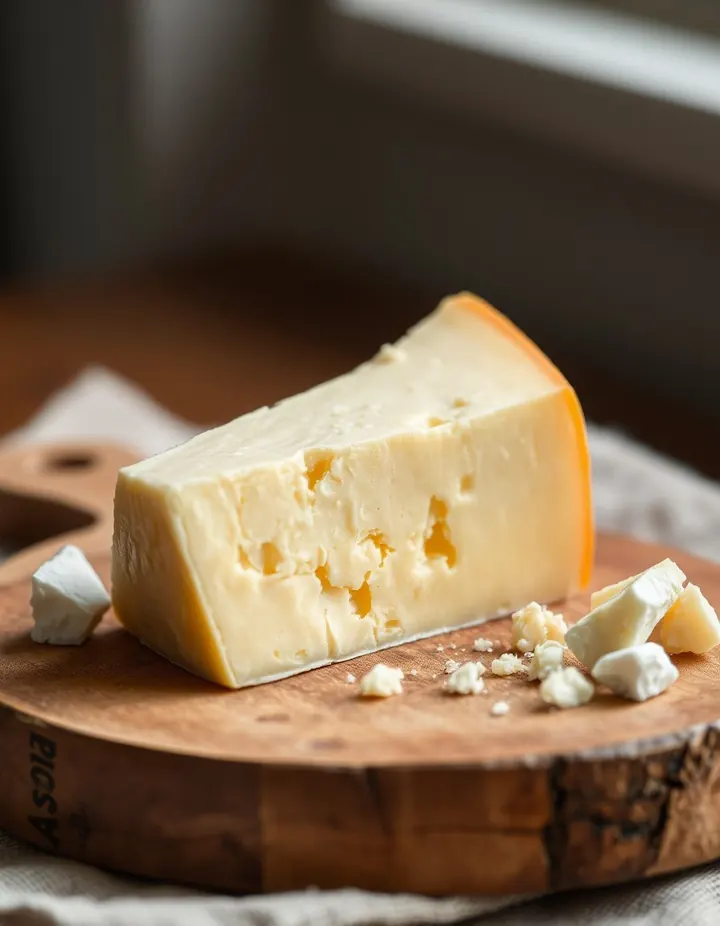 Cheese Making50 recipes
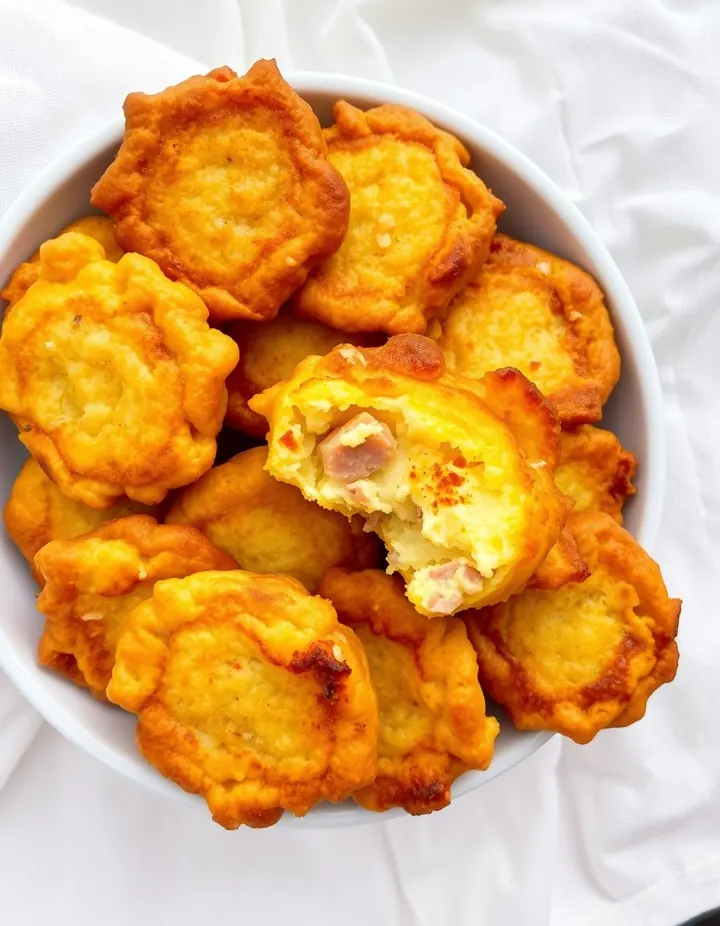 Cheese Fritters34 recipes
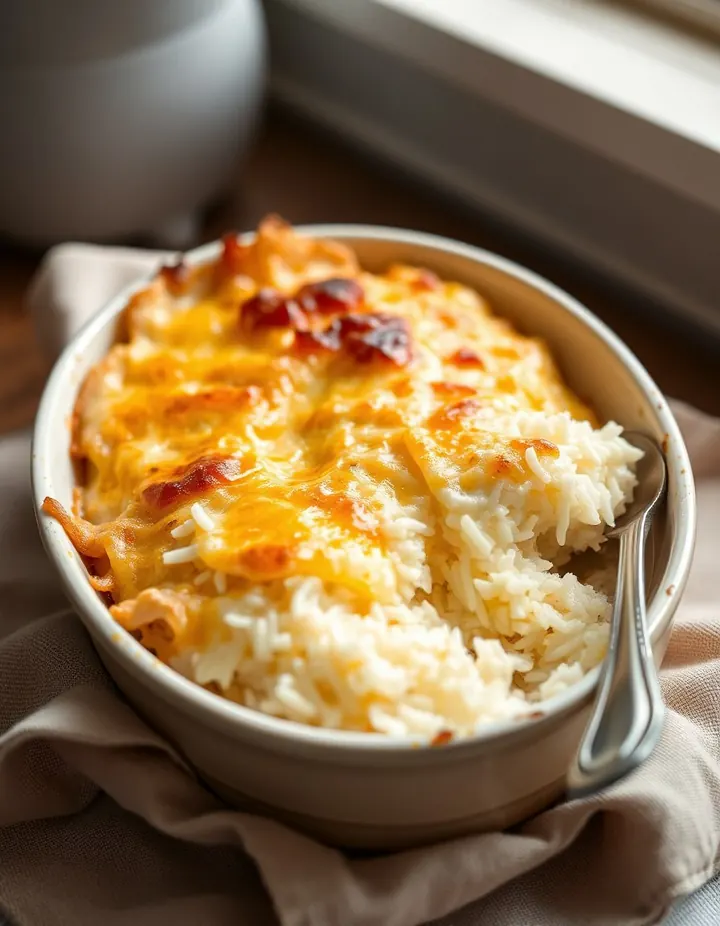 Rice and Cheese Casserole23 recipes
The free Flavor Lab newsletter: one surprising pairing a week and the molecular reason it works, in 60 seconds. No spam, unsubscribe anytime.
Prefer an account? Create a free account to save pairings and unlock the full chemistry.