Why it works: Apricot and apple match in chemistry and in kitchens. They rank in the top 2% of all ingredient pairs, and cooks put them together in 777 recipes. Both carry gamma-undecalactone, which smells peach, sweet. The science ↓
Sweet Entremets
Ingredients
Directions
The book gives no oven temperature. The 350°F (175°C) in the steps was added when the recipe was transcribed, as a starting point.
Prepare the pastry
Preheat the oven to 350°F (175°C).
Prick the pastry with a knife.
Bake the pastry until dry.
Layer the cake
Once cooled, place the large pastry sheet on a 9-inch round plate.
Spread apricot marmalade over the pastry.
Layer with another pastry sheet.
Spread currant jelly on top.
Add a third pastry sheet.
Spread apple jelly.
Ensure no fruit is on the edges of the pastry.
Top and bake
Whip the egg whites.
Mix the egg whites with sifted sugar.
Quickly cover the cake with the egg-white mixture.
Sprinkle crushed sugar on top.
Glaze the top.
Decorate the edge with small meringues.
Add an ornament in the center secured with egg white.
Sugar the entire top.
Return the pastry to the oven until golden.
Fill and finish
Once cooled, fill the inside with whipped cream.
Place the top pastry sheet.
Transcribed from a scanned cookbook and modernised for today's kitchens. Where the book gave no heat or time, or said "a moderate oven", the temperatures and times here may be modern equivalents rather than the book's own figures.
Explore the science
The flavor team
The pairs that carry this dish. Each one is judged two ways: how much their aromas overlap, and how often cooks already put them together.
-
Apricot + appletop 2% of all pairsSmell alikestrongCooked together777 recipes
Shared aroma: gamma-undecalactone (peach, sweet).
-
Sugar + creamtop 9% of all pairsSmell alikemoderateCooked together43,450 recipes
Shared aroma: 2,3-butanedione (butter, sweet).
-
Currant + appletop 12% of all pairsSmell alikelowCooked together1,918 recipes
Shared aroma: isoamyl acetate (banana, pear).
-
Apricot + curranttop 15% of all pairsSmell alikelowCooked together188 recipes
Shared aroma: isoamyl acetate (banana, pear).
-
Apple + sugartop 18% of all pairsSmell alikelowCooked together16,478 recipes
Shared aroma: beta-damascenone (apple, rose).
Apple and sugar barely smell alike, yet cooks put them together in 16,478 recipes: they work on texture and structure more than aroma.
Ranks compare each pair with 20,000 random ingredient pairs on CompKitchen. How we score pairs
What each ingredient does
- Puff pastry
- Bakes dry and crisp, forming the flat, layered structure of the cake.
- Apricot marmalade
- Adds sweetness and moisture between the pastry layers.
- Currant jelly
- Adds sweet-tart fruit flavour and moisture between the layers.
- Egg whites
- Whipped into a foam that sets and browns in the oven to form the topping.
- Sifted sugar
- Dissolves into the whipped egg whites, giving a glossy, stable meringue with sweetness.
- Whipped cream
- Adds moisture and richness to the filling inside the layers.
The step that matters
Return the pastry to the oven until golden. Egg white and sugar topping browns quickly and can scorch, so watch it closely. Sugar caramelises and darkens faster than the pastry sets, so colour and timing matter.
Swap the currant
How well each one fits the dish's main ingredients (apricot, apple, egg, sugar, cream):
- Vanillafits better
- Pearfits better
- Peachfits better
- Currantthe original
Fit is the average pairing score against apricot, apple, egg, sugar, cream. Candidates are from the same food group and used in at least 100 recipes.
“What each ingredient does” and “The step that matters” were written by Claude from this recipe’s own method and reviewed in samples by CompKitchen.
You might also like
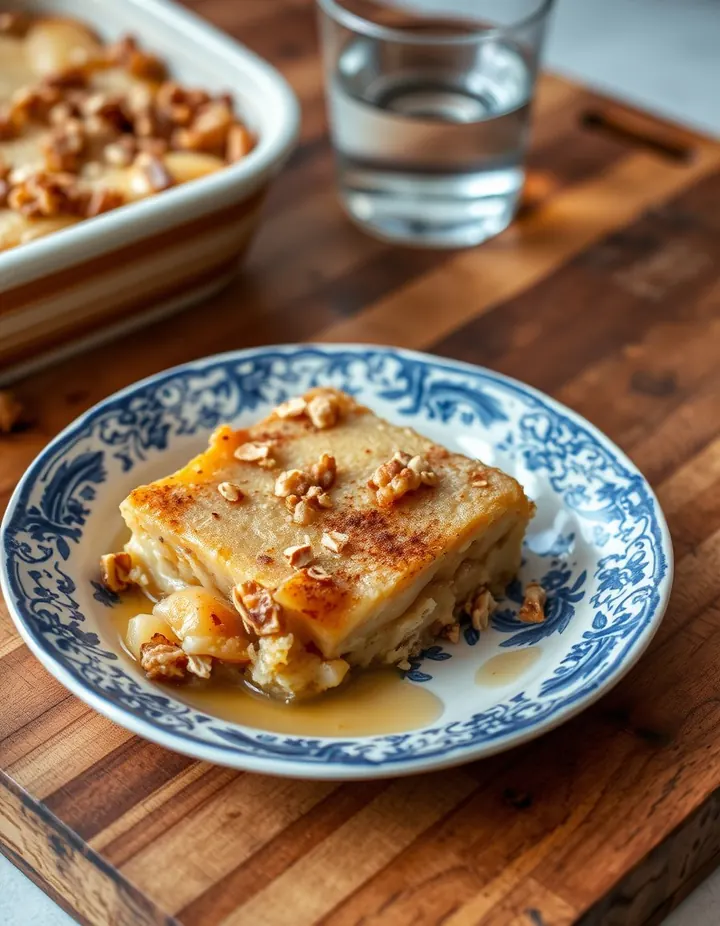 Apple Pudding256 recipes
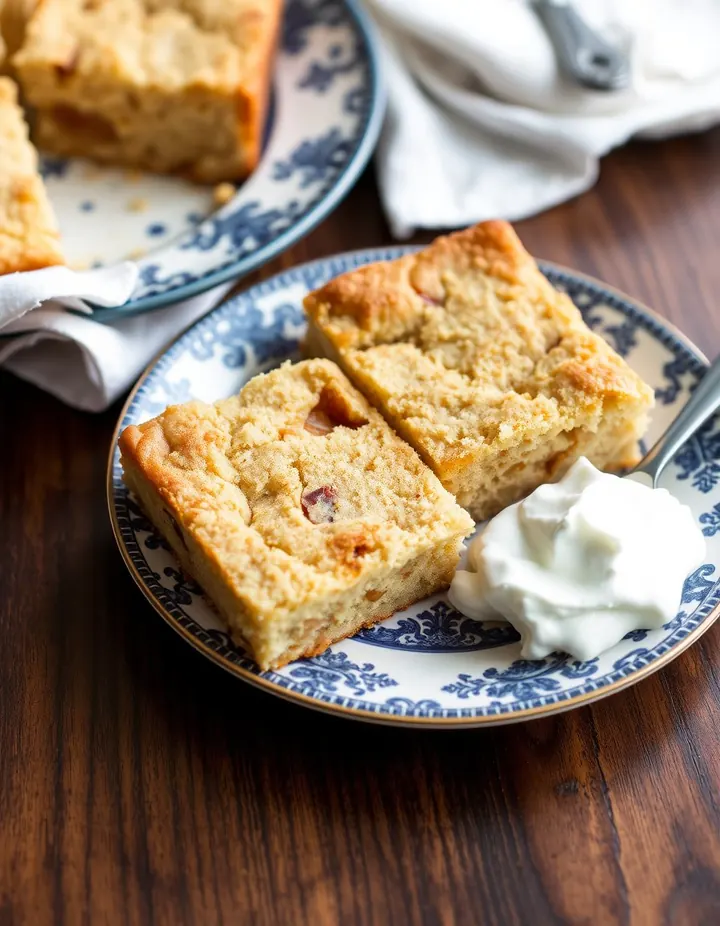 Apple Cake80 recipes
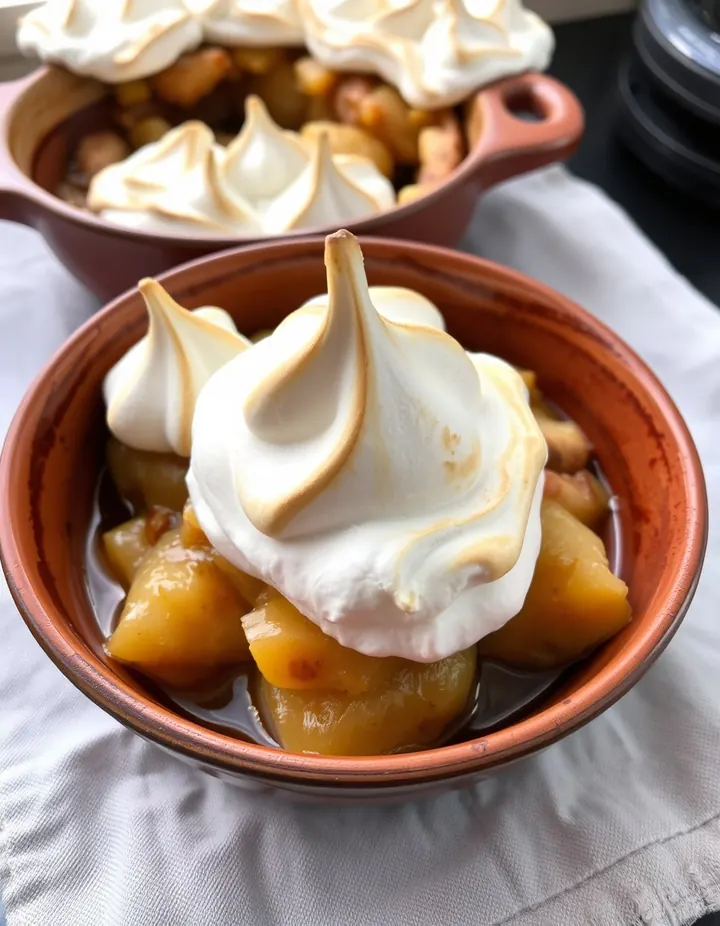 Apple Meringue75 recipes
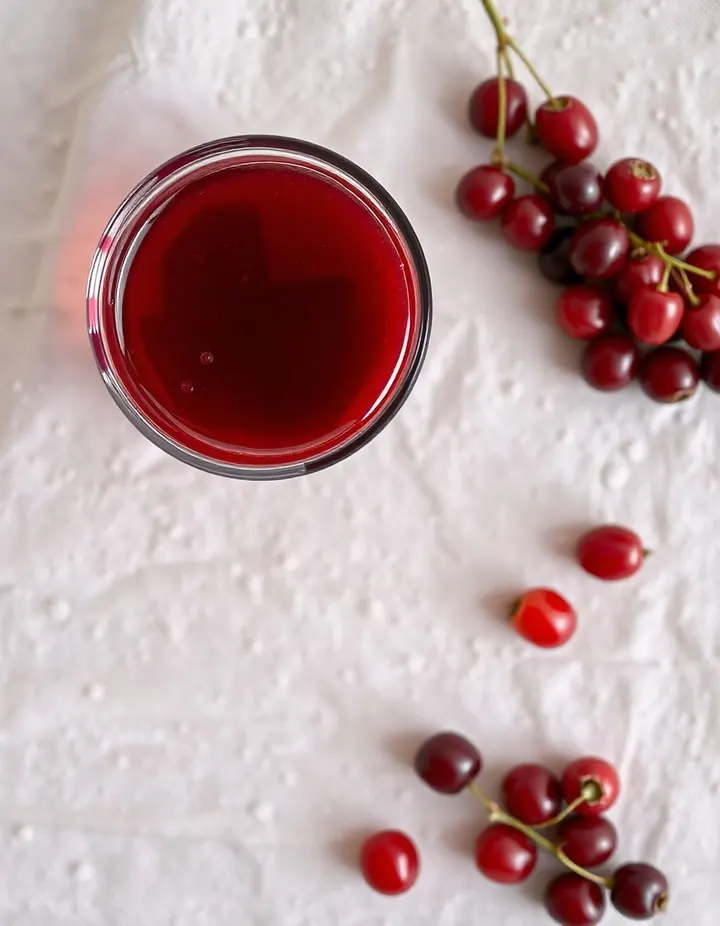 Red Currant Jelly65 recipes
The free Flavor Lab newsletter: one surprising pairing a week and the molecular reason it works, in 60 seconds. No spam, unsubscribe anytime.
Prefer an account? Create a free account to save pairings and unlock the full chemistry.