Why it works: Apricot and apple match in chemistry and in kitchens. They rank in the top 2% of all ingredient pairs, and 777 recipes mention both. Both carry gamma-undecalactone, which smells peach, sweet. The science ↓
The recipe
a dozen cakesIngredients
Contains: egg, milk, wheat (auto-detected from the ingredients and method; we can miss things, so check labels)
Directions
The book says “a sharp oven”. The 400°F (200°C) in the steps is the modern equivalent, not the book's own figure.
Prepare the pastry
Roll out two sheets of puff pastry to the size of half a sheet of foolscap paper.
Place one sheet on a baking sheet and spread it with apricot jam, apple marmalade, and lukewarm butter, leaving a ¼ inch border around the edges.
Moisten the edges and cover with the second sheet of pastry.
Lightly score the top with a knife to mark out a dozen cakes, dividing the width into four and the length into three.
Beat the egg yolk with a little water and brush it over the pastry.
Score the surface with a knife to create double rows of lines forming angles.
Bake and finish
Bake in a preheated oven at 400°F (200°C) until nearly done, then cover with paper.
Sprinkle with fine sugar and glaze before cooling on paper.
Cut into small cakes as marked.
Transcribed from a scanned cookbook and modernised for today's kitchens. Where the book gave no heat or time, or said "a moderate oven", the temperatures and times here may be modern equivalents rather than the book's own figures.
Explore the science
The flavor team
The pairs that carry this dish. Each one is judged two ways: how much aroma chemistry they share, and how many recipes mention both.
-
Apricot + appletop 2% of all pairsAroma overlapstrongMentioned together777 recipes
Shared aroma: gamma-undecalactone (peach, sweet).
-
Apple + buttertop 6% of all pairsAroma overlapstrongMentioned together8,692 recipes
Shared aroma: gamma-undecalactone (peach, sweet).
-
Apricot + buttertop 7% of all pairsAroma overlapstrongMentioned together1,456 recipes
Shared aroma: delta-dodecalactone (sweet, creamy).
-
Butter + eggtop 8% of all pairsAroma overlapstrongMentioned together118,511 recipes
Shared aroma: nonanal (fat, citrus).
-
Apple + sugartop 9% of all pairsAroma overlaplowMentioned together16,440 recipes
Shared aroma: beta-damascenone (apple, rose).
Apple and sugar share little aroma chemistry, yet 16,440 recipes mention both: they likely work on texture and structure more than aroma.
Ranks compare each pair with 20,000 random ingredient pairs on CompKitchen. How we score pairs
What each ingredient does
- Puff pastry
- Its layers of butter puff up in the oven, giving the cakes a light, flaky structure.
- Apricot jam
- Adds sweetness and fruity moisture that caramelises slightly on the surface during baking.
- Apple marmalade
- Adds acidity and fruit flavour that balances the sweetness of the jam.
- Butter
- Adds richness and flavour, and its fat helps the pastry layers separate and brown.
- Egg yolk
- Brushed on top, it promotes a glossy, golden browned surface.
The step that matters
Sealing the edges before adding the second sheet. Moistened edges bond the two pastry sheets so the filling stays inside. If the seal is weak, jam and butter can leak out and burn on the tray while the pastry does not rise evenly.
Flavor stand-ins for the apricot
How well each one fits the dish's main ingredients (apple, butter, egg, sugar):
- Vanillaabout as good a flavor fit
- Pearabout as good a flavor fit
- Peachabout as good a flavor fit
- Apricotthe original
Fit is the average pairing score against apple, butter, egg, sugar. Candidates are from the same food group and used in at least 100 recipes. This compares flavor only: it does not check the job the ingredient does in the dish (bulk, moisture, acidity, structure).
“What each ingredient does” and “The step that matters” were written by Claude from this recipe’s own method and reviewed in samples by CompKitchen.
You might also like
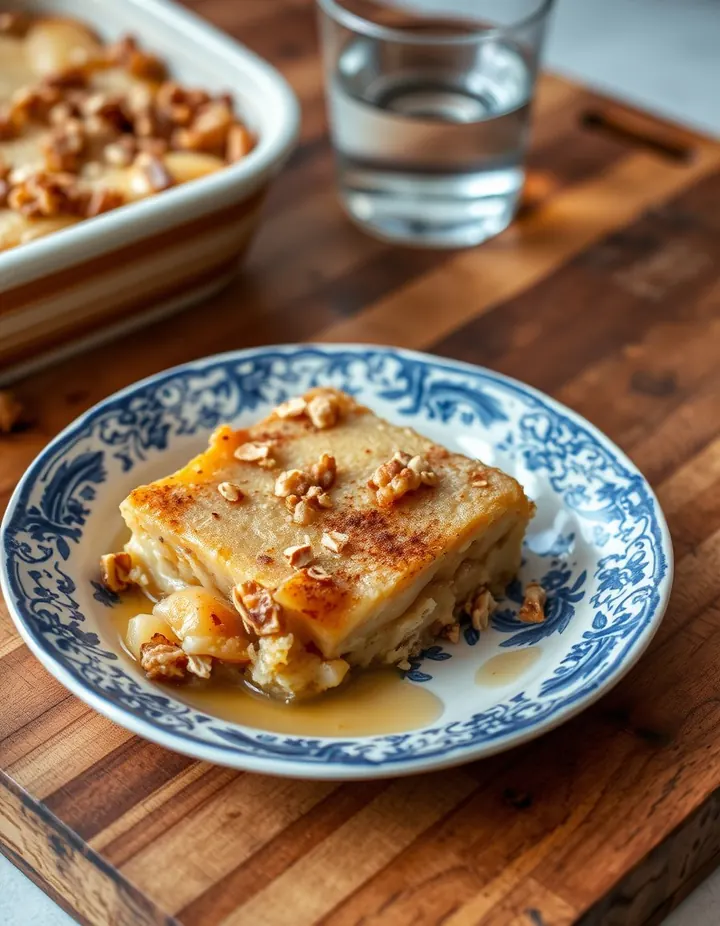 Illustration
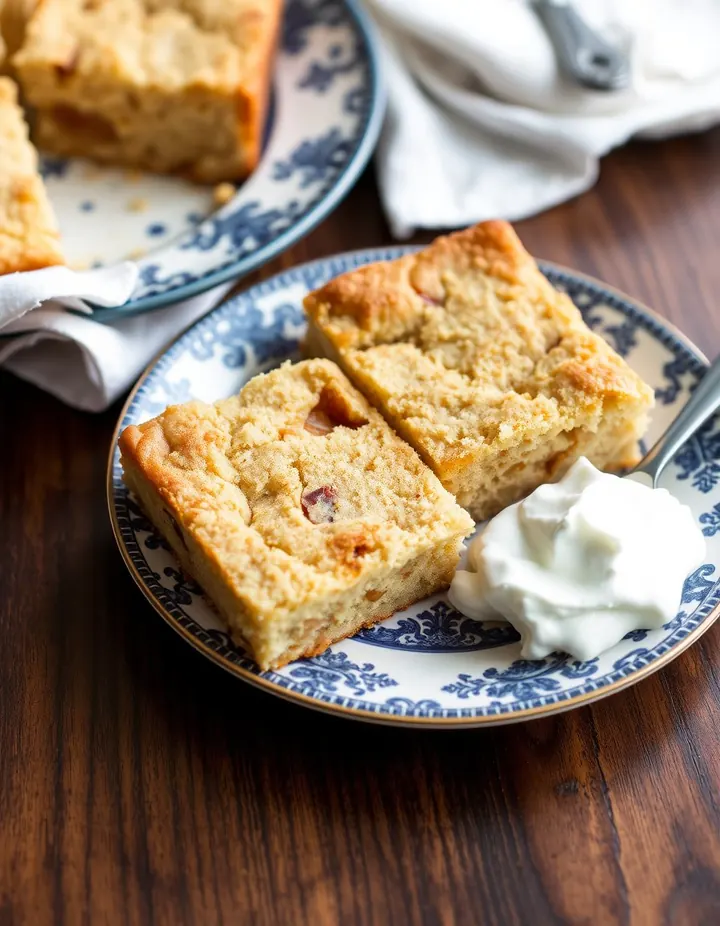 Illustration
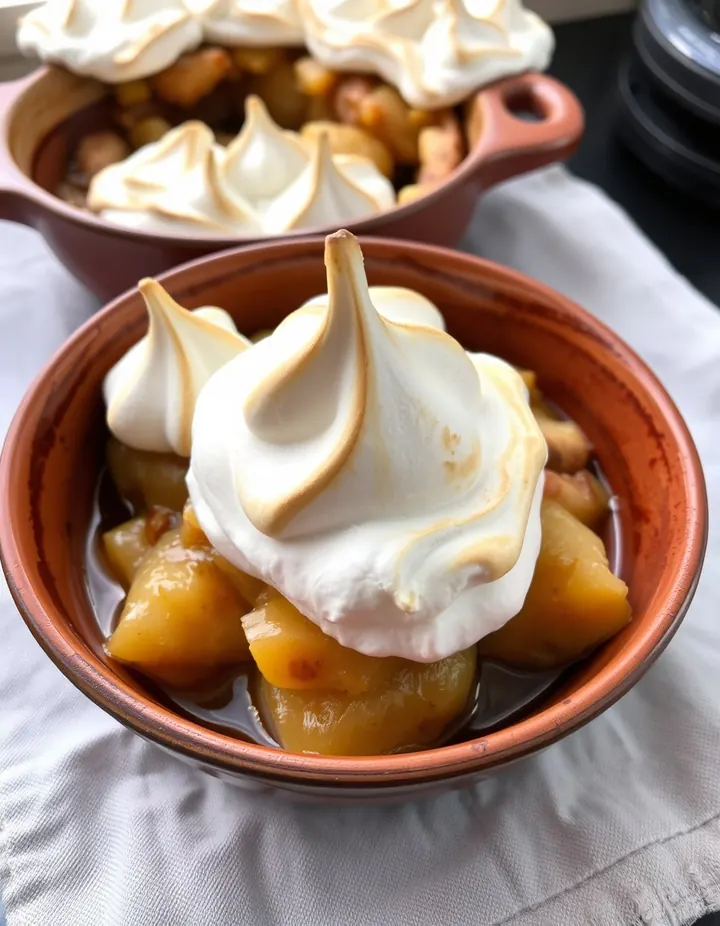 Illustration
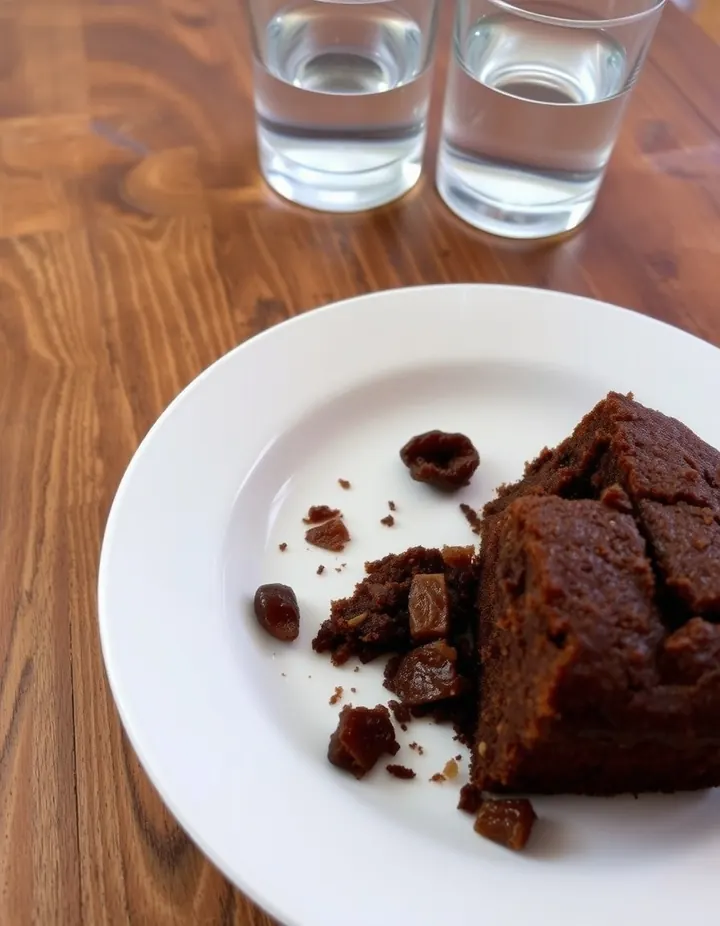 Illustration
The Sunday pairing: one pairing, the chemistry behind it, and how to cook it. No spam, unsubscribe anytime.
Prefer an account? Create a free account for sign-in; Pro adds the full results and chemistry.