Why it works: Port wine and cider share more aroma than cooks usually use. They rank in the top 6% of all ingredient pairs, and cooks put them together in 41 recipes. Both carry ethyl pentanoate, which smells yeast, fruit. The science ↓
British Port
Ingredients
Directions
Put 8 gallons of genuine port wine into a clean 60‑gallon cask.
Fume the cask well with a match.
Add 40 gallons of good cider.
Fill the cask with French brandy.
Add the juice of elderberries and sloes for roughness.
Add cochineal to achieve the desired color.
Transcribed from a scanned cookbook and modernised for today's kitchens. Where the book gave no heat or time, or said "a moderate oven", the temperatures and times here may be modern equivalents rather than the book's own figures.
Explore the science
The flavor team
The pairs that carry this dish. Each one is judged two ways: how much their aromas overlap, and how often cooks already put them together.
-
Port wine + cidertop 6% of all pairsSmell alikestrongCooked together41 recipes
Shared aroma: ethyl pentanoate (yeast, fruit).
-
Cider + brandytop 7% of all pairsSmell alikemoderateCooked together404 recipes
Shared aroma: 4-ethyl-2-methoxyphenol (smoky, clove).
-
Port wine + brandytop 7% of all pairsSmell alikemoderateCooked together127 recipes
Shared aroma: ethyl cinnamate (sweet, balsamic).
Ranks compare each pair with 20,000 random ingredient pairs on CompKitchen. How we score pairs
What each ingredient does
- Port wine
- Provides the base sweetness and fortified wine character of the blend.
- Cider
- Adds bulk and fruity body, diluting the port into a larger volume.
- French brandy
- Raises the alcohol content and adds spirit warmth to the blend.
- Elderberry and sloe juice
- Contributes tannin-like astringency and fruit flavour, giving the roughness the recipe calls for.
- Cochineal
- Supplies a red colour so the blend matches the desired appearance.
“What each ingredient does” and “The step that matters” were written by Claude from this recipe’s own method and reviewed in samples by CompKitchen.
You might also like
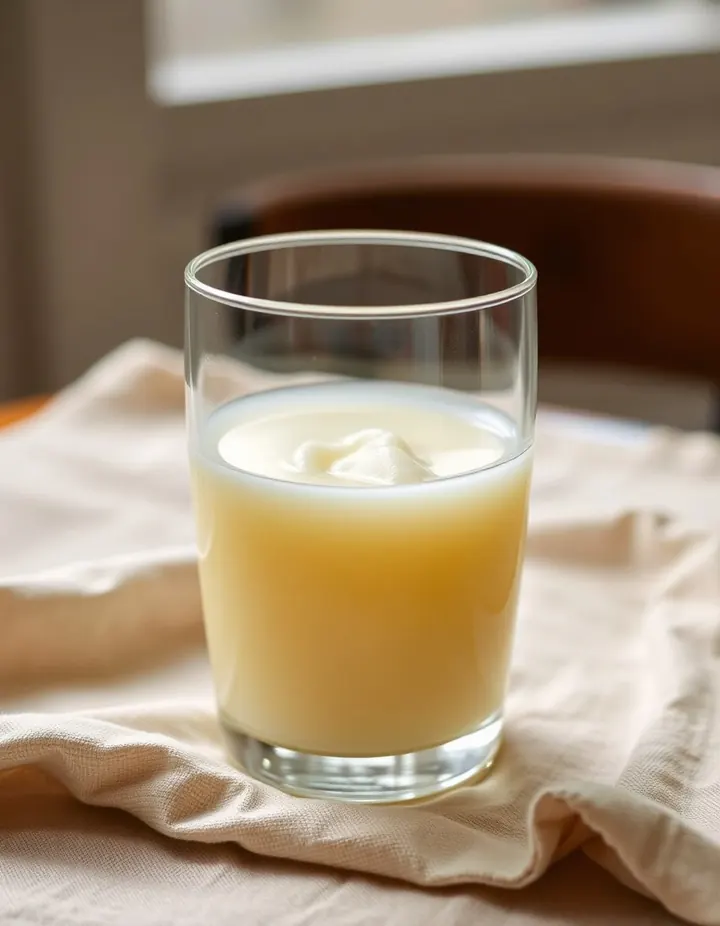 Wine Whey111 recipes
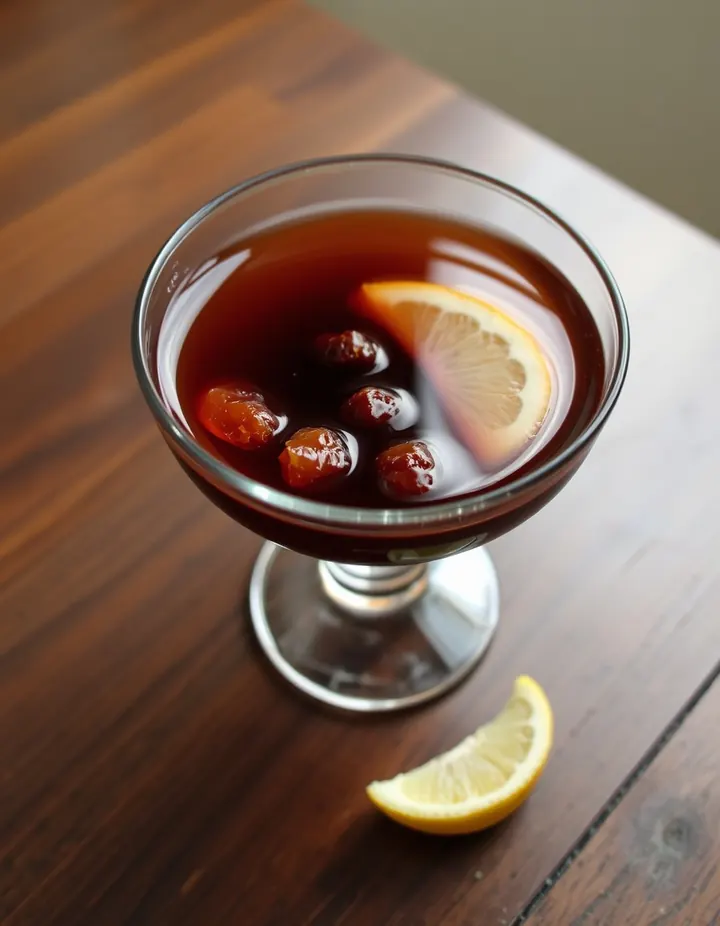 Raisin Wine64 recipes
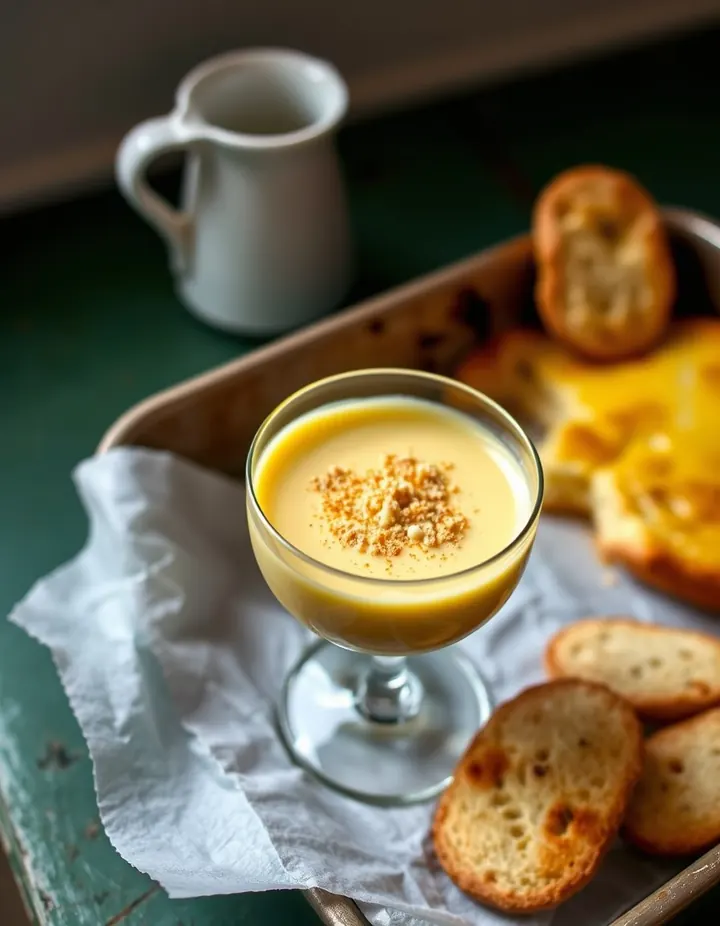 Egg Wine58 recipes
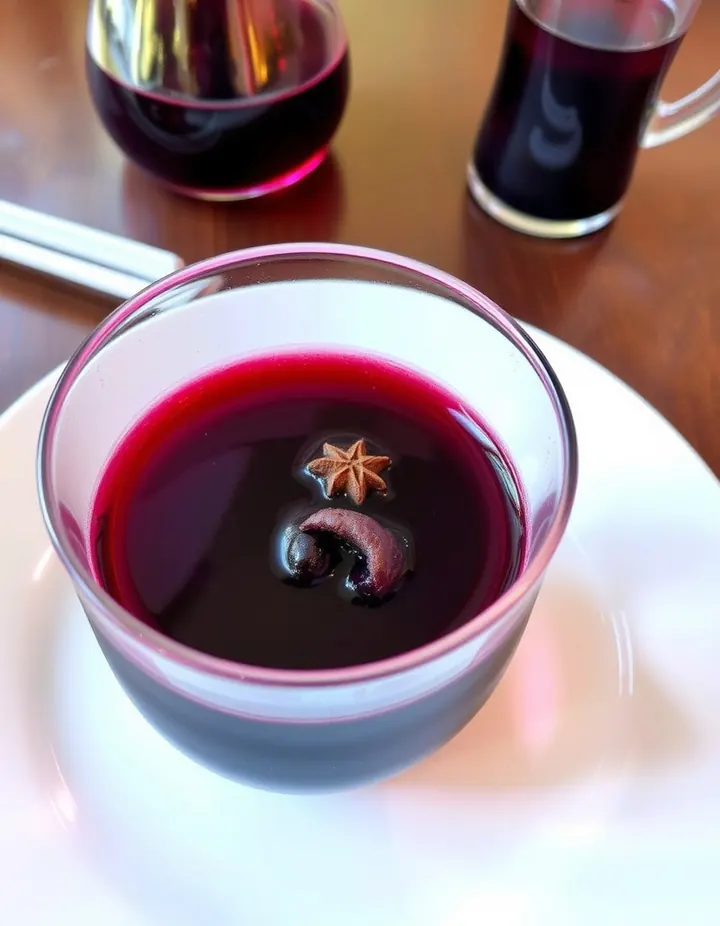 Elderberry Wine51 recipes
The free Flavor Lab newsletter: one surprising pairing a week and the molecular reason it works, in 60 seconds. No spam, unsubscribe anytime.
Prefer an account? Create a free account to save pairings and unlock the full chemistry.