Why it works: Parmesan cheese and gruyere cheese match in chemistry and in kitchens. They rank in the top 1% of all ingredient pairs, and cooks put them together in 152 recipes. Both carry ethyl 2-methylbutyrate, which smells fruity, apple. The science ↓
Macaroni and Cheese Croquettes
Ingredients
Directions
Cook the macaroni
Bring 2 quarts of water to a boil in a stew-pan with ¼ teaspoon coarse sea salt and a small piece of butter.
Add ½ pound of macaroni and cook until tender, then drain and let cool.
Cut the cooled macaroni into ¼-inch pieces and return to a stew-pan with ½ pint of Bechamel, cayenne pepper, salt, and grated nutmeg.
Make the filling
Simmer gently until thick, stirring occasionally.
Add ½ pound of grated Parmesan and Gruyere cheese, stirring for a few minutes until melted.
Remove from heat and quickly stir in 4 egg yolks, then stir for another minute to set the eggs.
Pour the mixture onto a dish and let it cool completely.
Shape and fry
Shape the cooled mixture into pieces larger than walnuts or in the shape of pears.
Dip each piece into the beaten eggs, then roll in bread crumbs, and repeat the process.
Place the croquettes in a wire basket and fry in very hot lard until golden.
Transcribed from a scanned cookbook and modernised for today's kitchens. Where the book gave no heat or time, or said "a moderate oven", the temperatures and times here may be modern equivalents rather than the book's own figures.
Explore the science
The flavor team
The pairs that carry this dish. Each one is judged two ways: how much their aromas overlap, and how often cooks already put them together.
-
Parmesan cheese + gruyere cheesetop 1% of all pairsSmell alikestrongCooked together152 recipes
Shared aroma: ethyl 2-methylbutyrate (fruity, apple).
-
Butter + breadtop 7% of all pairsSmell alikemoderateCooked together27,232 recipes
Shared aroma: delta-decalactone (sweet, creamy).
-
Pepper + nutmegtop 7% of all pairsSmell alikestrongCooked together13,015 recipes
Shared aroma: 4'-methylacetophenone (bitter almond).
-
Butter + parmesan cheesetop 9% of all pairsSmell alikemoderateCooked together4,163 recipes
Shared aroma: guaiacol (smoky, sweet).
-
Butter + gruyere cheesetop 9% of all pairsSmell alikemoderateCooked together323 recipes
Shared aroma: gamma-decalactone (peach, creamy).
Ranks compare each pair with 20,000 random ingredient pairs on CompKitchen. How we score pairs
What each ingredient does
- Macaroni
- Forms the bulk and body of the croquette filling once cut and cooled.
- Bechamel sauce
- Adds creamy moisture that binds the pasta and cheese into a spreadable mass.
- Parmesan and gruyere cheese
- Adds savory flavor and melts into the sauce to give the filling its richness and firmness when cooled.
- Egg yolks
- Enriches the filling and sets with gentle heat to help bind it.
- Beaten eggs
- Create a coating that helps bread crumbs stick and form a crisp shell.
- Bread crumbs
- Form a crisp, golden outer crust when fried.
The step that matters
Let the filling cool completely before shaping. A warm, soft filling cannot hold its shape and may burst or slump in the hot fat. Chilling firms the starch and fat so the pieces keep their form through breading and frying.
Swap the nutmeg
How well each one fits the dish's main ingredients (butter, sauce, pepper, parmesan cheese, gruyere cheese, egg, bread):
- Parsleyfits about as well
- Nutmegthe original
- Capersfits about as well
- Thymefits less well
Fit is the average pairing score against butter, sauce, pepper, parmesan cheese, gruyere cheese, egg, bread. Candidates are from the same food group and used in at least 100 recipes.
“What each ingredient does” and “The step that matters” were written by Claude from this recipe’s own method and reviewed in samples by CompKitchen.
You might also like
 Brown Bread461 recipes
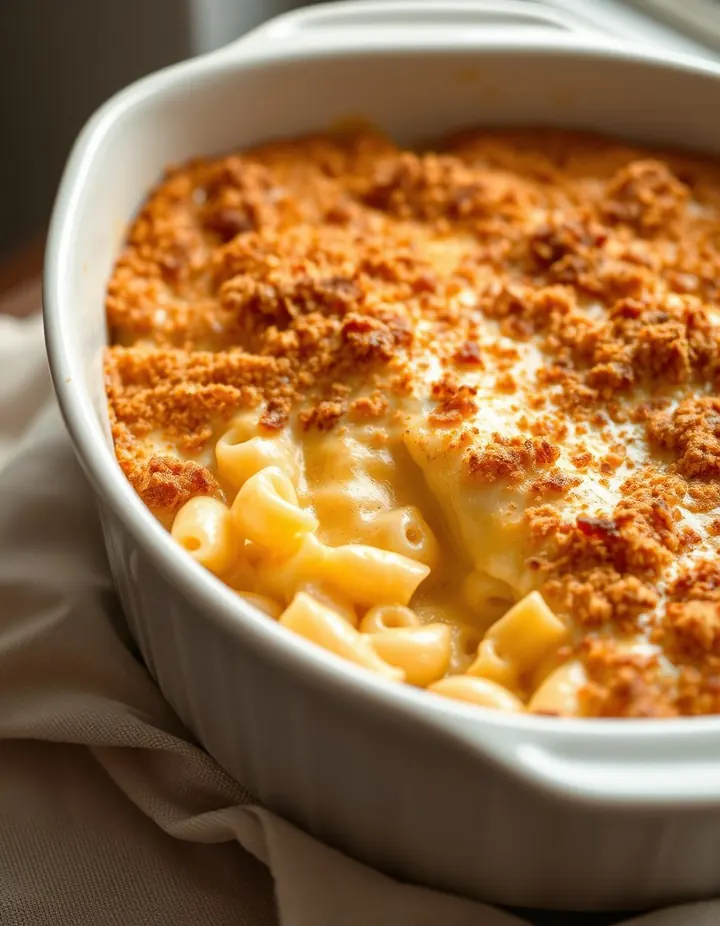 Macaroni and Cheese102 recipes
 White Bread80 recipes
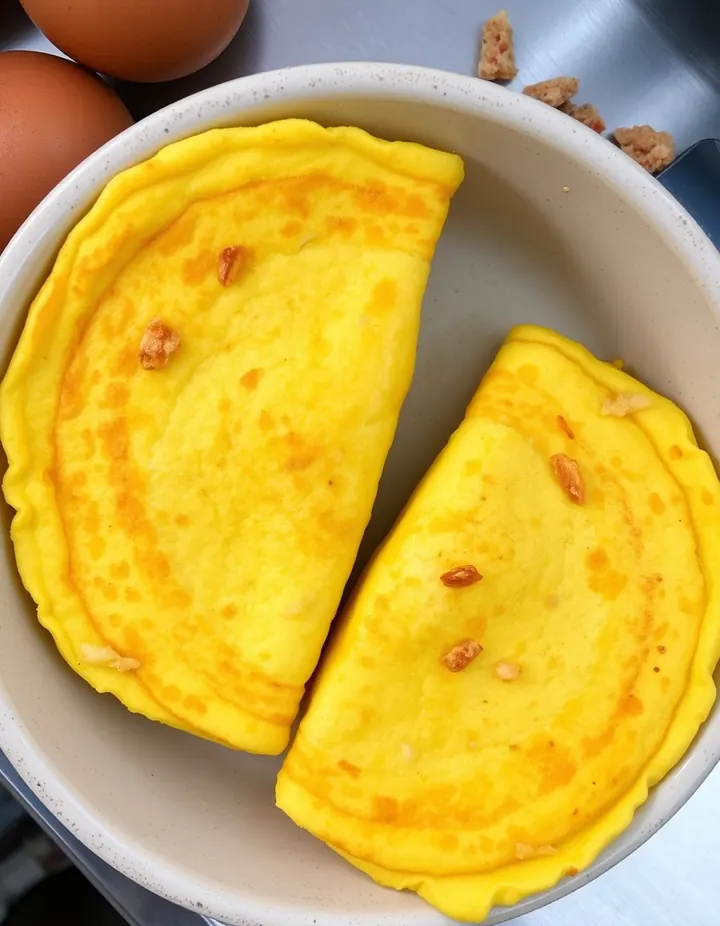 Bread Omelette60 recipes
The free Flavor Lab newsletter: one surprising pairing a week and the molecular reason it works, in 60 seconds. No spam, unsubscribe anytime.
Prefer an account? Create a free account to save pairings and unlock the full chemistry.