Why it works: Vanilla and sugar are a kitchen classic. They rank in the top 3% of all ingredient pairs, and 35,031 recipes mention both. Both carry beta-damascenone, which smells apple, rose. The science ↓
The recipe
Ingredients
Contains: egg, milk, tree nuts (auto-detected from the ingredients and method; we can miss things, so check labels)
Directions
Prepare the mixture
Pound the minced vanilla with sugar in a bowl and sieve the mixture.
Combine veal suet, beef marrow, rice flour, egg yolks, whole eggs, cream, maraschino, salt, nutmeg, pistachios, macaroons, cherries, and apples in a saucepan.
Mix the ingredients well.
Place the mixture in a well-buttered cloth.
Boil the pudding
Tie the cloth securely and attach a weight of 10 pounds to the center.
Boil a large saucepan of water.
Place the pudding in the boiling water.
Keep boiling for 4 hours.
Remove the pudding from the water and dip it in cold water.
Remove the cloth from the pudding.
Finish and serve
Trim the outside of the pudding with a sharp knife.
Dust the pudding with powdered sugar.
Decorate the pudding with sliced pistachios like quills.
Serve immediately.
Transcribed from a scanned cookbook and modernised for today's kitchens. Where the book gave no heat or time, or said "a moderate oven", the temperatures and times here may be modern equivalents rather than the book's own figures.
Explore the science
The flavor team
The pairs that carry this dish. Each one is judged two ways: how much aroma chemistry they share, and how many recipes mention both.
-
Vanilla + sugartop 3% of all pairsAroma overlaplowMentioned together35,031 recipes
Shared aroma: beta-damascenone (apple, rose).
-
Veal + beeftop 4% of all pairsAroma overlapmoderateMentioned together3,784 recipes
Shared aroma: 2,6-nonadienal (cucumber, green).
-
Beef + ricetop 4% of all pairsAroma overlapstrongMentioned together2,175 recipes
Shared aroma: 2-acetyl-1-pyrroline (popcorn, roasted).
-
Clove + vanillatop 5% of all pairsAroma overlapstrongMentioned together1,039 recipes
Shared aroma: ethyl cinnamate (sweet, balsamic).
-
Vanilla + ricetop 7% of all pairsAroma overlapstrongMentioned together1,350 recipes
Shared aroma: guaiacol (smoky, sweet).
Vanilla and sugar share little aroma chemistry, yet 35,031 recipes mention both: they likely work on texture and structure more than aroma.
Ranks compare each pair with 20,000 random ingredient pairs on CompKitchen. How we score pairs
What each ingredient does
- Egg yolks
- Enrich the custard and help bind the pudding to a set, sliceable texture.
- Whole eggs
- Provide structure as they coagulate during the long boil.
- Rice flour
- Thickens the mixture and gives the pudding body as it cooks.
- Veal suet
- Adds richness and fat that keeps the pudding moist and tender.
- Beef marrow
- Contributes fat for richness and a moist, tender crumb.
- Sugar
- Sweetens the pudding and helps balance the rich fats.
The step that matters
Keep the pudding boiling for the full 4 hours. The cloth-wrapped pudding must stay at a steady boil so the eggs and starch set evenly through the centre. Water that drops below boiling or is topped up cold can leave the pudding dense or underset, so the pot needs watching throughout.
Flavor stand-ins for the clove
How well each one fits the dish's main ingredients (vanilla, sugar, veal, beef, rice, flour, egg):
- Cinnamonbetter flavor fit
- Nutmegbetter flavor fit
- Turmericbetter flavor fit
- Clovethe original
Fit is the average pairing score against vanilla, sugar, veal, beef, rice, flour, egg. Candidates are from the same food group and used in at least 100 recipes. This compares flavor only: it does not check the job the ingredient does in the dish (bulk, moisture, acidity, structure).
“What each ingredient does” and “The step that matters” were written by Claude from this recipe’s own method and reviewed in samples by CompKitchen.
You might also like
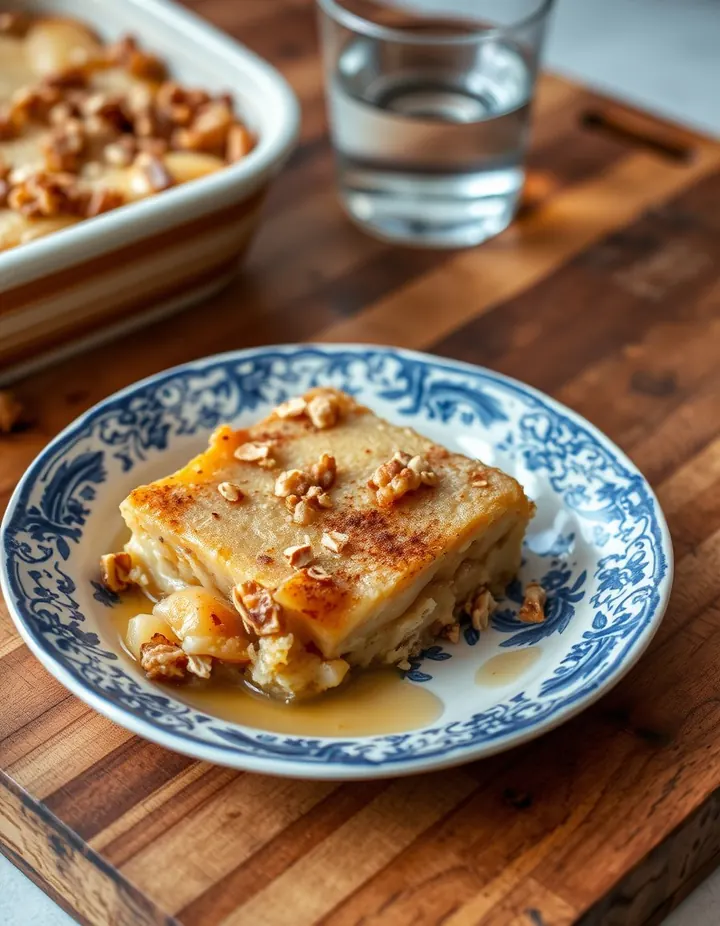 Illustration
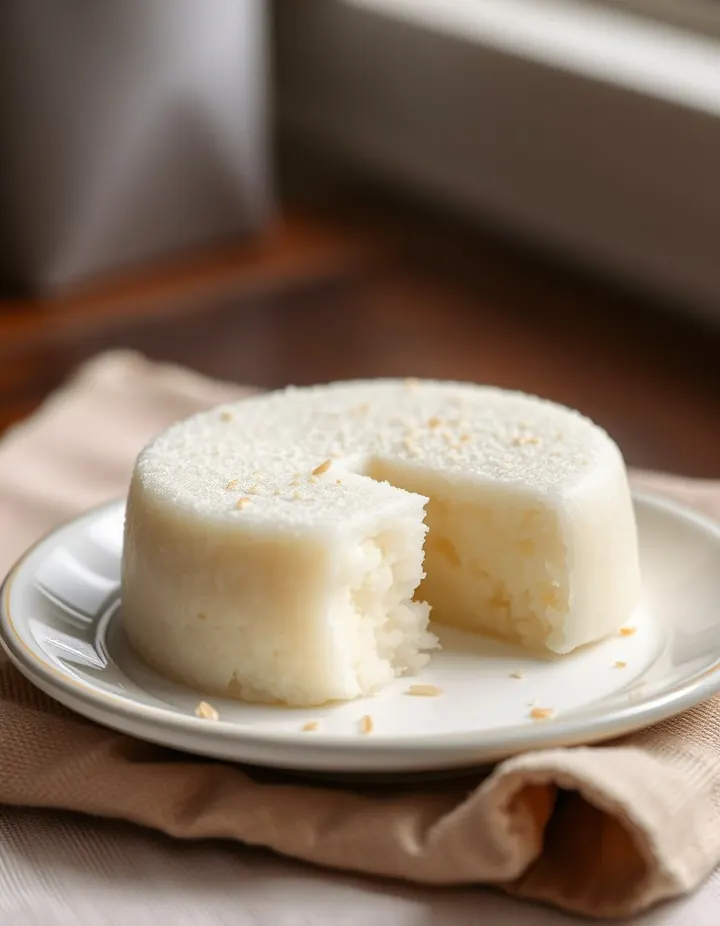 Illustration
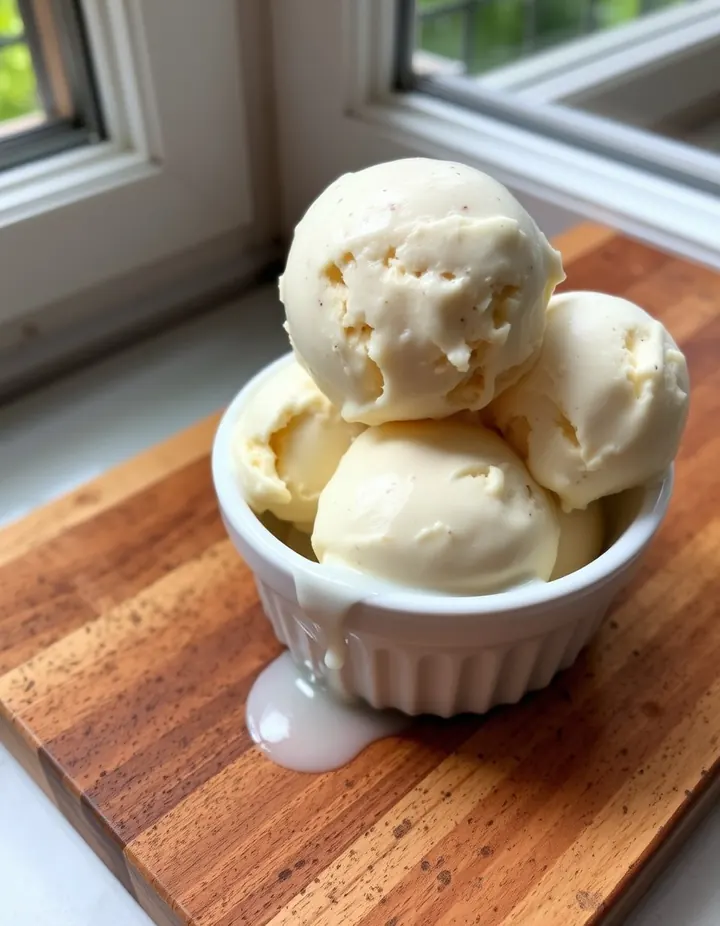 Illustration
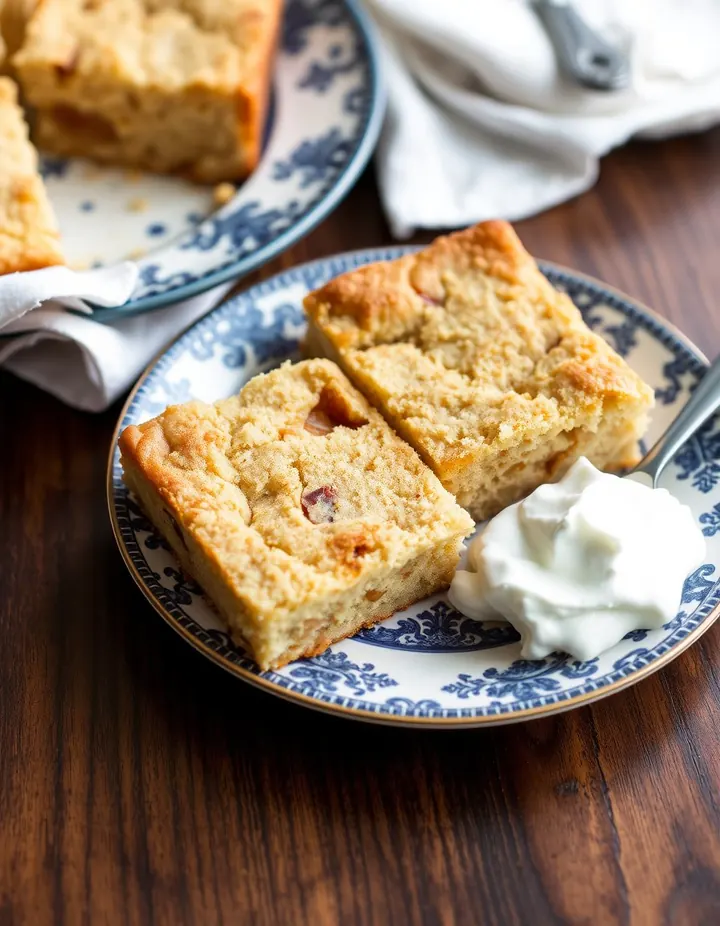 Illustration
The Sunday pairing: one pairing, the chemistry behind it, and how to cook it. No spam, unsubscribe anytime.
Prefer an account? Create a free account for sign-in; Pro adds the full results and chemistry.