Why it works: Bread and butter are a kitchen classic. They rank in the top 7% of all ingredient pairs, and 27,232 recipes mention both. Both carry delta-decalactone, which smells sweet, creamy. The science ↓
Oyster Patties
Ingredients
Directions
The book says “a quick oven”. The 400°F (200°C) in the steps is the modern equivalent, not the book's own figure.
Prepare the cases
Line patty pans with thin pastry, pressing it well into the tin.
Place a piece of bread or a ball of paper in each pan.
Cover with pastry and brush with egg white.
Cut an inch square of thin pastry, place it on each, glaze with egg, and bake at 400°F (200°C) for 15-20 minutes.
Remove the bread or paper when half cold.
Make the oyster filling
Scald the oysters in their own liquor, cut each into four, and strain the liquor.
In a thick saucepan, melt butter and flour over heat until the flour smells cooked.
Pour in the oyster liquor and milk (or cream) and stir until thick and smooth.
Add the oysters and let them boil once.
Remove from heat and stir in beaten egg yolks until the sauce resembles thick custard.
Fill and serve
Fill the patties with the oyster mixture, keeping them hot in boiling water before serving.
Transcribed from a scanned cookbook and modernised for today's kitchens. Where the book gave no heat or time, or said "a moderate oven", the temperatures and times here may be modern equivalents rather than the book's own figures.
Explore the science
The flavor team
The pairs that carry this dish. Each one is judged two ways: how much aroma chemistry they share, and how many recipes mention both.
-
Bread + buttertop 7% of all pairsAroma overlapmoderateMentioned together27,232 recipes
Shared aroma: delta-decalactone (sweet, creamy).
-
Butter + milktop 7% of all pairsAroma overlapmoderateMentioned together81,283 recipes
Shared aroma: (z)-4-heptenal (biscuit, cream).
-
Bread + milktop 11% of all pairsAroma overlapmoderateMentioned together11,466 recipes
Shared aroma: 2-undecenal (sweet).
-
Butter + flourtop 12% of all pairsAroma overlaplowMentioned together124,287 recipes
Shared aroma: isobutyraldehyde (malty, green).
-
Oyster + buttertop 12% of all pairsAroma overlapmoderateMentioned together8,184 recipes
Shared aroma: 2,6-nonadienal (cucumber, green).
Butter and flour share little aroma chemistry, yet 124,287 recipes mention both: they likely work on texture and structure more than aroma.
Ranks compare each pair with 20,000 random ingredient pairs on CompKitchen. How we score pairs
What each ingredient does
- Oysters
- Provide the main flavour and texture of the filling.
- Egg yolks
- Thicken the sauce into a rich, custard-like consistency when stirred in off the heat.
- Flour
- Thickens the butter and liquid into a smooth white sauce.
- Milk
- Forms the liquid base of the sauce, adding moisture and richness.
- Butter
- Adds fat and richness and forms the base of the roux with flour.
- Egg white
- Glazes the pastry, helping it brown and shine in the oven.
The step that matters
Stir in the egg yolks off the heat. Egg yolks thicken by coagulating when heated gently. If the sauce is too hot when they go in, they can scramble and turn grainy, so remove the pan from the heat first and stir steadily.
“What each ingredient does” and “The step that matters” were written by Claude from this recipe’s own method and reviewed in samples by CompKitchen.
You might also like
 Brown Bread461 recipes
 White Bread80 recipes
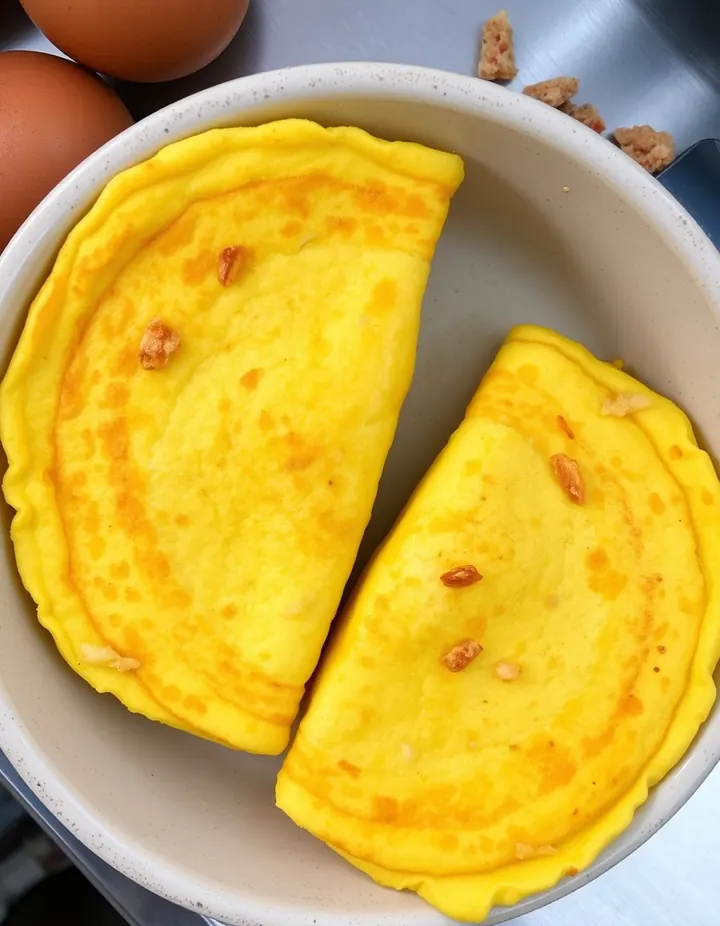 Bread Omelette60 recipes
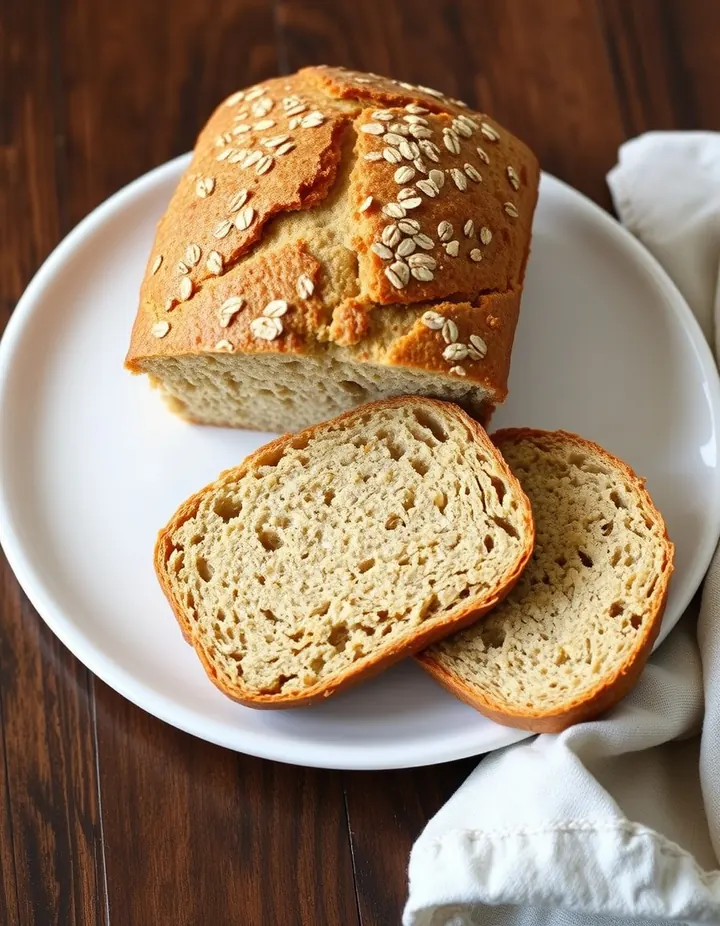 Oatmeal Bread51 recipes
The Sunday pairing: one pairing, the chemistry behind it, and how to cook it. No spam, unsubscribe anytime.
Prefer an account? Create a free account for sign-in; Pro adds the full results and chemistry.