Why it works: Veal and meat are a kitchen classic. They rank in the top 18% of all ingredient pairs, and cooks put them together in 1,890 recipes. Both carry 2,4-decadienal, which smells seaweed. The science ↓
Grenadins of Veal, with Spinach, Etc.
Ingredients
Directions
Prepare the veal
Trim the veal and cut it into 8 to 10 fillets from the thick end.
Flatten the fillets with a cutlet bat dipped in water and shape them like chicken fillets.
Lard the fillets closely with fat bacon and arrange them in a deep sauté pan on a bed of sliced vegetables.
Braise and glaze
Cover the fillets with layers of fat bacon and moisten with enough stock to reach the larding.
Cover with buttered paper and the lid, then braise for about 1 hour and 15 minutes, basting frequently.
Remove the paper near the end and glaze the fillets.
Serve
Drain on a napkin, trim, and serve on a foundation of force-meat.
Transcribed from a scanned cookbook and modernised for today's kitchens. Where the book gave no heat or time, or said "a moderate oven", the temperatures and times here may be modern equivalents rather than the book's own figures.
Explore the science
The flavor team
The pairs that carry this dish. Each one is judged two ways: how much their aromas overlap, and how often cooks already put them together.
-
Veal + meattop 18% of all pairsSmell alikelowCooked together1,890 recipes
Shared aroma: 2,4-decadienal (seaweed).
Ranks compare each pair with 20,000 random ingredient pairs on CompKitchen. How we score pairs
What each ingredient does
- White veal (fricandeau)
- Forms the main meat, which becomes tender and moist during slow braising.
- Flit bacon (for larding)
- Fat threaded through the fillets melts during braising, keeping the lean veal moist and flavourful.
- Good stock
- Liquid that gently braises the fillets and builds a savoury base for the glaze.
- Sliced vegetables (for bed)
- Raise the fillets off the pan and flavour the braising liquid as they cook.
The step that matters
Glaze the fillets after removing the paper. Reducing the surface liquid while the fillets are uncovered concentrates the stock and browns the surface, giving a glossy, savoury finish. Without this, the meat stays pale and the sauce is thin.
“What each ingredient does” and “The step that matters” were written by Claude from this recipe’s own method and reviewed in samples by CompKitchen.
You might also like
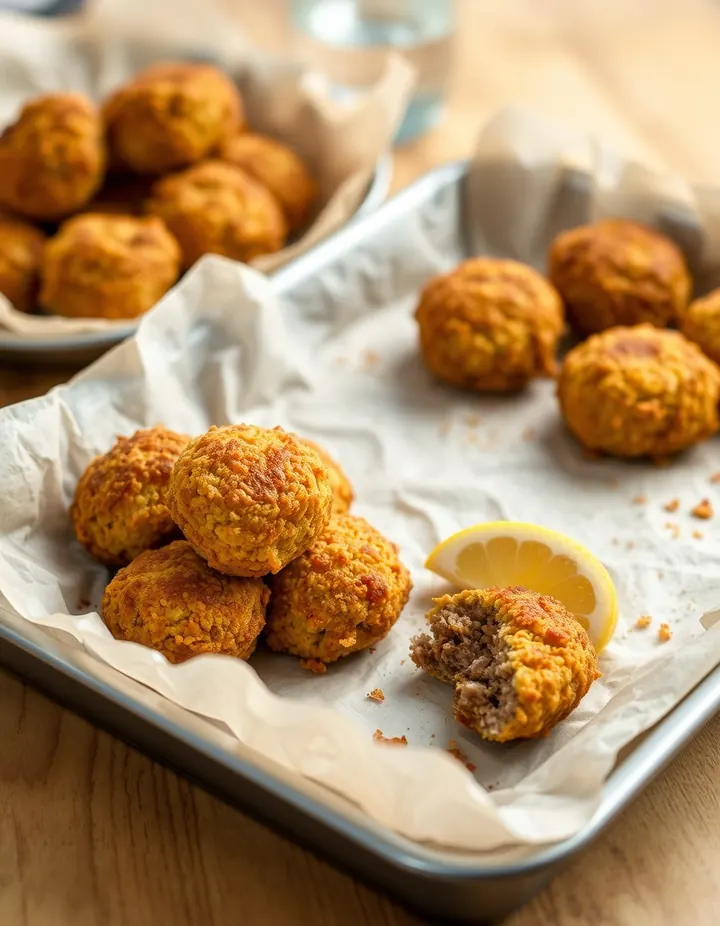 Meat Croquettes52 recipes
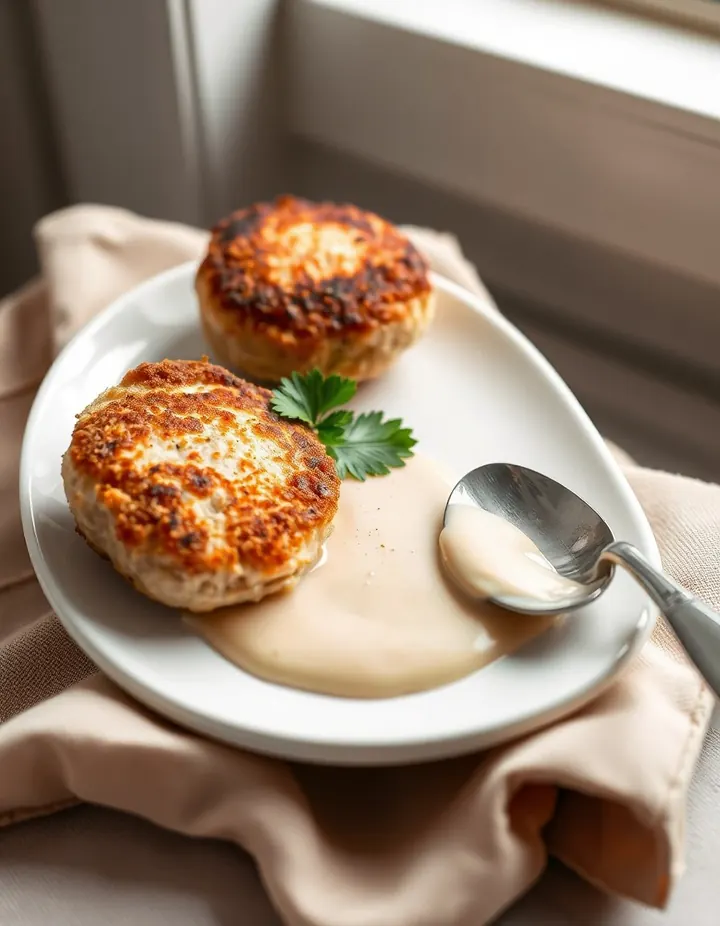 Veal Patties50 recipes
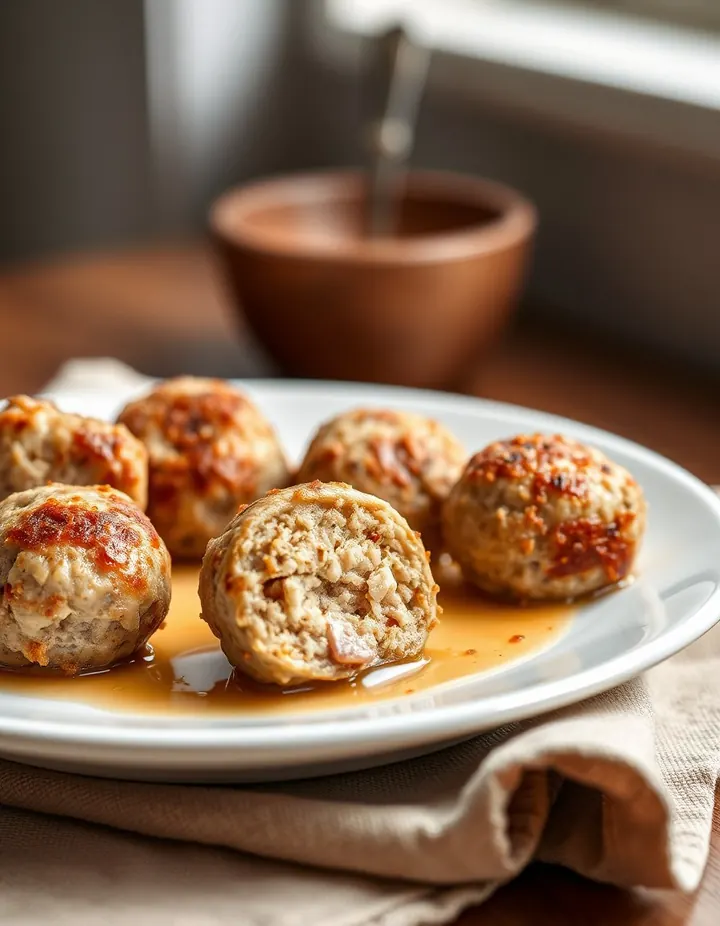 Meatballs37 recipes
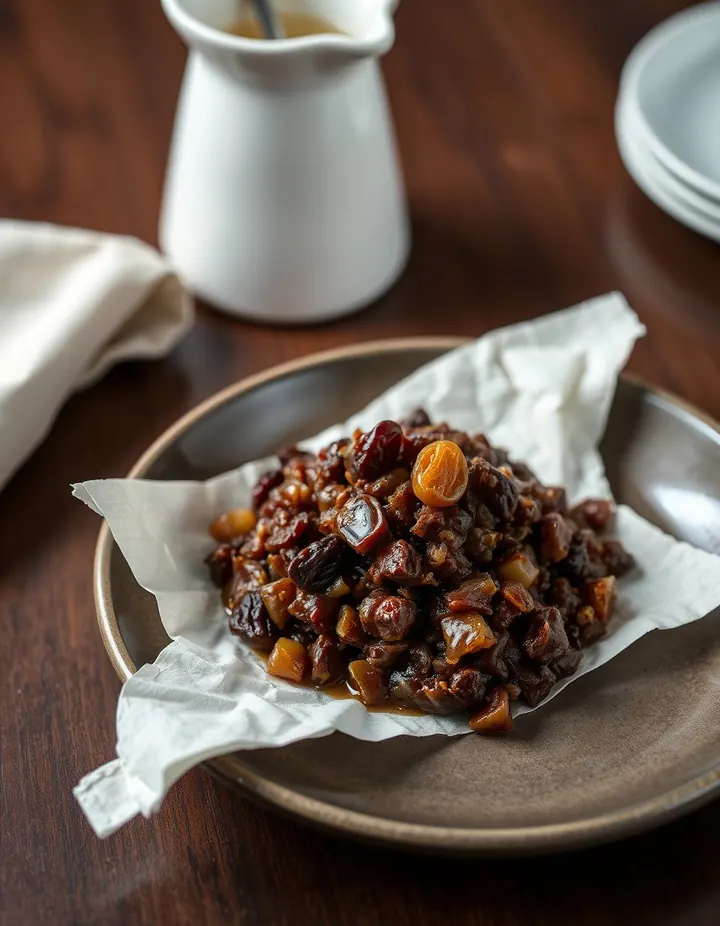 Mince Meat37 recipes
The free Flavor Lab newsletter: one surprising pairing a week and the molecular reason it works, in 60 seconds. No spam, unsubscribe anytime.
Prefer an account? Create a free account to save pairings and unlock the full chemistry.