Why it works: Flour and watercress match in chemistry and in kitchens. They rank in the top 7% of all ingredient pairs, and cooks put them together in 340 recipes. Both carry isobutyraldehyde, which smells malty, green. The science ↓
Roast Hare
Ingredients
Directions
Prepare the hare
Skin and draw the hare, leaving the ears.
Scald the ears and scrape off the hairs.
Remove the eyes and cut off the feet just above the first joint.
Wipe the hare with a clean cloth.
Cut the sinews at the back of the hind-quarters and below the fore-legs.
Stuff and truss
Fill the paunch with veal stuffing and sew it up or fasten with a skewer.
Position the legs under the hare as if sitting, and secure the head between the shoulders with a skewer.
Run another skewer through the four legs gathered under the paunch.
Double a yard of string, place the center on the breast, and cross the ends over the skewer, fastening it over the back.
Roast and serve
Spit the hare and roast it before a brisk fire for about 45 minutes, basting frequently with butter or dripping.
Five minutes before removing, sprinkle with salt, dust with flour, and baste with fresh butter until frothy.
Once browned, remove from the spit, serve with watercress, pour brown gravy underneath, and offer currant jelly on the side.
Transcribed from a scanned cookbook and modernised for today's kitchens. Where the book gave no heat or time, or said "a moderate oven", the temperatures and times here may be modern equivalents rather than the book's own figures.
Explore the science
The flavor team
The pairs that carry this dish. Each one is judged two ways: how much their aromas overlap, and how often cooks already put them together.
-
Flour + watercresstop 7% of all pairsSmell alikestrongCooked together340 recipes
Shared aroma: isobutyraldehyde (malty, green).
-
Butter + flourtop 12% of all pairsSmell alikelowCooked together124,287 recipes
Shared aroma: isobutyraldehyde (malty, green).
-
Butter + curranttop 17% of all pairsSmell alikemoderateCooked together7,856 recipes
Shared aroma: isoamyl acetate (banana, pear).
-
Veal + buttertop 23% of all pairsSmell alikemoderateCooked together9,381 recipes
Shared aroma: 3-hexenal (apple, fruity).
-
Butter + watercresstop 24% of all pairsSmell alikemoderateCooked together842 recipes
Shared aroma: isobutyraldehyde (malty, green).
Butter and flour barely smell alike, yet cooks put them together in 124,287 recipes: they work on texture and structure more than aroma.
Ranks compare each pair with 20,000 random ingredient pairs on CompKitchen. How we score pairs
What each ingredient does
- Hare
- Forms the main body of the dish and provides the meat that is roasted.
- Veal stuffing
- Fills the paunch, adding moisture and flavour to the lean meat as it cooks.
- Butter or dripping
- Bastes the surface, adding fat that promotes browning and a rich flavour.
- Flour
- Dusted on near the end, it helps form a crisp, browned crust on the surface.
- Brown gravy
- Served underneath the hare, adding moisture and savoury depth to the plate.
- Currant jelly
- Served on the side, its sweetness and acidity balance the rich, gamey meat.
The step that matters
Basting and the final flour and butter stage. Lean game meat dries out easily over a hot fire, so frequent basting with fat keeps it moist. Adding flour with fresh butter near the end helps build a browned, frothy crust.
Swap the currant
How well each one fits the dish's main ingredients (veal, butter, flour, watercress):
- Lemonfits better
- Avocadofits better
- Raisinfits better
- Currantthe original
Fit is the average pairing score against veal, butter, flour, watercress. Candidates are from the same food group and used in at least 100 recipes.
“What each ingredient does” and “The step that matters” were written by Claude from this recipe’s own method and reviewed in samples by CompKitchen.
More roasted hare recipes
You might also like
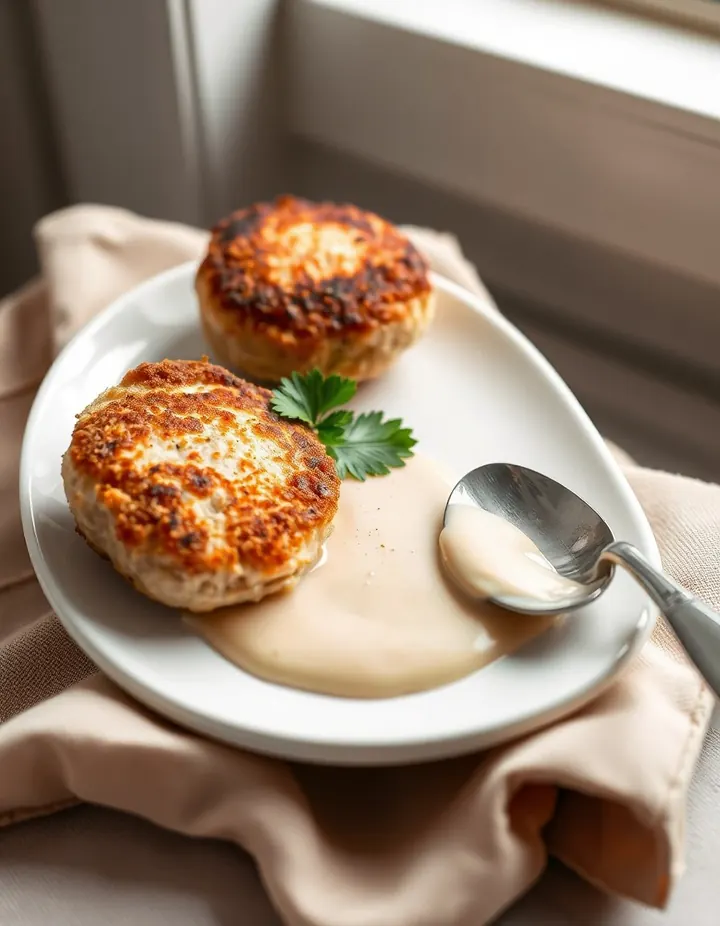 Veal Patties50 recipes
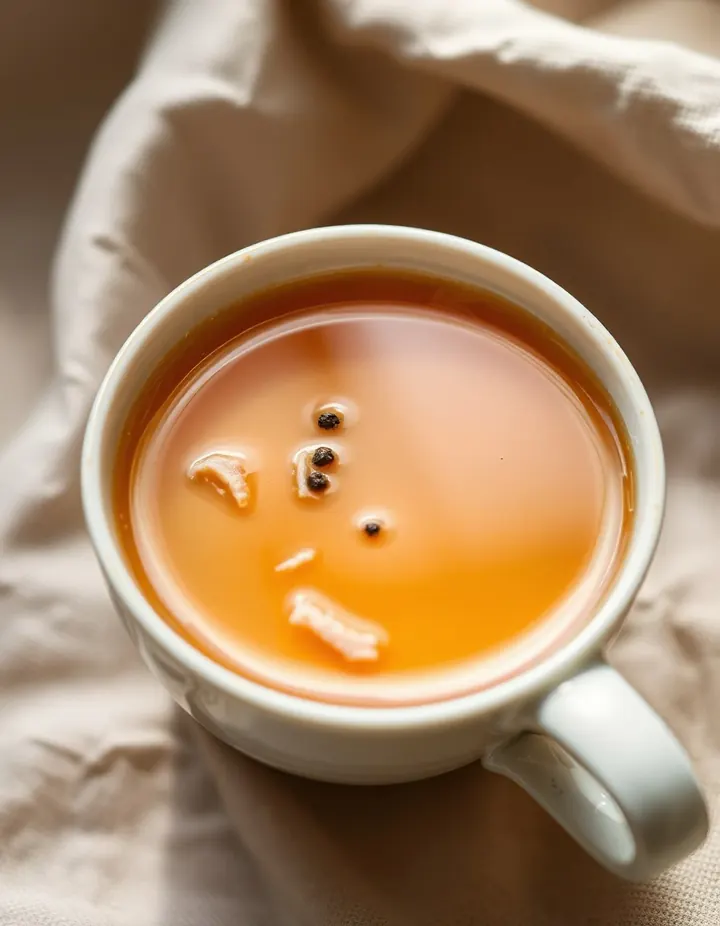 Beef, Mutton, or Veal Broth6 recipes
 Tomato Soup526 recipes
 Brown Bread461 recipes
The free Flavor Lab newsletter: one surprising pairing a week and the molecular reason it works, in 60 seconds. No spam, unsubscribe anytime.
Prefer an account? Create a free account to save pairings and unlock the full chemistry.