Why it works: Chestnut and vanilla match in chemistry and in kitchens. They rank in the top 2% of all ingredient pairs, and cooks put them together in 244 recipes. Both carry guaiacol, which smells smoky, sweet. The science ↓
Chestnut Timbale
Ingredients
Directions
The book says “a slow oven”. The 300°F (150°C) in the steps is the modern equivalent, not the book's own figure.
Make the biscuit
In a bowl, mix flour, caster sugar, and warmed clarified butter until smooth.
Add egg yolks, salt, and grated orange peel; mix for 2-3 minutes.
Gently fold in the whipped egg whites.
Butter baking sheets and spread the mixture to ½ inch thick.
Bake in a slow oven at 300°F (150°C) until set.
Build the timbale case
Cut out six square pieces matching the height of the timbale mold.
Mask one side of each piece with white sugar royal icing.
Cut a six-sided flat from cardboard, mask with marmalade, and glaze.
Trim edges of biscuit flats to fit together neatly.
Attach the biscuit pieces to the timbale mold with icing sugar.
Decorate with colored piping and white icing to hide seams.
Once set, remove the mold and place the timbale on a decorative board.
Fill and finish
Fill the hollow with sweet chestnut puree flavored with vanilla and diced preserved fruits.
Cover with the glazed flat as a lid and top with spun sugar or crystallized fruit.
Transcribed from a scanned cookbook and modernised for today's kitchens. Where the book gave no heat or time, or said "a moderate oven", the temperatures and times here may be modern equivalents rather than the book's own figures.
Explore the science
The flavor team
The pairs that carry this dish. Each one is judged two ways: how much their aromas overlap, and how often cooks already put them together.
-
Chestnut + vanillatop 2% of all pairsSmell alikestrongCooked together244 recipes
Shared aroma: guaiacol (smoky, sweet).
-
Orange + vanillatop 6% of all pairsSmell alikemoderateCooked together2,371 recipes
Shared aroma: beta-damascenone (apple, rose).
-
Flour + chestnuttop 6% of all pairsSmell alikestrongCooked together517 recipes
Shared aroma: isobutyraldehyde (malty, green).
-
Sugar + vanillatop 8% of all pairsSmell alikelowCooked together35,032 recipes
Shared aroma: beta-damascenone (apple, rose).
-
Flour + buttertop 12% of all pairsSmell alikelowCooked together124,287 recipes
Shared aroma: isobutyraldehyde (malty, green).
Sugar and vanilla barely smell alike, yet cooks put them together in 35,032 recipes: they work on texture and structure more than aroma.
Ranks compare each pair with 20,000 random ingredient pairs on CompKitchen. How we score pairs
What each ingredient does
- Flour
- Forms the structure of the baked biscuit sheets.
- Egg whites
- Whipped and folded in to lighten the batter and help it rise and set.
- Egg yolks
- Add richness and help bind the batter into a set crumb.
- Clarified butter
- Adds fat and tenderness to the biscuit.
- Caster sugar
- Sweetens the biscuit and helps it brown lightly as it bakes.
- Sweet puree of chestnuts
- Forms the sweet, creamy filling inside the timbale.
The step that matters
Bake in a slow oven until set. Baking at a low, steady 300°F dries the thin biscuit evenly without browning it too fast. Overbaking makes it brittle and hard to cut and fit into square pieces, while underbaking leaves it too soft to hold the timbale's shape.
Swap the orange
How well each one fits the dish's main ingredients (flour, sugar, butter, egg, chestnut, vanilla):
- Raisinfits better
- Figfits better
- Coconutfits better
- Orangethe original
Fit is the average pairing score against flour, sugar, butter, egg, chestnut, vanilla. Candidates are from the same food group and used in at least 100 recipes.
“What each ingredient does” and “The step that matters” were written by Claude from this recipe’s own method and reviewed in samples by CompKitchen.
You might also like
 Orange Bundt Cake349 recipes
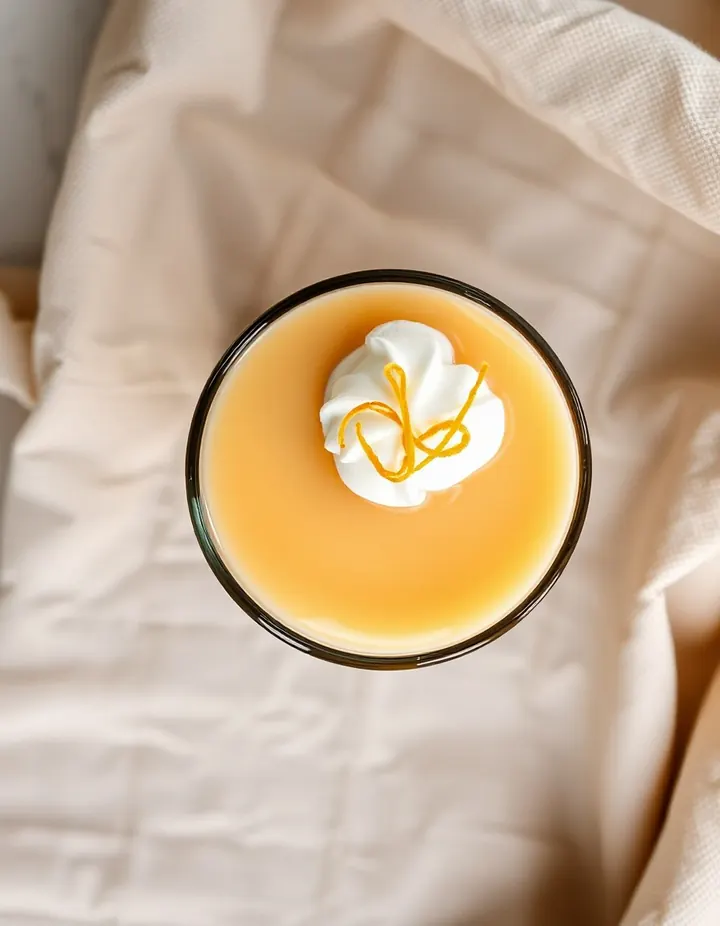 Orange Cream Rice Pudding121 recipes
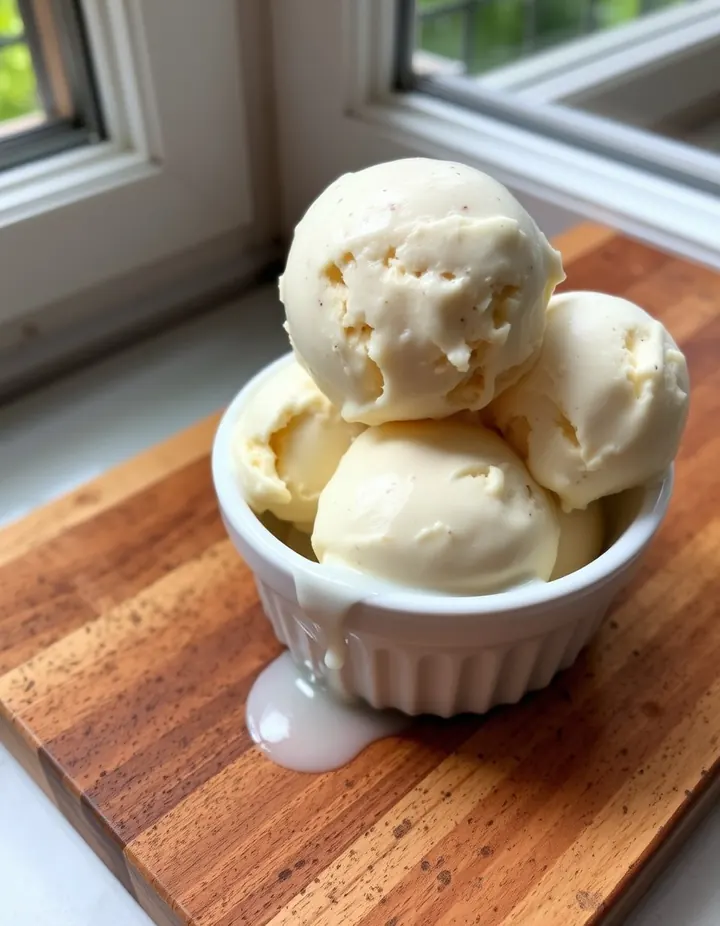 Vanilla Ice Cream108 recipes
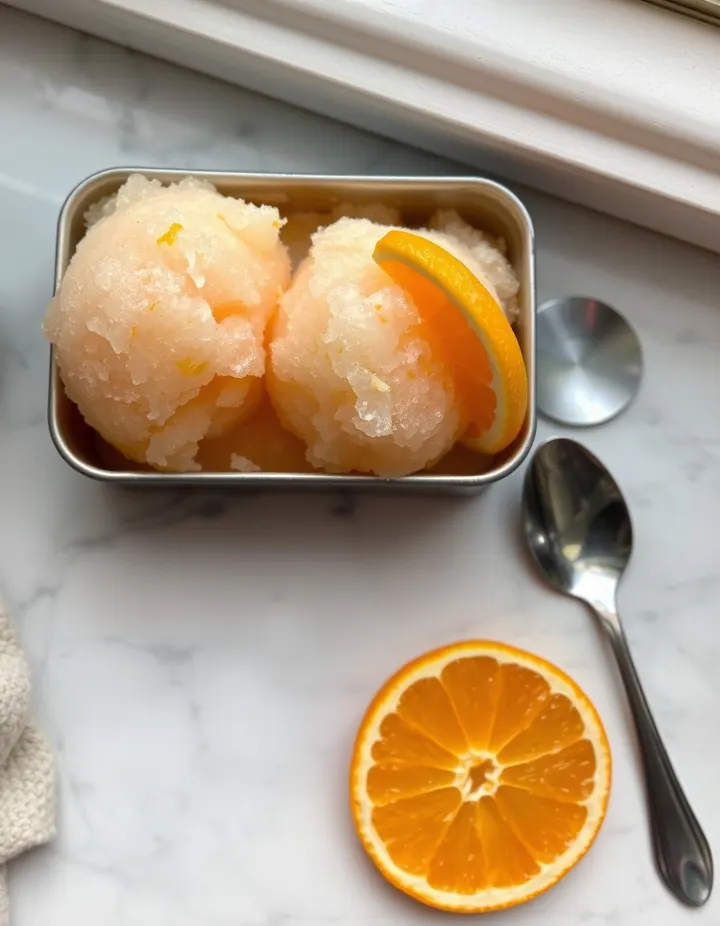 Orange Gelatin100 recipes
The free Flavor Lab newsletter: one surprising pairing a week and the molecular reason it works, in 60 seconds. No spam, unsubscribe anytime.
Prefer an account? Create a free account to save pairings and unlock the full chemistry.