Why it works: Mutton and chestnut work together. They rank in the top 31% of all ingredient pairs, and cooks put them together in 29 recipes. Both carry ethyl caproate, which smells fruity, apple peel. The science ↓
Roasted Saddle of Mutton with Chestnut Puree
Ingredients
Directions
Roast the saddle
Trim both fillets of the saddle of mutton and lard them.
Fix them on a spit and roast in front of a clear fire, basting constantly for about 45 minutes.
Remove the saddle from the spit and dust with coarse sea salt.
Carve and serve
Slice the fillets at a slant, leaving some fat attached.
Cut off the sides of the saddle and place them on a serving dish to support the carved fillets.
Serve with a separate dish of chestnut puree and a sauceboat of melted half-glaze.
Transcribed from a scanned cookbook and modernised for today's kitchens. Where the book gave no heat or time, or said "a moderate oven", the temperatures and times here may be modern equivalents rather than the book's own figures.
Explore the science
The flavor team
The pairs that carry this dish. Each one is judged two ways: how much their aromas overlap, and how often cooks already put them together.
-
Mutton + chestnuttop 31% of all pairsSmell alikelowCooked together29 recipes
Shared aroma: ethyl caproate (fruity, apple peel).
Ranks compare each pair with 20,000 random ingredient pairs on CompKitchen. How we score pairs
What each ingredient does
- Saddle of southdown mutton
- Forms the main meat; its fat and fibres become tender and juicy as it roasts.
- Chestnut puree
- Adds a soft, sweet, starchy accompaniment that balances the rich meat.
- Melted half-glaze
- Adds concentrated meaty flavour and gloss to the carved meat.
The step that matters
Basting constantly during the roast. Frequent basting keeps the surface moist and carries fat and juices back over the meat, helping it brown evenly and stay succulent rather than drying out in front of the fire.
“What each ingredient does” and “The step that matters” were written by Claude from this recipe’s own method and reviewed in samples by CompKitchen.
You might also like
 Mutton Broth292 recipes
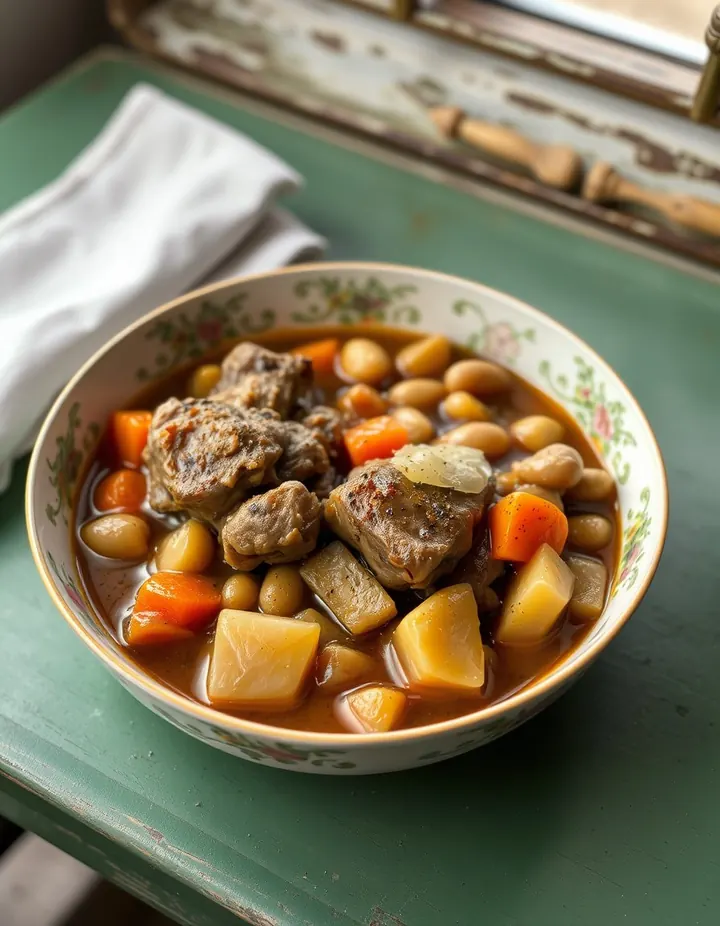 Haricot Mutton59 recipes
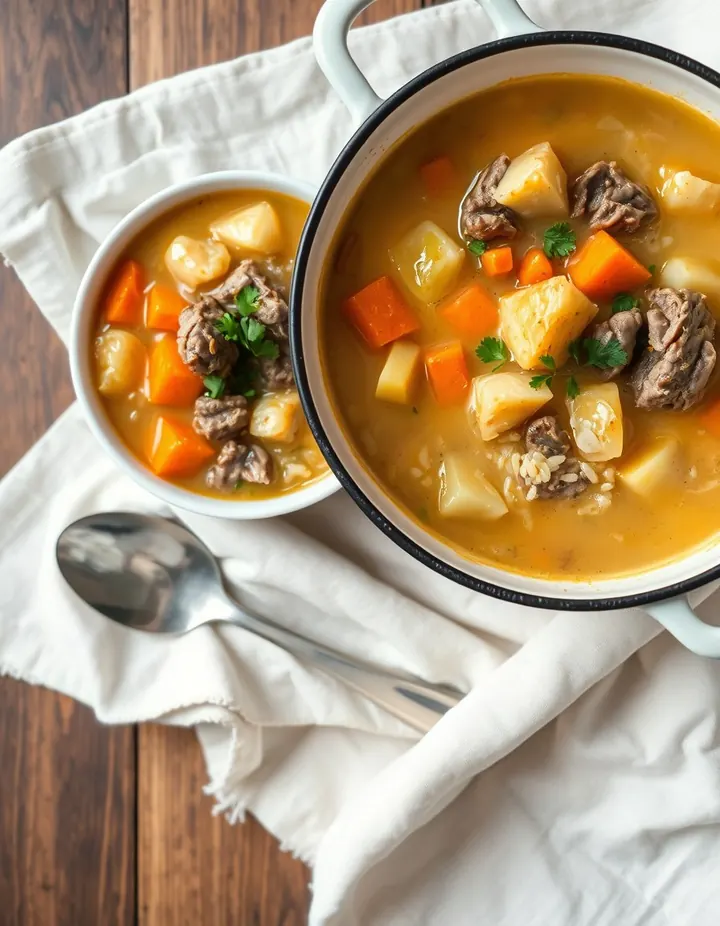 Mutton Soup56 recipes
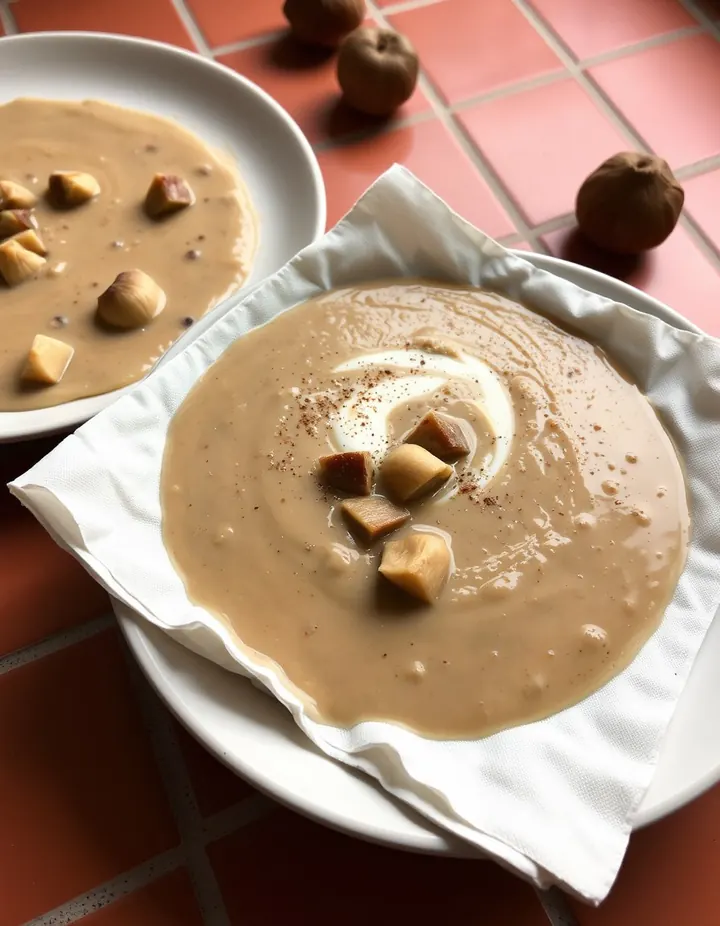 Chestnut Soup52 recipes
The free Flavor Lab newsletter: one surprising pairing a week and the molecular reason it works, in 60 seconds. No spam, unsubscribe anytime.
Prefer an account? Create a free account to save pairings and unlock the full chemistry.