Why it works: Olive and chicken are a kitchen classic. They rank in the top 9% of all ingredient pairs, and cooks put them together in 11,888 recipes. Both carry acetic acid hexyl ester, which smells sweet, green. The science ↓
Timbale of Pigeons with Olives
Ingredients
Directions
Prepare the olives
Peel, stone and soak the olives in cold water, then drain them.
Stuff the olives with forcemeat and shape them back to their original form.
Plunge the olives into boiling water until the forcemeat is firm.
Line a dome-shaped timbale mold with buttered paper and chill the lined mold on ice.
Arrange the olives in rows at the bottom and sides of the mold.
Place a layer of forcemeat over the olives.
Make the pigeon stew
Draw and singe the pigeons, then cut each pigeon into four pieces.
Fry the pigeon pieces in a saucepan with butter.
Add diced bacon to the frying pan.
Season the fried pigeon pieces with salt and pepper.
Pour in the white wine after the pigeon pieces are browned.
Boil the mixture until reduced.
Add brown sauce to the stew and braise it over low heat.
Blanch the chicken livers, quarter them, and add them to the pigeon stew.
Remove the stew from heat and let it cool.
Assemble and serve
Fill the mold with the pigeon stew.
Top the stew with a layer of forcemeat and cover the mold with buttered paper.
Poach the filled mold in a bain-marie.
Invert the poached timbale onto a dish.
Pour brown sauce around the inverted timbale and serve with additional sauce.
Transcribed from a scanned cookbook and modernised for today's kitchens. Where the book gave no heat or time, or said "a moderate oven", the temperatures and times here may be modern equivalents rather than the book's own figures.
Explore the science
The flavor team
The pairs that carry this dish. Each one is judged two ways: how much their aromas overlap, and how often cooks already put them together.
-
Olive + chickentop 9% of all pairsSmell alikemoderateCooked together11,888 recipes
Shared aroma: acetic acid hexyl ester (sweet, green).
-
Butter + white winetop 9% of all pairsSmell alikemoderateCooked together5,083 recipes
Shared aroma: ethyl octanoate (fruity, wine).
-
Olive + peppertop 11% of all pairsSmell alikemoderateCooked together30,263 recipes
Shared aroma: 2,4-decadienal (seaweed).
-
Olive + white winetop 13% of all pairsSmell alikemoderateCooked together2,949 recipes
Shared aroma: ethyl isobutyrate (fruity, ethereal).
-
White wine + chickentop 13% of all pairsSmell alikemoderateCooked together1,904 recipes
Shared aroma: ethyl isobutyrate (fruity, ethereal).
Ranks compare each pair with 20,000 random ingredient pairs on CompKitchen. How we score pairs
What each ingredient does
- Salted olives
- Form the outer shell and add a salty, savoury flavour to the timbale.
- Raw quenelle forcemeat
- Binds the filling and sets firm when poached, holding the timbale together.
- Pigeons
- Provide the main meat, which browns and becomes tender when braised in the stew.
- Butter
- Adds fat for frying and browning the pigeon pieces and adds rich flavour.
- White wine
- Adds acidity and aroma to the stew as it reduces.
- Chicken livers
- Add richness and a soft, creamy texture to the stew.
The step that matters
Plunge the olives into boiling water until the forcemeat is firm. The forcemeat must be set enough to hold its shape when the olives are reshaped and later unmoulded; under-setting makes the shell fragile, while overcooking can make the forcemeat rubbery.
“What each ingredient does” and “The step that matters” were written by Claude from this recipe’s own method and reviewed in samples by CompKitchen.
You might also like
 Chicken Broth257 recipes
 Chicken Soup156 recipes
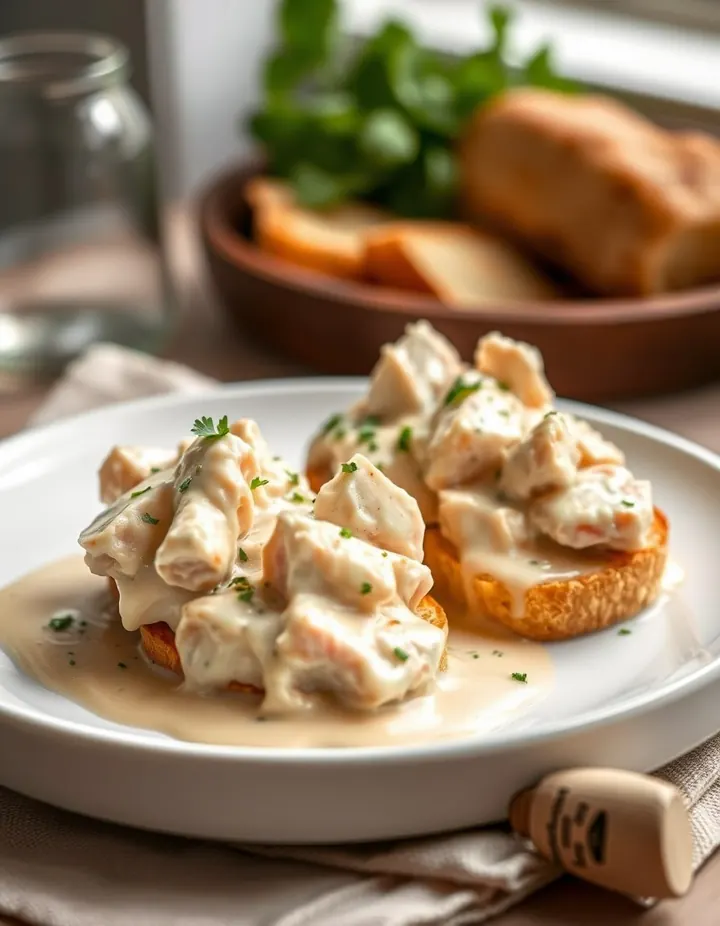 Creamed Chicken89 recipes
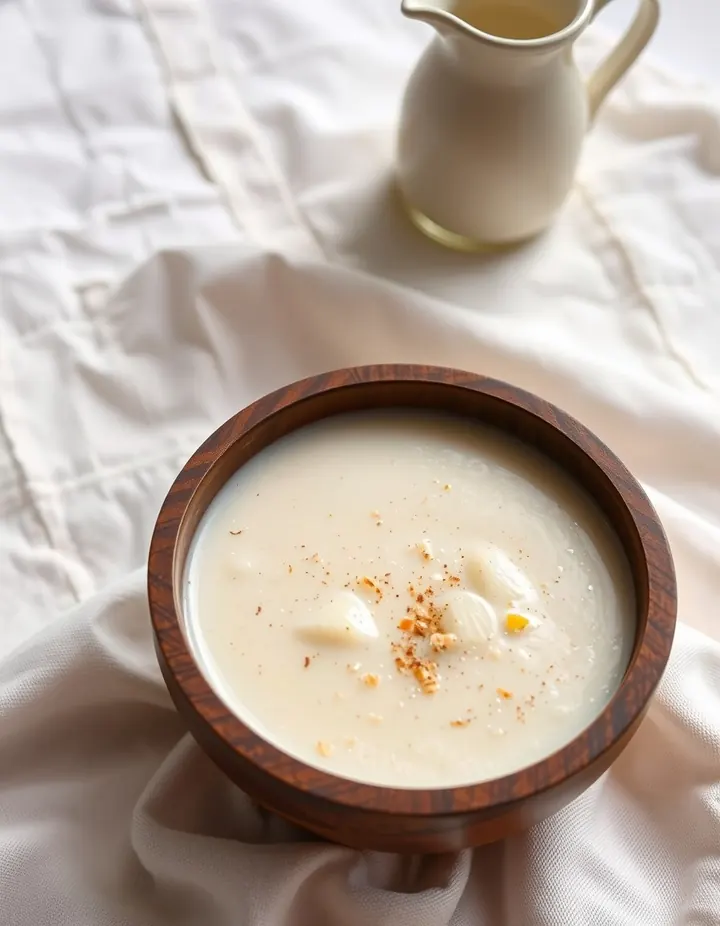 Chicken Panada75 recipes
The free Flavor Lab newsletter: one surprising pairing a week and the molecular reason it works, in 60 seconds. No spam, unsubscribe anytime.
Prefer an account? Create a free account to save pairings and unlock the full chemistry.