Why it works: Butter and parmesan cheese are a kitchen classic. They rank in the top 9% of all ingredient pairs, and cooks put them together in 4,163 recipes. Both carry guaiacol, which smells smoky, sweet. The science ↓
English Pilau
Ingredients
Directions
Prepare the meat and broth
Bone the loin of mutton, trim off fat and skin, and cut the meat into equal pieces.
In a stewpan, place the bones and knuckle of veal, cover with broth, and bring to a boil. Skim the broth, reduce heat, and simmer with sliced vegetables and sweet herbs.
Stew the meat
In another stewpan, add the mutton pieces, raw ham, and butter; brown over high heat.
Pour in ½ pint of broth, season with salt and pepper, and boil until reduced to a glaze.
Repeat adding broth and reducing until the mutton is tender, seasoning with cayenne pepper.
Cook the rice
In a saucepan, fry the chopped onion in a little butter until lightly browned.
Add the rice and toss for a few minutes over the heat.
Strain the broth from the bones and pour it over the rice; cook gently without stirring until tender.
When the rice is dry and grains are whole, add butter and Parmesan cheese, stirring lightly.
Assemble
Transfer two-thirds of the rice to a deep dish, make a hollow in the center, and place the stewed meat inside.
Top with the remaining rice and level the surface.
Transcribed from a scanned cookbook and modernised for today's kitchens. Where the book gave no heat or time, or said "a moderate oven", the temperatures and times here may be modern equivalents rather than the book's own figures.
Explore the science
The flavor team
The pairs that carry this dish. Each one is judged two ways: how much their aromas overlap, and how often cooks already put them together.
-
Butter + parmesan cheesetop 9% of all pairsSmell alikemoderateCooked together4,163 recipes
Shared aroma: guaiacol (smoky, sweet).
-
Rice + parmesan cheesetop 9% of all pairsSmell alikemoderateCooked together879 recipes
Shared aroma: 4'-methylacetophenone (bitter almond).
-
Onion + ricetop 9% of all pairsSmell alikemoderateCooked together10,433 recipes
Shared aroma: 2,4-decadienal (seaweed).
-
Pepper + oniontop 11% of all pairsSmell alikemoderateCooked together68,474 recipes
Shared aroma: 2-isopropyl-3-methoxypyrazine (earthy, pea).
-
Pepper + ricetop 12% of all pairsSmell alikemoderateCooked together8,379 recipes
Shared aroma: trans-2-nonenal (cardboard, fatty).
Ranks compare each pair with 20,000 random ingredient pairs on CompKitchen. How we score pairs
What each ingredient does
- Mutton
- Provides the main meat, which becomes tender through slow simmering in broth.
- Rice
- Forms the bulk of the dish and absorbs the broth as it cooks.
- Raw ham
- Adds savory, salty flavor and richness to the meat as it browns.
- Butter
- Adds richness and helps brown the meat and onion.
- Parmesan cheese
- Adds savory, salty depth and richness when stirred into the finished rice.
- Veal knuckle
- Releases gelatin and body into the broth, giving it a fuller texture.
The step that matters
Reducing the broth to a glaze. Boiling the broth down slowly concentrates its flavor and gelatin so it coats the meat. If it reduces too fast or burns, the meat can scorch and turn bitter.
Swap the onion
How well each one fits the dish's main ingredients (mutton, veal, ham, butter, pepper, rice, parmesan cheese):
- Asparagusfits about as well
- Tomatofits about as well
- Potatofits about as well
- Onionthe original
Fit is the average pairing score against mutton, veal, ham, butter, pepper, rice, parmesan cheese. Candidates are from the same food group and used in at least 100 recipes.
“What each ingredient does” and “The step that matters” were written by Claude from this recipe’s own method and reviewed in samples by CompKitchen.
You might also like
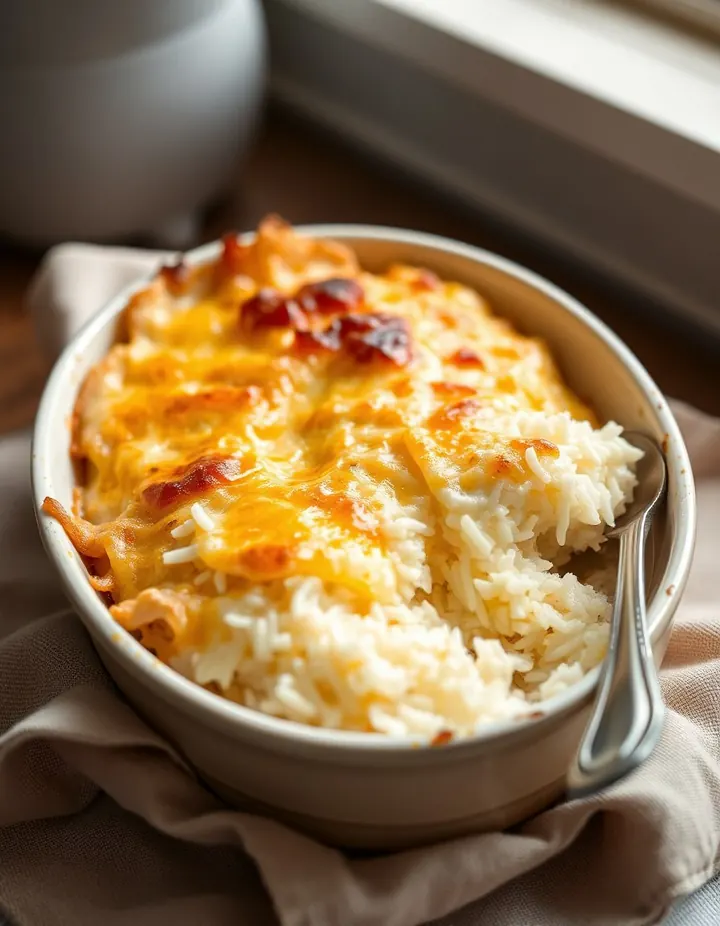 Rice and Cheese Casserole23 recipes
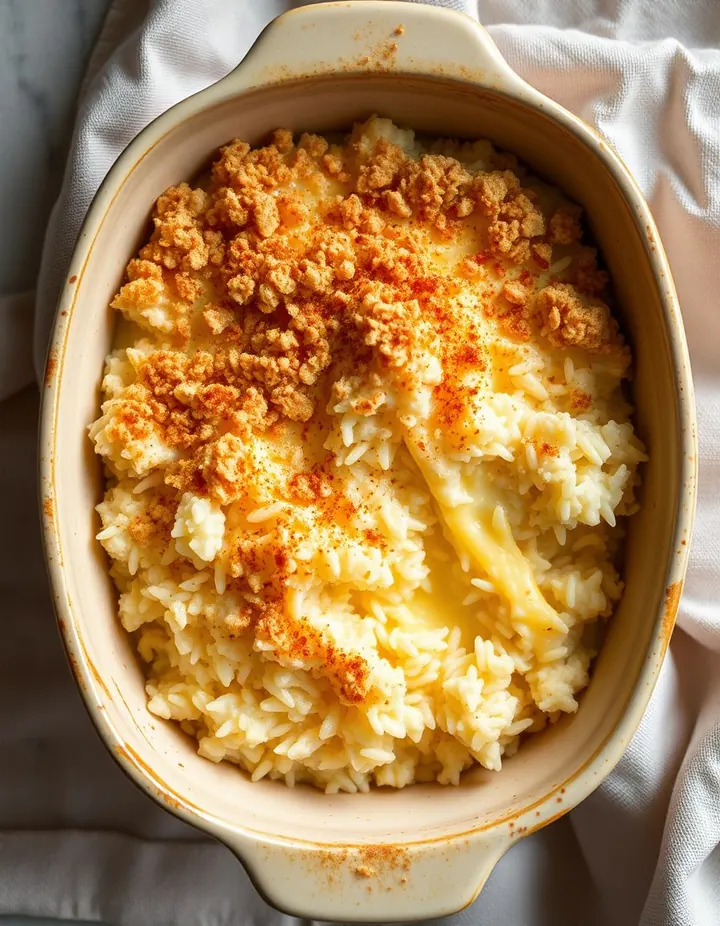 Cheese Rice12 recipes
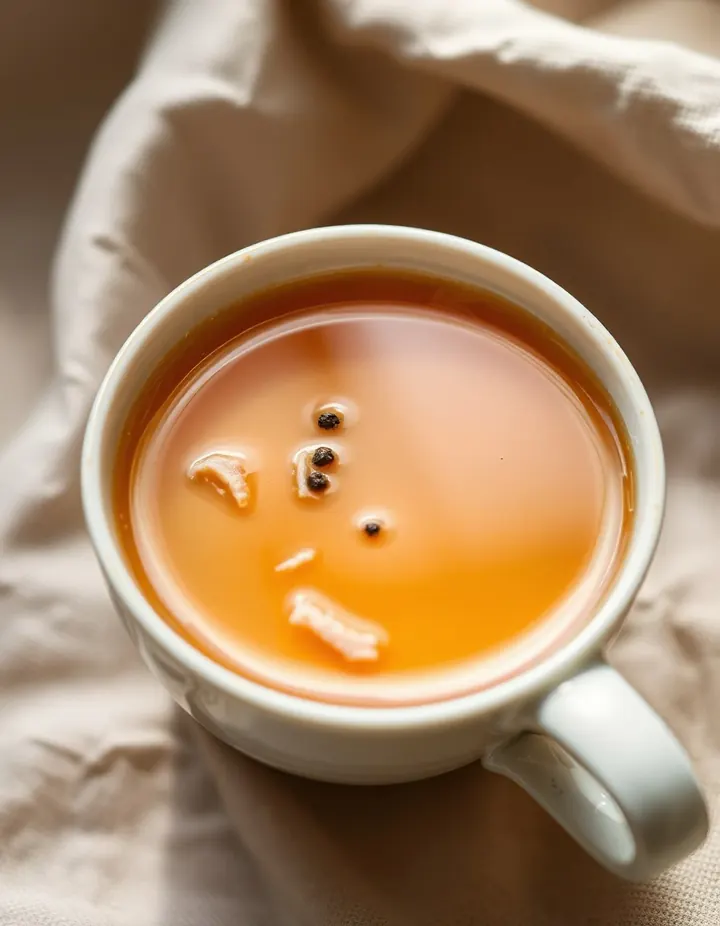 Beef, Mutton, or Veal Broth6 recipes
 Mutton Broth292 recipes
The free Flavor Lab newsletter: one surprising pairing a week and the molecular reason it works, in 60 seconds. No spam, unsubscribe anytime.
Prefer an account? Create a free account to save pairings and unlock the full chemistry.