Why it works: Pepper and pork are a kitchen classic. They rank in the top 16% of all ingredient pairs, and 22,121 recipes mention both. Both carry 2-isopropyl-3-methoxypyrazine, which smells earthy, pea. The science ↓
Baked Wild Goose with Giblet Sauce
Ingredients
Directions
The book gives no oven temperature. The 400°F (200°C) in the steps was added when the recipe was transcribed, as a starting point.
Prepare the geese
Cut off the wings and legs of the geese at the first joint and draw them, keeping the giblets (except the heart) and neck.
Wash the birds thoroughly and place them in a baking pan with a little water, dripping, and salt.
Dust the geese with pepper and cover them with slices of fat pork or beaten beef suet.
Bake and serve
Bake in a 400 °F (200 °C) oven for three hours, basting frequently until the pork is browned and shrunken.
Serve the geese on a dish with giblet sauce.
Transcribed from a scanned cookbook and modernised for today's kitchens. Where the book gave no heat or time, or said "a moderate oven", the temperatures and times here may be modern equivalents rather than the book's own figures.
Explore the science
The flavor team
The pairs that carry this dish. Each one is judged two ways: how much aroma chemistry they share, and how many recipes mention both.
-
Pepper + porktop 16% of all pairsAroma overlapmoderateMentioned together22,121 recipes
Shared aroma: 2-isopropyl-3-methoxypyrazine (earthy, pea).
Ranks compare each pair with 20,000 random ingredient pairs on CompKitchen. How we score pairs
What each ingredient does
- Wild geese
- Provide the meat that is roasted until tender and browned.
- Fat pork or beef suet
- Covers the birds and melts during baking, adding fat that keeps the meat moist and browns the surface.
- Dripping
- Adds fat to the pan so the birds roast in moisture and brown more evenly.
The step that matters
Basting frequently during the three-hour bake. Regular basting spreads the melting fat and pan juices over the birds, keeping the meat moist and helping the pork or suet brown evenly rather than drying out over the long roast.
“What each ingredient does” and “The step that matters” were written by Claude from this recipe’s own method and reviewed in samples by CompKitchen.
You might also like
 Pork Cake107 recipes
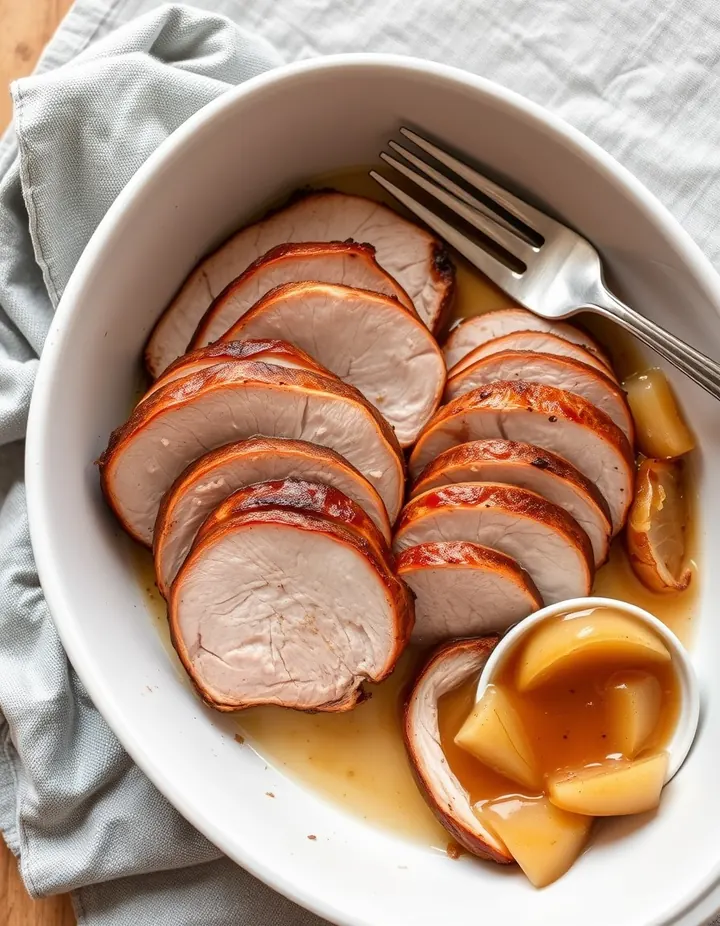 Roast Pork82 recipes
 Tomato Soup526 recipes
 Brown Bread461 recipes
The Sunday pairing: one pairing, the chemistry behind it, and how to cook it. No spam, unsubscribe anytime.
Prefer an account? Create a free account for sign-in; Pro adds the full results and chemistry.