Why it works: Mutton and flour are a kitchen classic. They rank in the top 29% of all ingredient pairs, and cooks put them together in 2,695 recipes. Both carry hexanal, which smells grass, green. The science ↓
Saddle of Mutton
Ingredients
Directions
The book gives no oven temperature. The 350°F (175°C) in the steps was added when the recipe was transcribed, as a starting point.
Prepare
Have the butcher remove the skin and skewer it back on, or grease a sheet of paper and tie it over the meat.
Roast
Begin basting immediately to prevent the paper from catching fire.
Baste the meat well throughout the cooking process.
Roast for 2 to 2.25 hours at 350°F (175°C).
About 30 minutes before it's done, remove the skin or paper, baste again, sprinkle with salt, and dredge with flour.
Finish
Make gravy as directed for the joint.
Transcribed from a scanned cookbook and modernised for today's kitchens. Where the book gave no heat or time, or said "a moderate oven", the temperatures and times here may be modern equivalents rather than the book's own figures.
Explore the science
The flavor team
The pairs that carry this dish. Each one is judged two ways: how much their aromas overlap, and how often cooks already put them together.
-
Mutton + flourtop 29% of all pairsSmell alikelowCooked together2,695 recipes
Shared aroma: hexanal (grass, green).
Ranks compare each pair with 20,000 random ingredient pairs on CompKitchen. How we score pairs
What each ingredient does
- Mutton
- Forms the main body of the dish, with its fat and meat cooking together during roasting.
- Flour
- Dredged over the surface near the end to help form a browned, crisp crust.
The step that matters
Basting before the paper or skin is removed. Basting keeps the surface moist and helps protect the grease-coated paper from scorching, since paper can catch fire in a hot oven. Keeping the meat wet also helps it stay tender during the long roast.
“What each ingredient does” and “The step that matters” were written by Claude from this recipe’s own method and reviewed in samples by CompKitchen.
You might also like
 Mutton Broth292 recipes
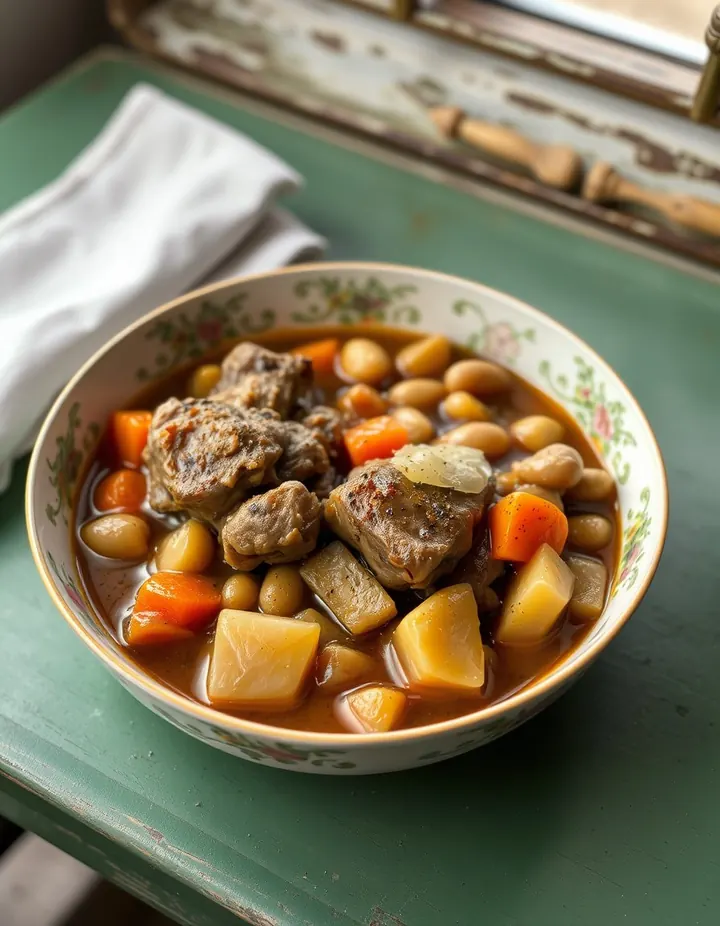 Haricot Mutton59 recipes
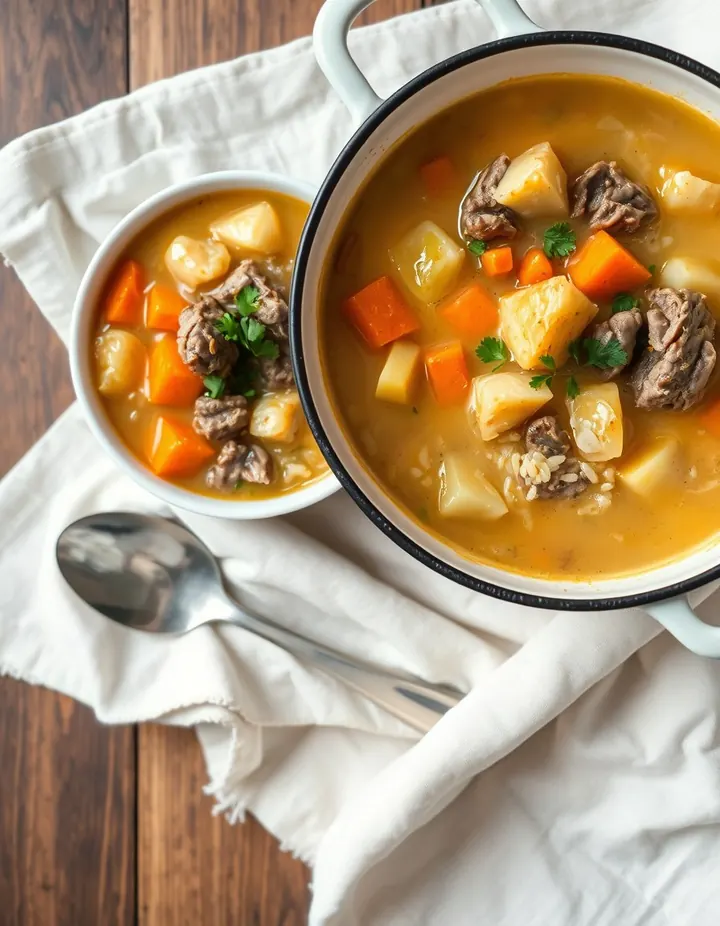 Mutton Soup56 recipes
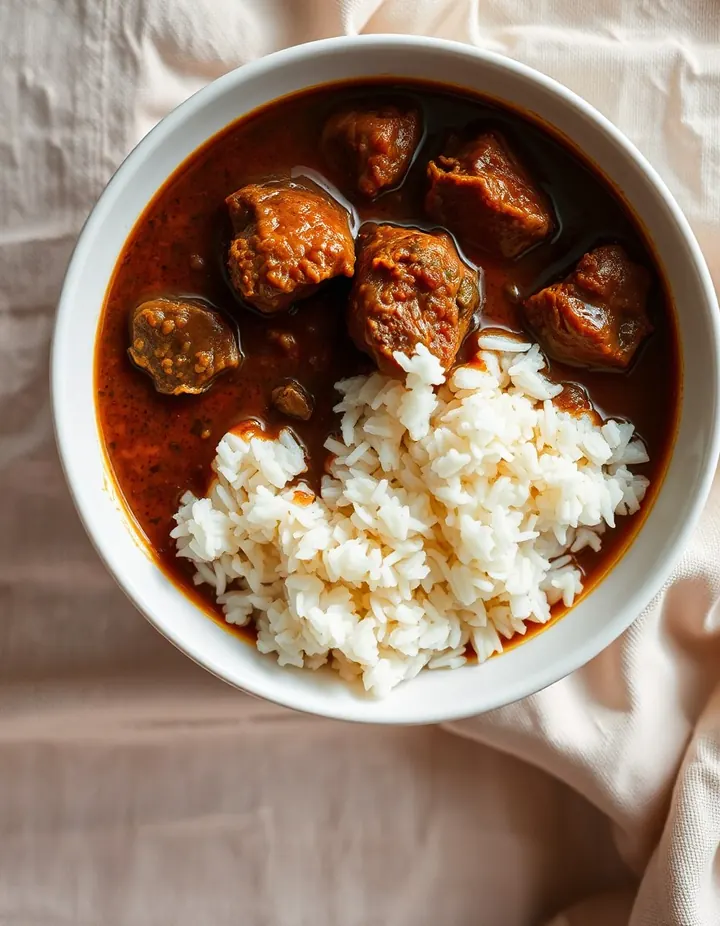 Curried Mutton9 recipes
The free Flavor Lab newsletter: one surprising pairing a week and the molecular reason it works, in 60 seconds. No spam, unsubscribe anytime.
Prefer an account? Create a free account to save pairings and unlock the full chemistry.