Why it works: Vinegar and fish are a kitchen classic. They rank in the top 26% of all ingredient pairs, and cooks put them together in 1,036 recipes. Both carry acetoin, which smells butter, cream. The science ↓
Collared and Potted Meats
Ingredients
Directions
Prepare
Combine two parts vinegar and one part water in a pan to barely cover the fish pieces.
Tie the top of the pan with clean white paper and then with a bladder.
Steam
Place the pan in a steamer or on a cloth in a kettle.
Pour boiling water into the kettle to reach three-quarters up the pan.
Steam for about 45 minutes or keep boiling in water for the same time.
Cool and store
Remove the pan and let the fish cool gradually without untying the bladder.
Refrigerate; it will be ready to eat the next day and can last up to five weeks if kept airtight.
Transcribed from a scanned cookbook and modernised for today's kitchens. Where the book gave no heat or time, or said "a moderate oven", the temperatures and times here may be modern equivalents rather than the book's own figures.
Explore the science
The flavor team
The pairs that carry this dish. Each one is judged two ways: how much their aromas overlap, and how often cooks already put them together.
-
Vinegar + fishtop 26% of all pairsSmell alikelowCooked together1,036 recipes
Shared aroma: acetoin (butter, cream).
Ranks compare each pair with 20,000 random ingredient pairs on CompKitchen. How we score pairs
What each ingredient does
- Fish pieces
- Form the main body of the dish, which is cooked gently until tender and then set in the pan.
- Vinegar
- Provides acidity that flavours the fish and helps preserve it during keeping.
The step that matters
Letting the fish cool gradually without untying the bladder. Cooling slowly in the sealed pan keeps the fish moist and stops it from being exposed to air, which could let spoilage start. Opening the seal early risks contamination and drying.
“What each ingredient does” and “The step that matters” were written by Claude from this recipe’s own method and reviewed in samples by CompKitchen.
You might also like
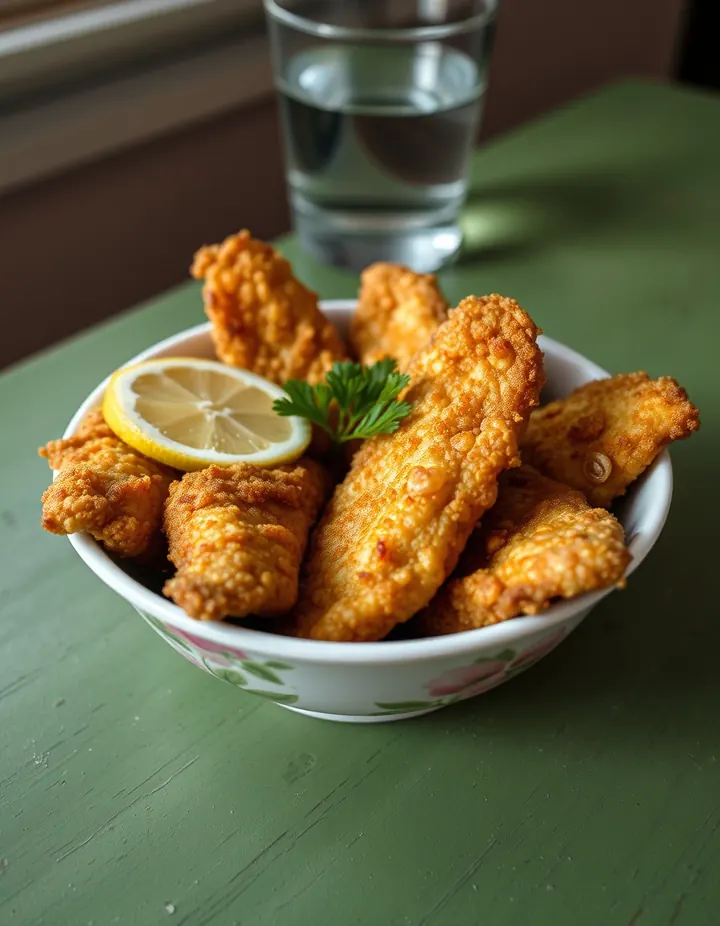 Fried Fish120 recipes
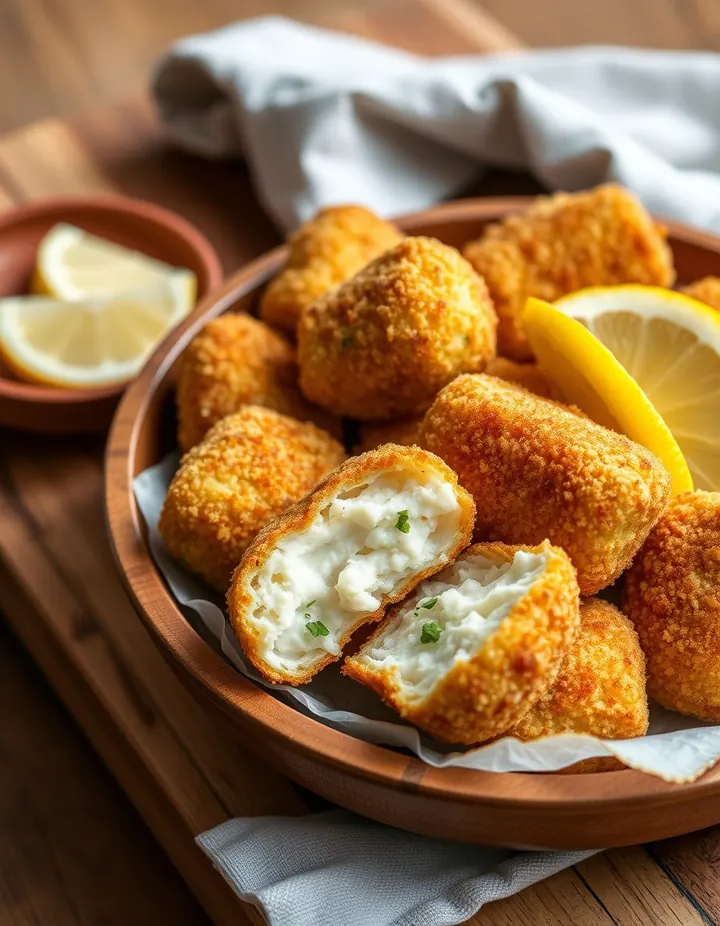 Fish Croquettes81 recipes
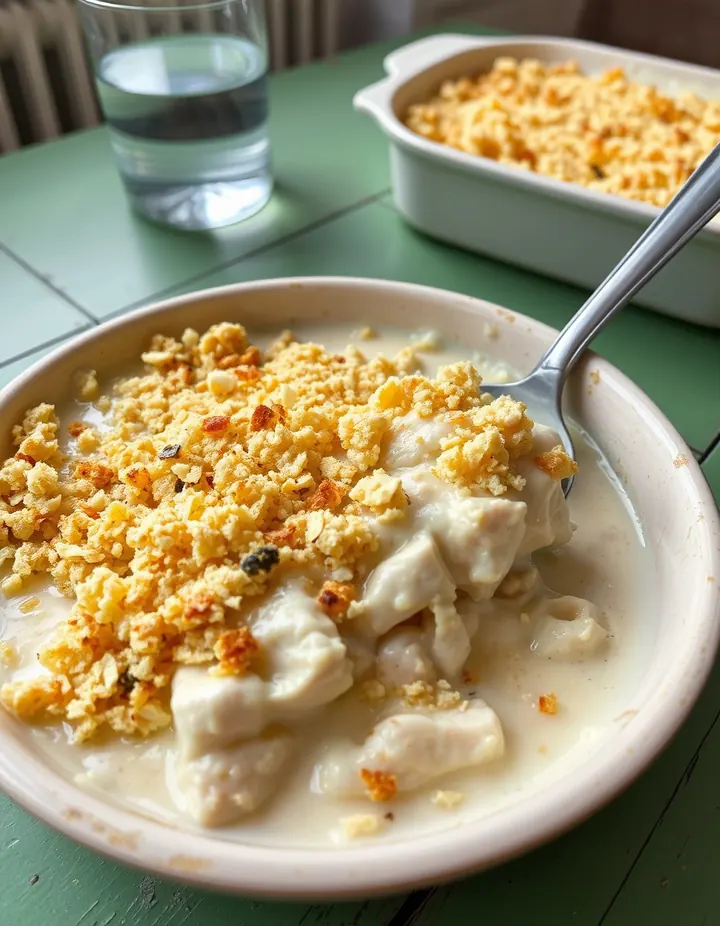 Scalloped Cod69 recipes
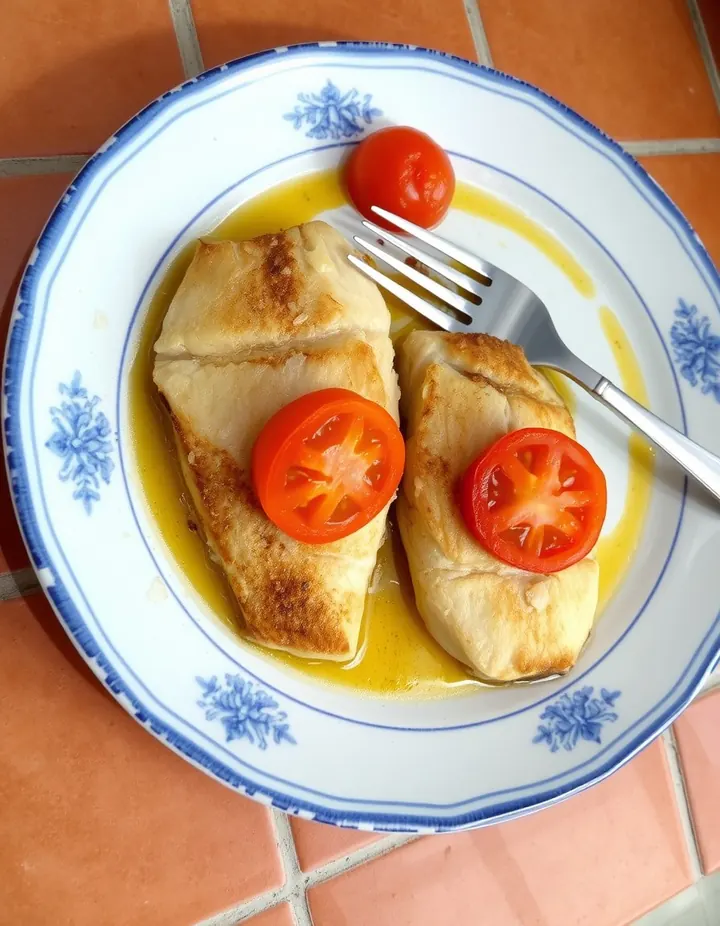 Broiled Fish68 recipes
The free Flavor Lab newsletter: one surprising pairing a week and the molecular reason it works, in 60 seconds. No spam, unsubscribe anytime.
Prefer an account? Create a free account to save pairings and unlock the full chemistry.