Why it works: Butter and bread are a kitchen classic. They rank in the top 7% of all ingredient pairs, and cooks put them together in 27,232 recipes. Both carry delta-decalactone, which smells sweet, creamy. The science ↓
Fish Pate
Ingredients
Directions
The book gives no oven temperature. The 400°F (200°C) in the steps was added when the recipe was transcribed, as a starting point.
Build the potato shell
Mash the desired amount of potatoes with a good piece of butter.
Using the bowls of 2 silver spoons, form a 2½-inch high wall of mashed potatoes within the rim of a dish.
Make the upper part of the potato wall thinner than the lower part.
Smooth the upper part of the potato wall.
Brush the potato wall all over with beaten egg.
Bake in a 400°F (200°C) oven until hot and slightly colored.
Optionally, decorate the outside of the potato wall with small shapes cut from paste.
Brush the decorated potato wall with beaten egg.
Make the crab filling
In a mortar, beat the crab meat with white pepper, coarse sea salt, nutmeg, and a few bread crumbs.
Warm the crab mixture with gravy thickened with cream or butter and 1 tablespoon of wine.
Once warmed, add a little lemon juice.
Assemble and serve
Pour the crab mixture into the baked potato walls.
Serve hot.
Optionally, brown the top with a salamander.
Optionally, garnish with small claws.
Transcribed from a scanned cookbook and modernised for today's kitchens. Where the book gave no heat or time, or said "a moderate oven", the temperatures and times here may be modern equivalents rather than the book's own figures.
Explore the science
The flavor team
The pairs that carry this dish. Each one is judged two ways: how much their aromas overlap, and how often cooks already put them together.
-
Butter + breadtop 7% of all pairsSmell alikemoderateCooked together27,232 recipes
Shared aroma: delta-decalactone (sweet, creamy).
-
Crab + meattop 8% of all pairsSmell alikemoderateCooked together448 recipes
Shared aroma: 2,3,5-trimethylpyrazine (cocoa, roasted).
-
Potato + nutmegtop 8% of all pairsSmell alikemoderateCooked together1,052 recipes
Shared aroma: 4'-methylacetophenone (bitter almond).
-
Butter + crabtop 10% of all pairsSmell alikemoderateCooked together812 recipes
Shared aroma: nonanal (fat, citrus).
-
White pepper + nutmegtop 13% of all pairsSmell alikelowCooked together1,375 recipes
Shared aroma: eucalyptol (eucalyptus, herbal).
Ranks compare each pair with 20,000 random ingredient pairs on CompKitchen. How we score pairs
What each ingredient does
- Potatoes
- Mashed potatoes form the sturdy wall that holds the filling in shape.
- Butter
- Adds fat and richness to the mashed potatoes, making them smooth and tender.
- Egg
- Beaten egg brushed on the wall sets and browns it in the oven.
- Crab meat
- Forms the main filling, providing the dish's flavor and soft texture.
- Bread crumbs
- Absorb moisture and help bind the crab mixture so it holds together.
- Wine
- Adds acidity and aroma to the warmed gravy sauce.
The step that matters
Warming the crab mixture gently before adding lemon juice. Lemon juice is added once the mixture is warm, not while it is boiling, because strong heat can make the delicate crab meat tough and dull the fresh acidity.
Swap the white pepper
How well each one fits the dish's main ingredients (potato, butter, egg, crab, meat, nutmeg, bread):
- Parsleyfits better
- Cinnamonfits better
- Capersfits better
- White pepperthe original
Fit is the average pairing score against potato, butter, egg, crab, meat, nutmeg, bread. Candidates are from the same food group and used in at least 100 recipes.
“What each ingredient does” and “The step that matters” were written by Claude from this recipe’s own method and reviewed in samples by CompKitchen.
You might also like
 Brown Bread461 recipes
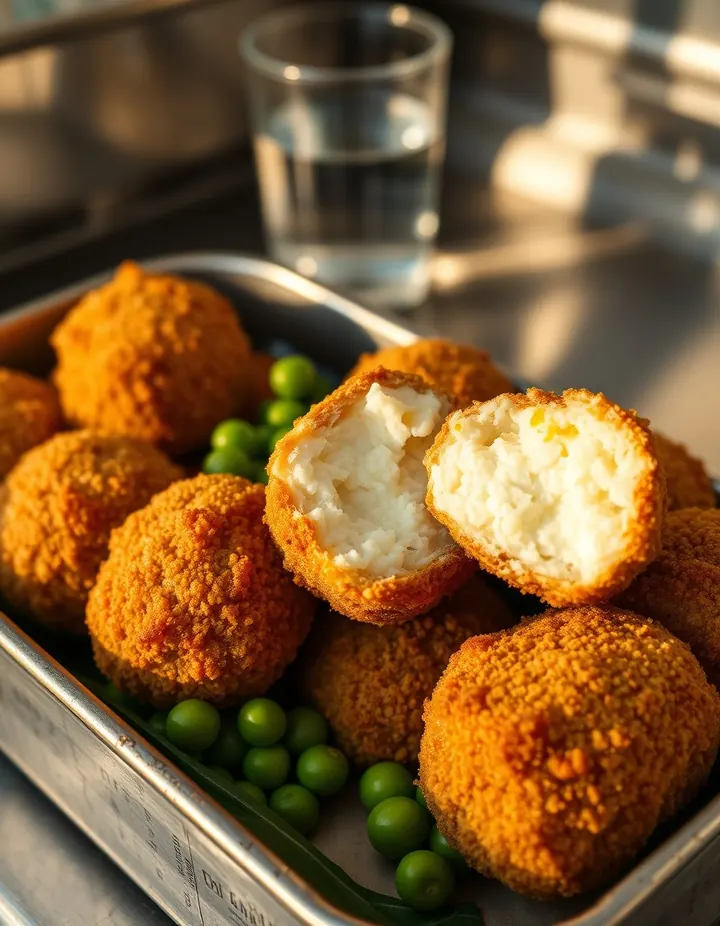 Potato Croquettes255 recipes
 Lemon Sauce236 recipes
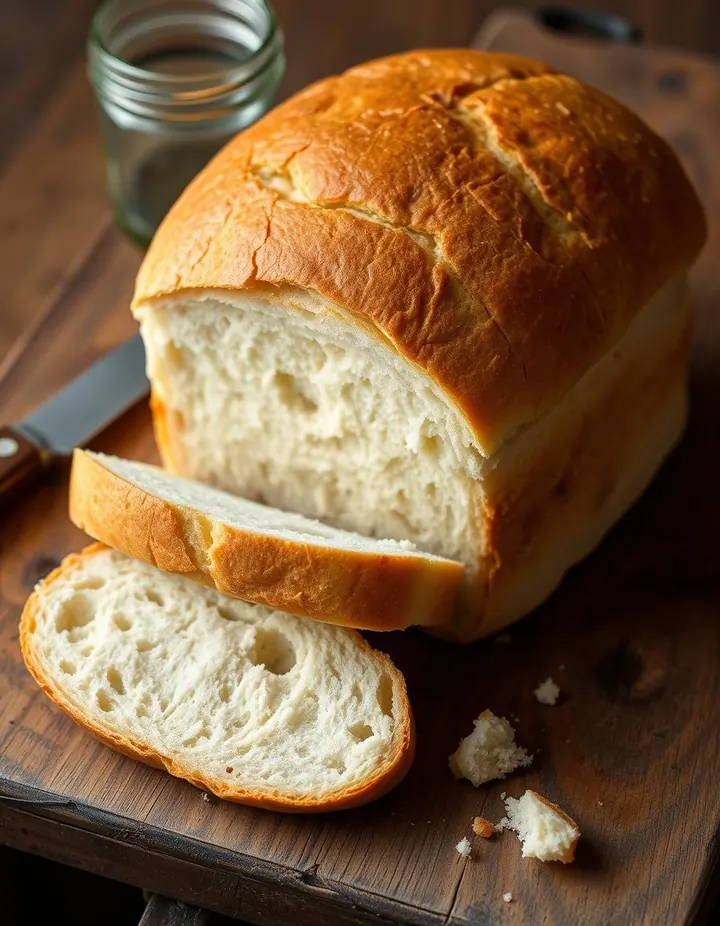 White Bread80 recipes
The free Flavor Lab newsletter: one surprising pairing a week and the molecular reason it works, in 60 seconds. No spam, unsubscribe anytime.
Prefer an account? Create a free account to save pairings and unlock the full chemistry.