Why it works: Fish and pepper are a kitchen classic. They rank in the top 21% of all ingredient pairs, and cooks put them together in 3,948 recipes. Both carry 2-nonenal, which smells fatty, green. The science ↓
Kipper, or Dried Salmon
Ingredients
Directions
Prepare the fish
Cut the fish along the back and remove the bone.
Wipe the fish clean with a cloth and score it.
After cleaning, sprinkle with salt and let it drain overnight.
Rub with 2-3 ounces of pounded saltpetre, if using.
Salt and dry
Sprinkle a handful of coarse sea salt on each side and let it sit for three days.
Hang the fish to dry; it will be ready in two days.
Cut into pieces and pack tightly in a pot with layers of salt.
If brine does not rise in a few days, boil a strong brine and pour it over the fish.
Serve
Before serving, sprinkle with black pepper and broil.
Transcribed from a scanned cookbook and modernised for today's kitchens. Where the book gave no heat or time, or said "a moderate oven", the temperatures and times here may be modern equivalents rather than the book's own figures.
Explore the science
The flavor team
The pairs that carry this dish. Each one is judged two ways: how much their aromas overlap, and how often cooks already put them together.
-
Fish + peppertop 21% of all pairsSmell alikemoderateCooked together3,948 recipes
Shared aroma: 2-nonenal (fatty, green).
Ranks compare each pair with 20,000 random ingredient pairs on CompKitchen. How we score pairs
What each ingredient does
- Salmon
- Its flesh is the main body that salt draws moisture from and firms as it dries.
- Coarse sea salt
- Draws out moisture and seasons the fish, slowing spoilage during curing.
- Pounded saltpetre
- Helps preserve the curing fish and gives it a characteristic colour.
The step that matters
Salting and packing in brine. Salt must fully penetrate and keep the fish submerged in brine; if the brine does not rise, the fish can spoil. Boiling a strong brine and pouring it over restores the protective liquid layer.
“What each ingredient does” and “The step that matters” were written by Claude from this recipe’s own method and reviewed in samples by CompKitchen.
More dried salmon recipes
You might also like
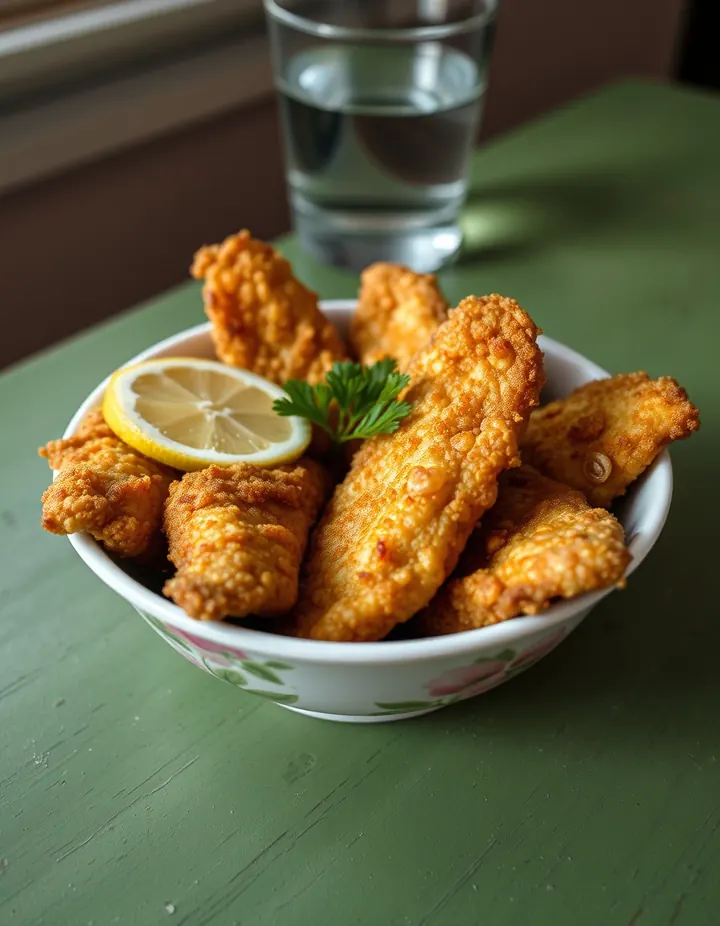 Fried Fish120 recipes
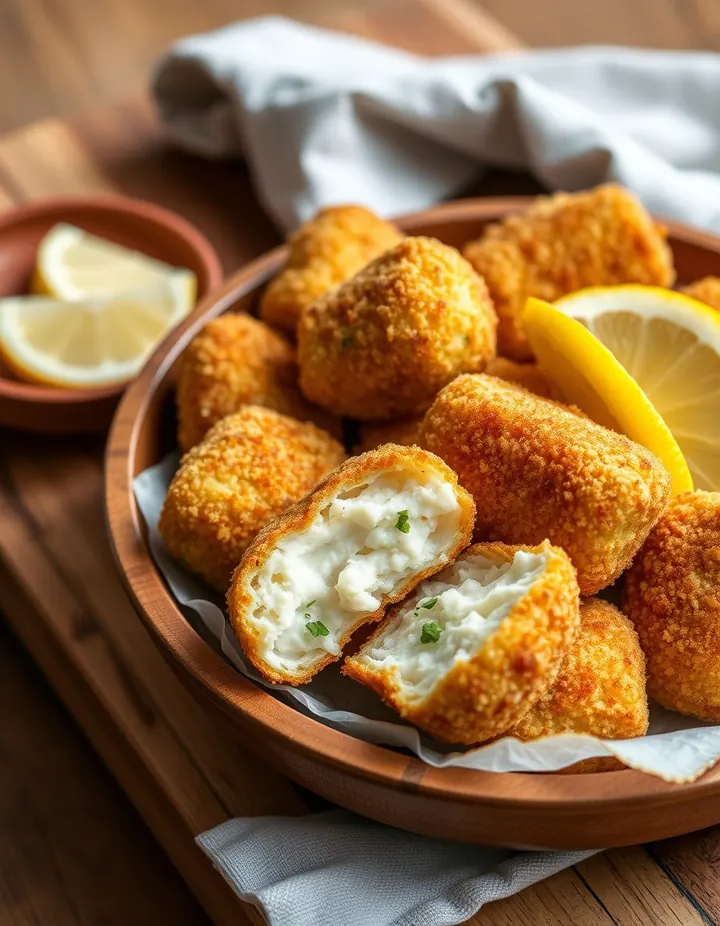 Fish Croquettes81 recipes
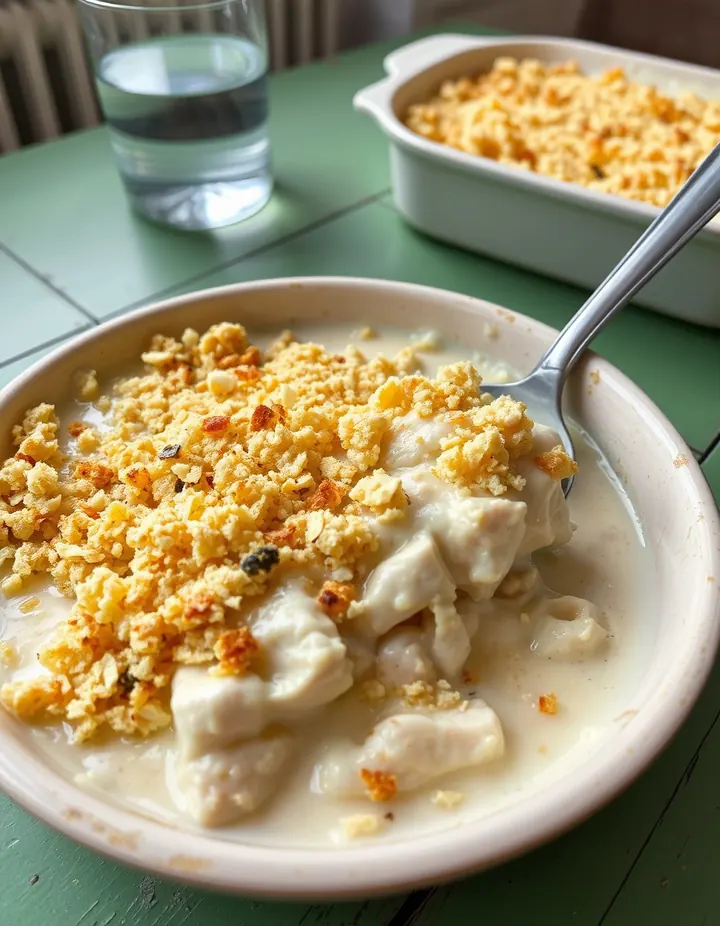 Scalloped Cod69 recipes
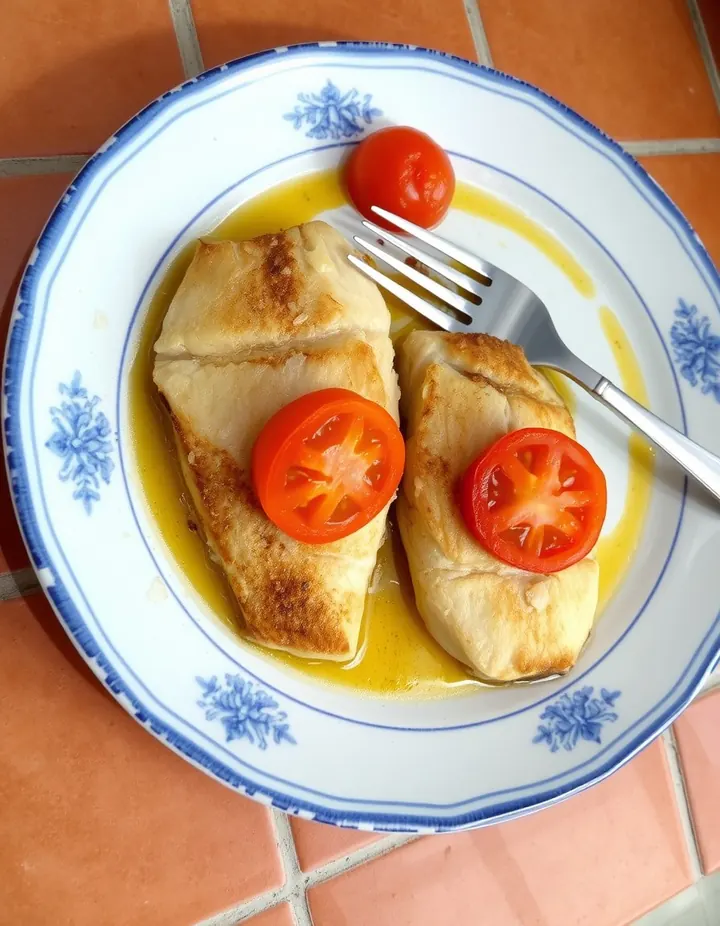 Broiled Fish68 recipes
The free Flavor Lab newsletter: one surprising pairing a week and the molecular reason it works, in 60 seconds. No spam, unsubscribe anytime.
Prefer an account? Create a free account to save pairings and unlock the full chemistry.