Why it works: Haddock and ketchup share more aroma than cooks usually use. They rank in the top 1% of all ingredient pairs, and cooks put them together in 23 recipes. Both carry ethanol, which smells alcoholic, ethereal. The science ↓
Baked Haddocks
Ingredients
Directions
The book gives no oven temperature. The 350°F (175°C) in the steps was added when the recipe was transcribed, as a starting point. The book gives no cooking times either; the times in the steps were added in transcription, so check for doneness rather than trusting the clock.
Make the stock
Simmer haddock heads and trimmings with onion, parsley, salt, pepper, and anchovies for 30 minutes.
Strain the stock.
Make the sauce
Melt butter in a saucepan and whisk in flour until smooth.
Gradually add the strained stock, stirring until thickened.
Stir in ketchup, vinegar, soy sauce, and white wine. Heat through.
Bake and serve
Place haddock pieces in a deep dish and pour the sauce over them.
Bake in a preheated oven at 350°F (175°C) for 20-25 minutes or until cooked through.
Transcribed from a scanned cookbook and modernised for today's kitchens. Where the book gave no heat or time, or said "a moderate oven", the temperatures and times here may be modern equivalents rather than the book's own figures.
Explore the science
The flavor team
The pairs that carry this dish. Each one is judged two ways: how much their aromas overlap, and how often cooks already put them together.
-
Haddock + ketchuptop 1% of all pairsSmell alikestrongCooked together23 recipes
Shared aroma: ethanol (alcoholic, ethereal).
-
Parsley + peppertop 2% of all pairsSmell alikestrongCooked together34,122 recipes
Shared aroma: 4'-methylacetophenone (bitter almond).
-
Onion + parsleytop 9% of all pairsSmell alikemoderateCooked together25,843 recipes
Shared aroma: 2,4-decadienal (seaweed).
-
Onion + peppertop 11% of all pairsSmell alikemoderateCooked together68,474 recipes
Shared aroma: 2-isopropyl-3-methoxypyrazine (earthy, pea).
-
Fish + buttertop 12% of all pairsSmell alikemoderateCooked together4,488 recipes
Shared aroma: (z)-4-heptenal (biscuit, cream).
Ranks compare each pair with 20,000 random ingredient pairs on CompKitchen. How we score pairs
What each ingredient does
- Haddock
- Provides the flaky white fish that cooks through in the sauce and forms the main body of the dish.
- Butter and flour
- Form a roux that thickens the stock into a smooth, coating sauce.
- Anchovies
- Add a salty, savoury depth to the stock that rounds out the sauce.
- White wine
- Adds acidity and aroma that brighten the rich sauce.
The step that matters
Whisking the flour into the melted butter. Flour must be fully incorporated into the fat before liquid is added; otherwise lumps form and the sauce thickens unevenly, because starch granules need to be coated by fat to disperse smoothly.
Swap the onion
How well each one fits the dish's main ingredients (fish, haddock, parsley, pepper, butter, flour, ketchup):
- Shallotfits better
- Chivefits better
- Potatofits better
- Onionthe original
Fit is the average pairing score against fish, haddock, parsley, pepper, butter, flour, ketchup. Candidates are from the same food group and used in at least 100 recipes.
“What each ingredient does” and “The step that matters” were written by Claude from this recipe’s own method and reviewed in samples by CompKitchen.
You might also like
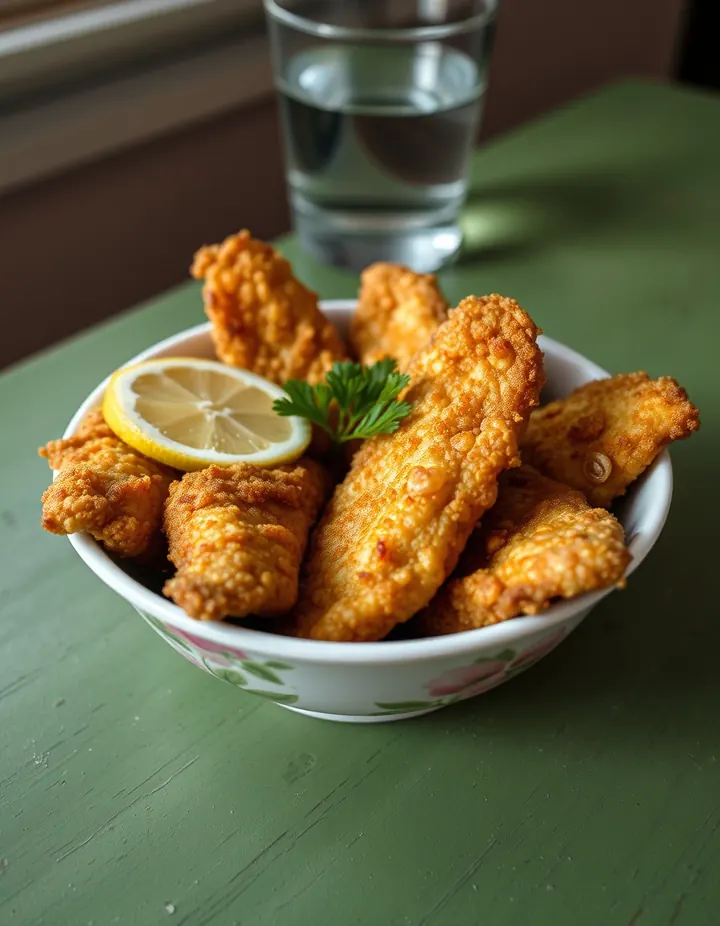 Fried Fish120 recipes
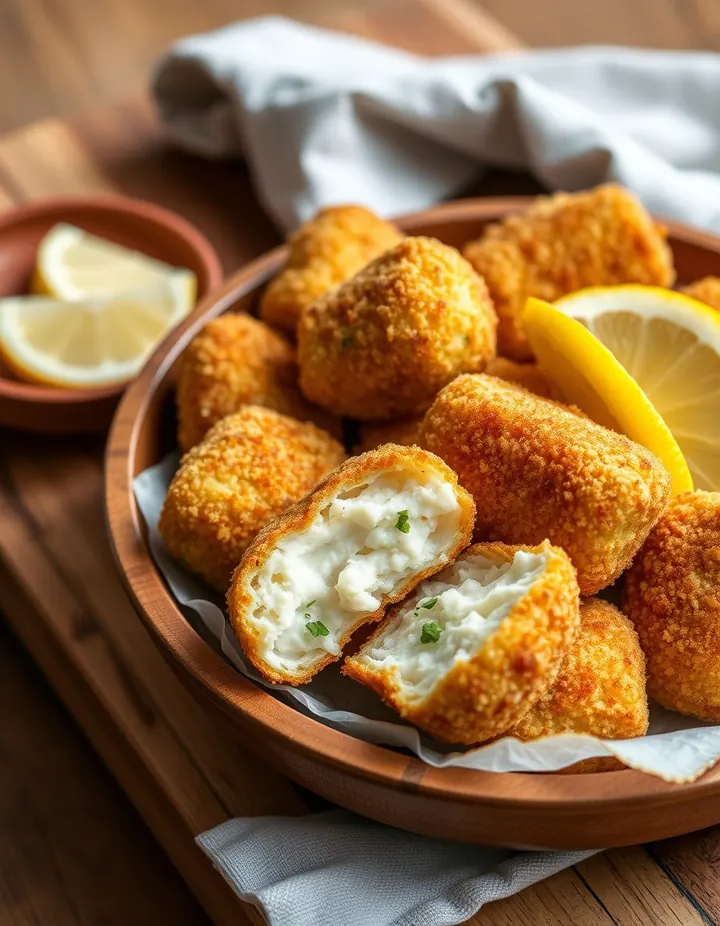 Fish Croquettes81 recipes
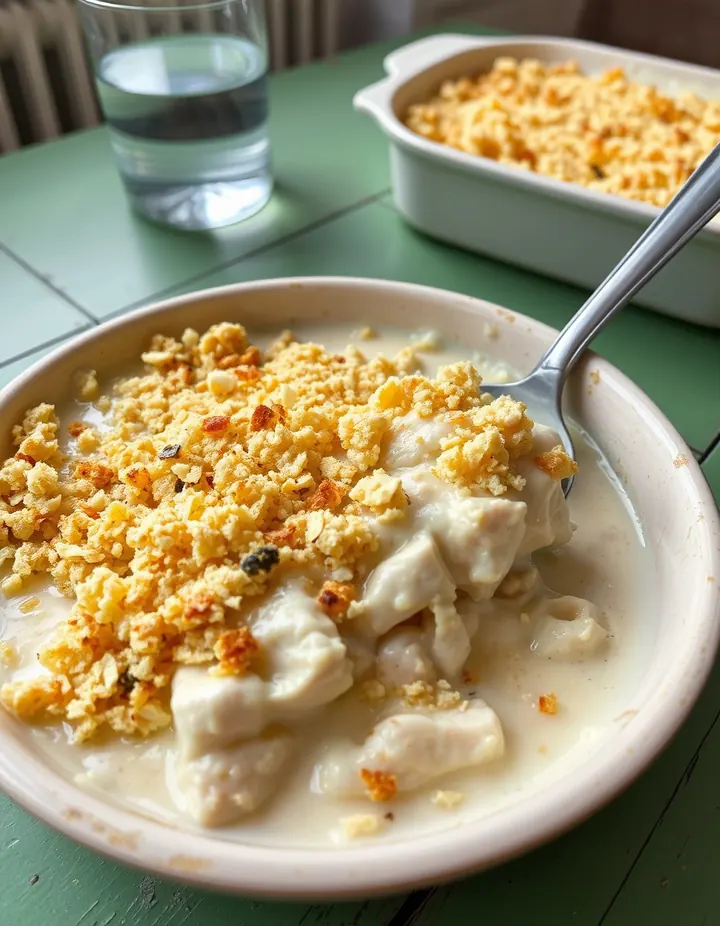 Scalloped Cod69 recipes
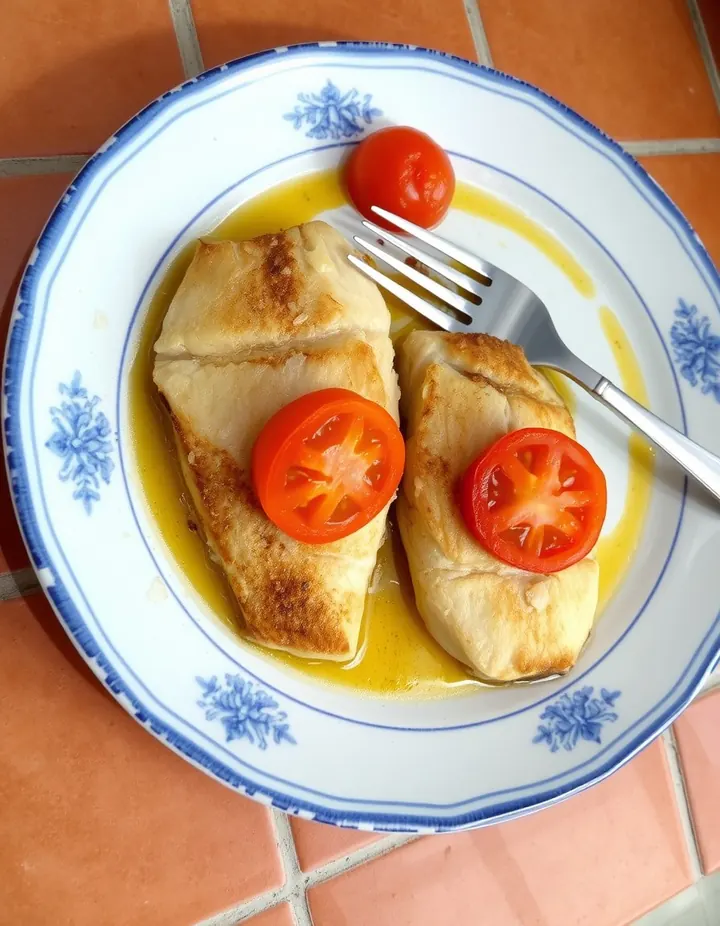 Broiled Fish68 recipes
The free Flavor Lab newsletter: one surprising pairing a week and the molecular reason it works, in 60 seconds. No spam, unsubscribe anytime.
Prefer an account? Create a free account to save pairings and unlock the full chemistry.