Why it works: Vinegar and port wine work together. They rank in the top 11% of all ingredient pairs, and cooks put them together in 598 recipes. Both carry 4-ethyl-2-methoxyphenol, which smells smoky, clove. The science ↓
To Bake Mackerel
Ingredients
Directions
The book gives no oven temperature. The 350°F (175°C) in the steps was added when the recipe was transcribed, as a starting point.
Prepare
Preheat the oven to 350°F (175°C).
Place the cleaned mackerel in a deep dish.
Pour equal amounts of water and vinegar over the fish.
Add whole black pepper, a pinch of mace, coarse sea salt, bay leaves, and port wine.
Cover and bake
Cover the dish with a buttered sheet of thick white paper.
Alternatively, season the mackerel with finely powdered pepper, salt, and mace.
Place bits of butter in the bottom of the dish and on top of the mackerel.
Bake until cooked through.
Serve
Serve hot with parsley and melted butter, or cold with vinegar.
Transcribed from a scanned cookbook and modernised for today's kitchens. Where the book gave no heat or time, or said "a moderate oven", the temperatures and times here may be modern equivalents rather than the book's own figures.
Explore the science
The flavor team
The pairs that carry this dish. Each one is judged two ways: how much their aromas overlap, and how often cooks already put them together.
-
Vinegar + port winetop 11% of all pairsSmell alikemoderateCooked together598 recipes
Shared aroma: 4-ethyl-2-methoxyphenol (smoky, clove).
-
Port wine + buttertop 13% of all pairsSmell alikemoderateCooked together1,499 recipes
Shared aroma: ethyl octanoate (fruity, wine).
-
Vinegar + peppertop 14% of all pairsSmell alikemoderateCooked together27,814 recipes
Shared aroma: 4'-methylacetophenone (bitter almond).
-
Mace + port winetop 15% of all pairsSmell alikelowCooked together695 recipes
Shared aroma: linalool (floral, citrus).
-
Pepper + macetop 16% of all pairsSmell alikelowCooked together12,257 recipes
Shared aroma: myristicin (spice, warm).
Pepper and mace barely smell alike, yet cooks put them together in 12,257 recipes: they work on texture and structure more than aroma.
Ranks compare each pair with 20,000 random ingredient pairs on CompKitchen. How we score pairs
What each ingredient does
- Mackerel
- The main fish, which becomes flaky and tender as its proteins set during baking.
- Vinegar
- Adds acidity that gives the fish a sharp, tangy flavour.
- Butter
- Adds richness and moisture as it melts over the fish.
- Port wine
- Adds sweetness and depth of flavour to the fish.
- Bay leaves
- Add a subtle herbal aroma to the cooking liquid.
- Black pepper
- Adds a sharp, warm aroma and gentle heat.
The step that matters
Bake until cooked through. Mackerel turns dry and tough once overcooked, as its proteins tighten past the point of doneness. Checking the fish early and keeping the buttered paper over the dish traps steam, which helps it stay moist.
Swap the mace
How well each one fits the dish's main ingredients (vinegar, pepper, port wine, butter):
- Tarragonfits better
- Parsleyfits better
- Clovefits better
- Macethe original
Fit is the average pairing score against vinegar, pepper, port wine, butter. Candidates are from the same food group and used in at least 100 recipes.
“What each ingredient does” and “The step that matters” were written by Claude from this recipe’s own method and reviewed in samples by CompKitchen.
More baked mackerel recipes
You might also like
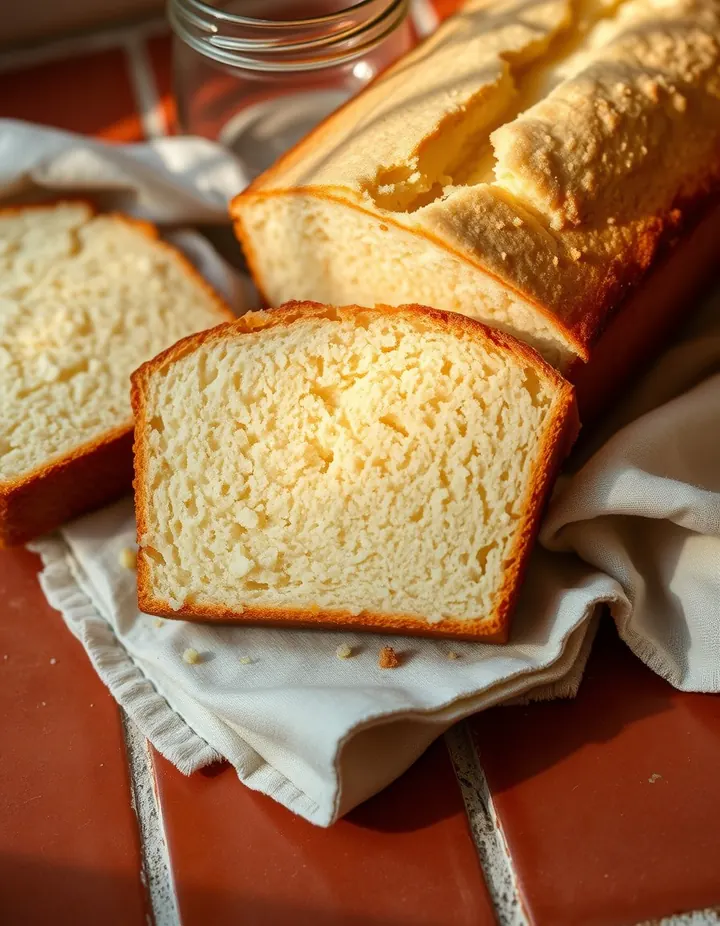 Delicate Cake246 recipes
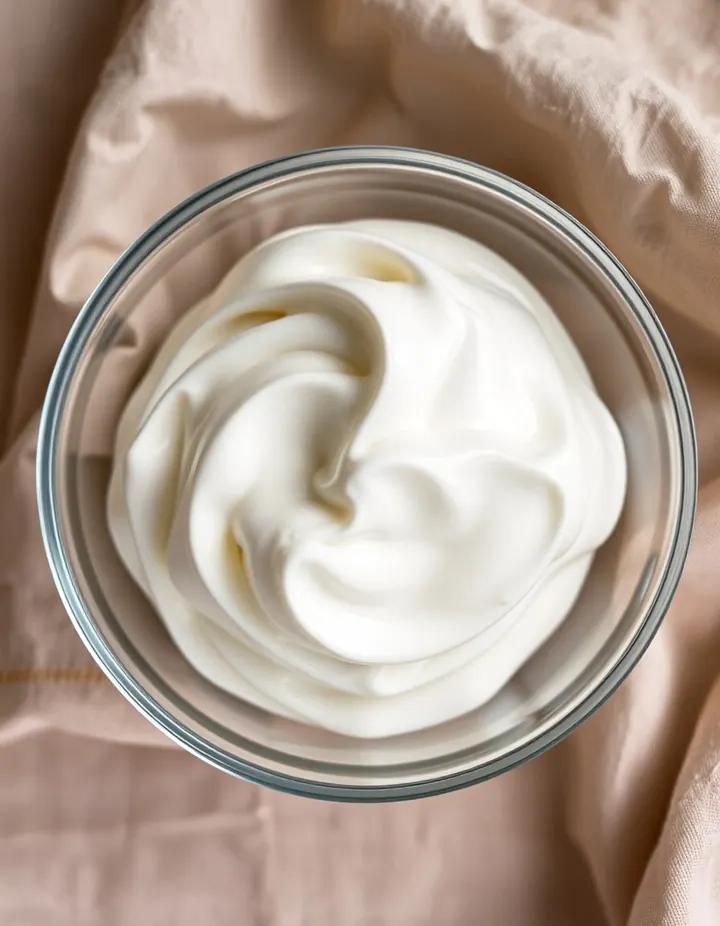 Boiled Frosting69 recipes
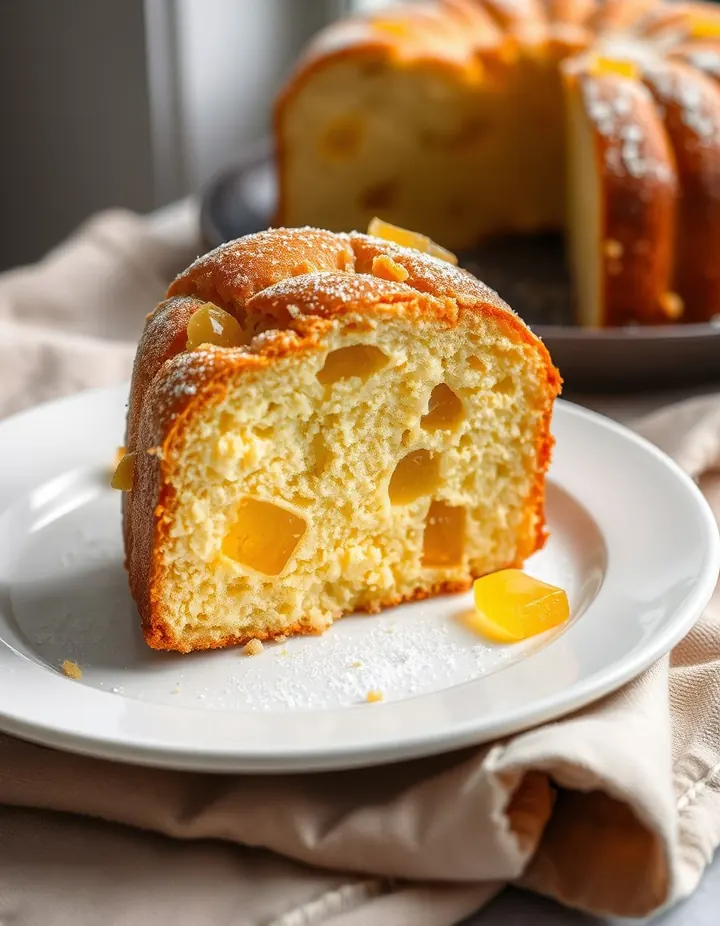 Citron Cake68 recipes
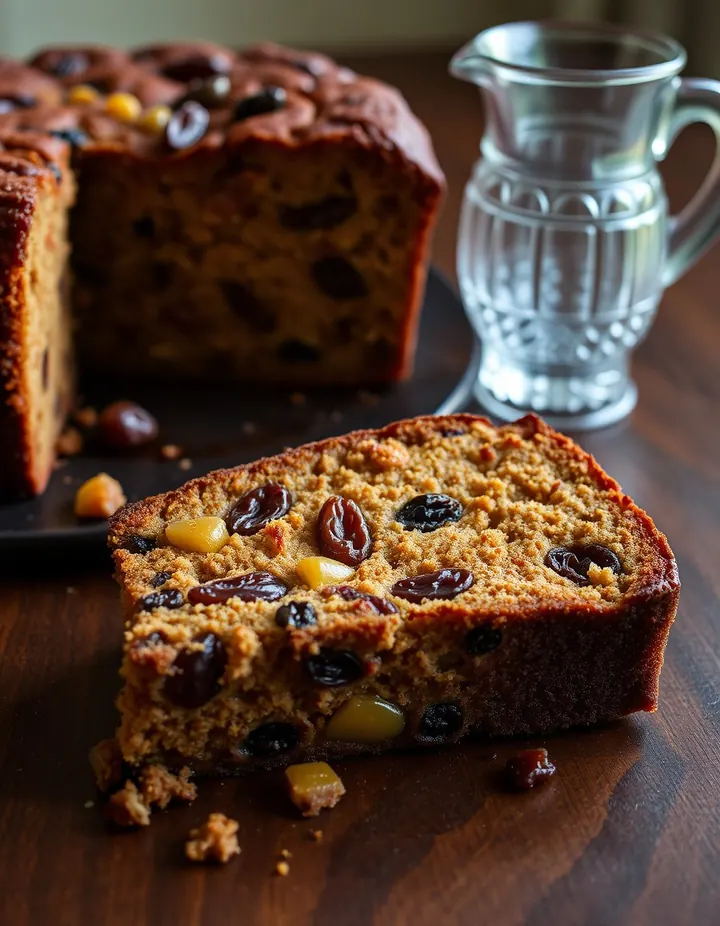 Scotch Cake63 recipes
The free Flavor Lab newsletter: one surprising pairing a week and the molecular reason it works, in 60 seconds. No spam, unsubscribe anytime.
Prefer an account? Create a free account to save pairings and unlock the full chemistry.