Why it works: Lemon and ginger match in chemistry and in kitchens. They rank in the top 5% of all ingredient pairs, and cooks put them together in 5,154 recipes. Both carry beta-phellandrene, which smells minty, terpene. The science ↓
Ginger Wine
Ingredients
Directions
Prepare the syrup
Boil the sugar and bruised ginger with the water for 30 minutes.
Let the mixture stand until the next day.
After a night, pour the clear part of the boiled liquid over the fruit mixture, leaving the sediment behind.
Make the wine
Pare the fruit very thin and add the strained juice and half the peel to a cask.
Pour in 2.5 gallons of whisky or other spirit.
To improve the color, dilute 1 tablespoon of burnt sugar with a portion of the liquor before filling the cask.
Bung the cask immediately and let it sit for two weeks.
Finish
After two weeks, fine the mixture and then bottle it.
Transcribed from a scanned cookbook and modernised for today's kitchens. Where the book gave no heat or time, or said "a moderate oven", the temperatures and times here may be modern equivalents rather than the book's own figures.
Explore the science
The flavor team
The pairs that carry this dish. Each one is judged two ways: how much their aromas overlap, and how often cooks already put them together.
-
Lemon + gingertop 5% of all pairsSmell alikestrongCooked together5,154 recipes
Shared aroma: beta-phellandrene (minty, terpene).
-
Ginger + whiskytop 13% of all pairsSmell alikelowCooked together163 recipes
Shared aroma: isoamyl acetate (banana, pear).
-
Sugar + gingertop 17% of all pairsSmell alikelowCooked together14,054 recipes
Shared aroma: 1-penten-3-one (fish, pungent).
-
Sugar + lemontop 18% of all pairsSmell alikelowCooked together53,532 recipes
Shared aroma: 2-nonenal (fatty, green).
-
Bitter orange + lemontop 19% of all pairsSmell alikelowCooked together21 recipes
Shared aroma: (e,e)-2,4-decadienal (fatty, deep fried).
Sugar and ginger barely smell alike, yet cooks put them together in 14,054 recipes: they work on texture and structure more than aroma.
Ranks compare each pair with 20,000 random ingredient pairs on CompKitchen. How we score pairs
What each ingredient does
- Sugar
- Provides sweetness and body, and feeds the fermentation or aging balance in the finished drink.
- Bitter oranges
- Adds acidity and aromatic bitterness from the juice and peel.
- Lemons
- Adds acidity and bright citrus flavor from the juice.
- Ginger
- Adds warm, spicy aroma and flavor.
- Whisky or other spirit
- Adds alcohol, which preserves the wine and carries the fruit and ginger aromas.
The step that matters
Bung the cask immediately. Leaving the cask open lets air and contaminating microbes reach the liquid, which can spoil the wine or let it oxidize. Sealing it straight after filling keeps the mixture protected while it rests.
Swap the bitter orange
How well each one fits the dish's main ingredients (sugar, lemon, ginger, whisky):
- Orangefits better
- Limefits better
- Applefits better
- Bitter orangethe original
Fit is the average pairing score against sugar, lemon, ginger, whisky. Candidates are from the same food group and used in at least 100 recipes.
“What each ingredient does” and “The step that matters” were written by Claude from this recipe’s own method and reviewed in samples by CompKitchen.
You might also like
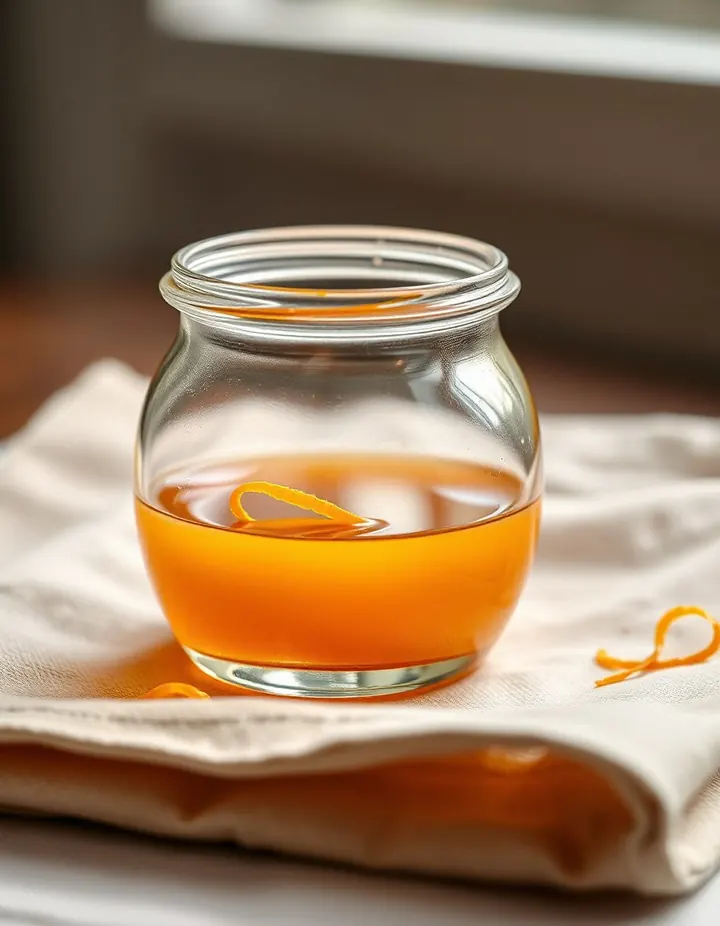 Orange Syrup47 recipes
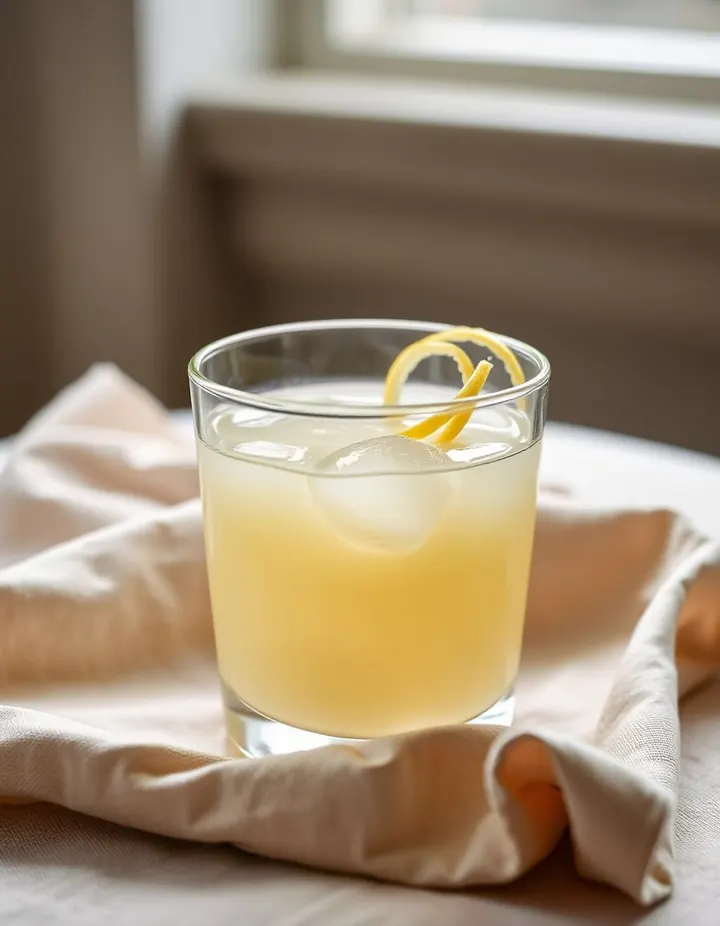 Lemon Whey33 recipes
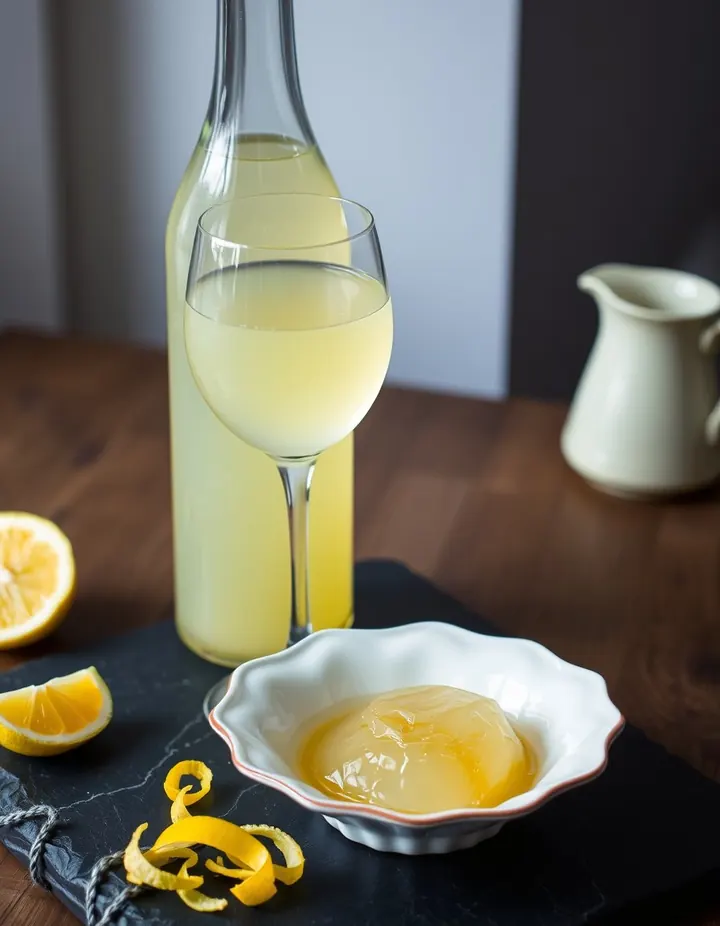 Lemon Wine31 recipes
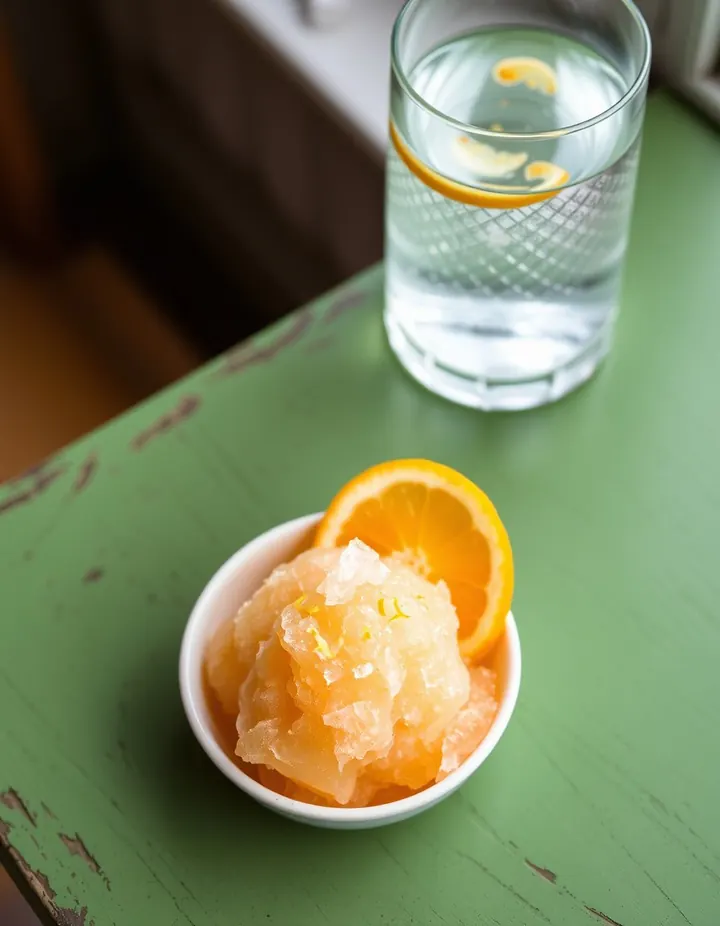 Orange Water Ice28 recipes
The free Flavor Lab newsletter: one surprising pairing a week and the molecular reason it works, in 60 seconds. No spam, unsubscribe anytime.
Prefer an account? Create a free account to save pairings and unlock the full chemistry.