Why it works: Orange and sugar are a kitchen classic. They rank in the top 20% of all ingredient pairs, and 19,212 recipes mention both. Both carry beta-damascenone, which smells apple, rose. The science ↓
Orange Jelly— E. R.
Ingredients
Directions
Prepare the juice
Peel the oranges very thin.
Squeeze the juice over the rind, avoiding prolonged contact to prevent bitterness.
If the oranges are very sweet, add the juice of a Seville orange or lemon.
Make the jelly
Dissolve the isinglass in a small amount of water.
Melt the sugar.
Let the syrup and isinglass cool.
Mix the cooled syrup and isinglass with the orange juice.
Strain the mixture into a mold.
Transcribed from a scanned cookbook and modernised for today's kitchens. Where the book gave no heat or time, or said "a moderate oven", the temperatures and times here may be modern equivalents rather than the book's own figures.
Explore the science
The flavor team
The pairs that carry this dish. Each one is judged two ways: how much aroma chemistry they share, and how many recipes mention both.
-
Orange + sugartop 20% of all pairsAroma overlaplowMentioned together19,212 recipes
Shared aroma: beta-damascenone (apple, rose).
Orange and sugar share little aroma chemistry, yet 19,212 recipes mention both: they likely work on texture and structure more than aroma.
Ranks compare each pair with 20,000 random ingredient pairs on CompKitchen. How we score pairs
What each ingredient does
- Oranges
- Provide the main flavour and the juice that forms the body of the jelly.
- Isinglass
- Gelatin-like setting agent that firms the juice into a sliceable jelly as it cools.
- Loaf sugar
- Sweetens the juice and balances its acidity while helping the jelly hold its set.
The step that matters
Squeeze the juice over the rind, avoiding prolonged contact. Long contact between juice and rind, especially the pith, draws out bitter compounds that will carry into the finished jelly. Keeping the rind contact brief keeps the flavour clean.
“What each ingredient does” and “The step that matters” were written by Claude from this recipe’s own method and reviewed in samples by CompKitchen.
More orange jelly recipes
You might also like
 Orange Bundt Cake349 recipes
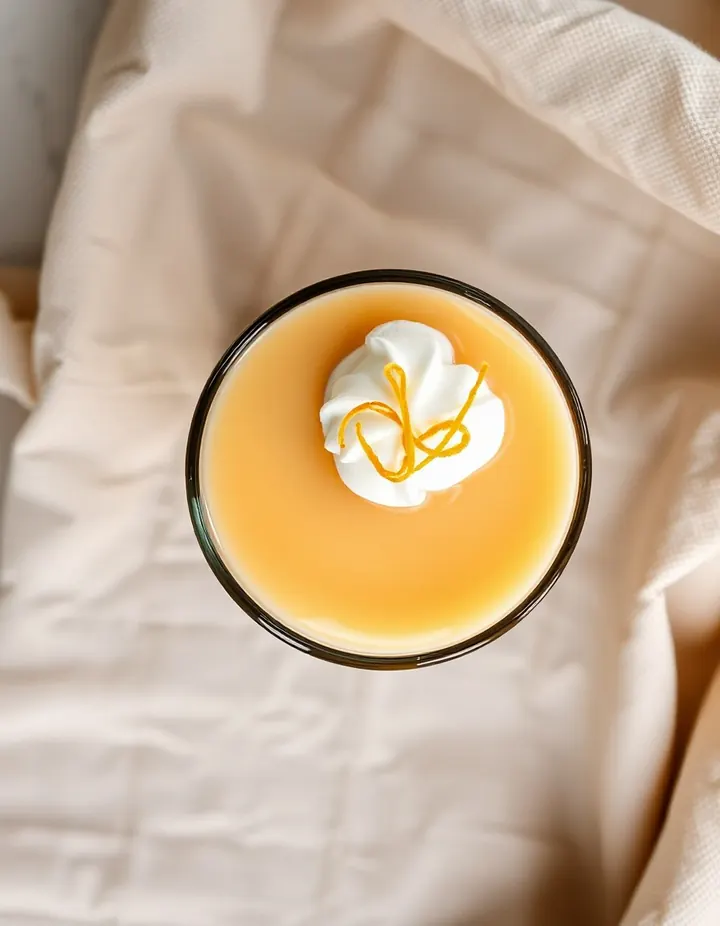 Orange Cream Rice Pudding121 recipes
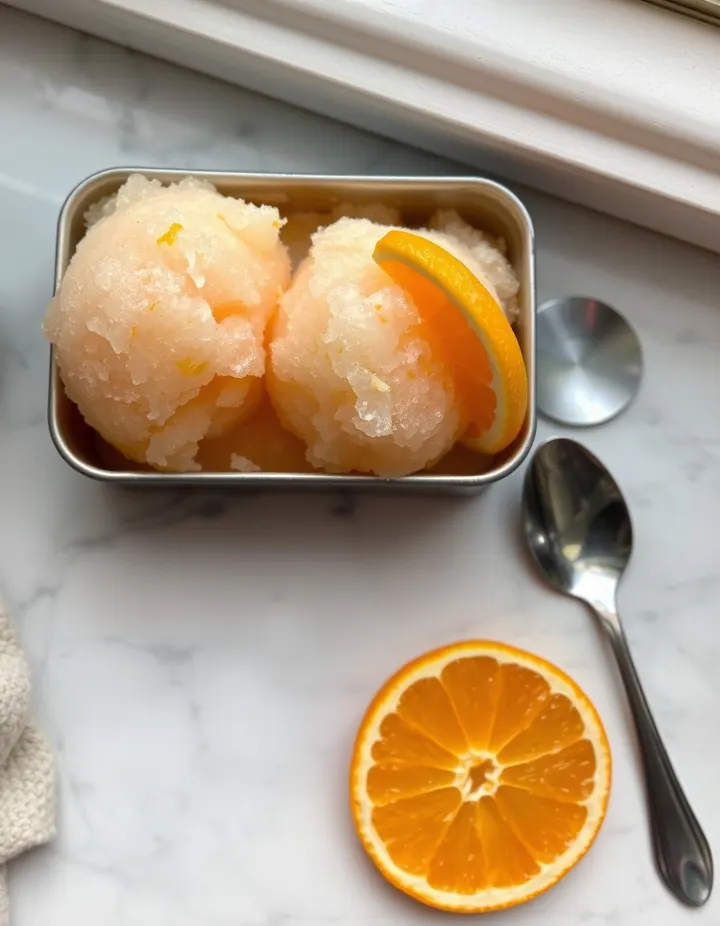 Orange Gelatin100 recipes
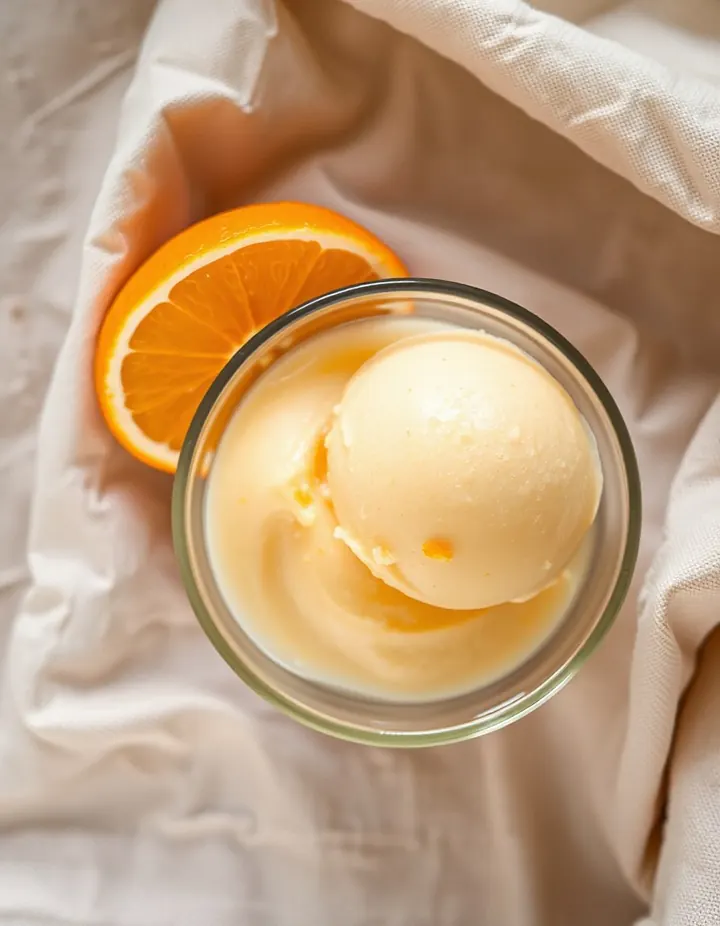 Orange Sherbet73 recipes
The Sunday pairing: one pairing, the chemistry behind it, and how to cook it. No spam, unsubscribe anytime.
Prefer an account? Create a free account for sign-in; Pro adds the full results and chemistry.