Capital Sugar Vinegar
Ingredients
Directions
Make the sugar water
Boil spring water and sugar together, skimming off any scum that rises.
Pour the mixture into a vessel and let it cool.
Ferment
Add a toast spread with yeast proportional to the quantity.
Let it ferment for 1-2 days, then beat the yeast into the mixture.
Transfer to a barrel with a tile or slate over the bung-hole, placing it in a sunny spot.
Make it in March or early April; it will be ready by July or August.
If not sour enough, let it stand for another month before bottling.
Transcribed from a scanned cookbook and modernised for today's kitchens. Where the book gave no heat or time, or said "a moderate oven", the temperatures and times here may be modern equivalents rather than the book's own figures.
Explore the science
What each ingredient does
- Coarse sugar
- Provides the sugar that yeast ferments into acid and alcohol, forming the vinegar base.
- Yeast on toast
- Supplies the microorganisms that drive the fermentation converting the sweet liquid into sour vinegar.
The step that matters
Checking sourness before bottling. Vinegar fermentation is slow and variable with temperature and sun exposure, so the mixture may need extra standing time to reach full sourness before it is safe to bottle and use.
“What each ingredient does” and “The step that matters” were written by Claude from this recipe’s own method and reviewed in samples by CompKitchen.
You might also like
 Vegetable Soup350 recipes
 Raspberry Vinegar214 recipes
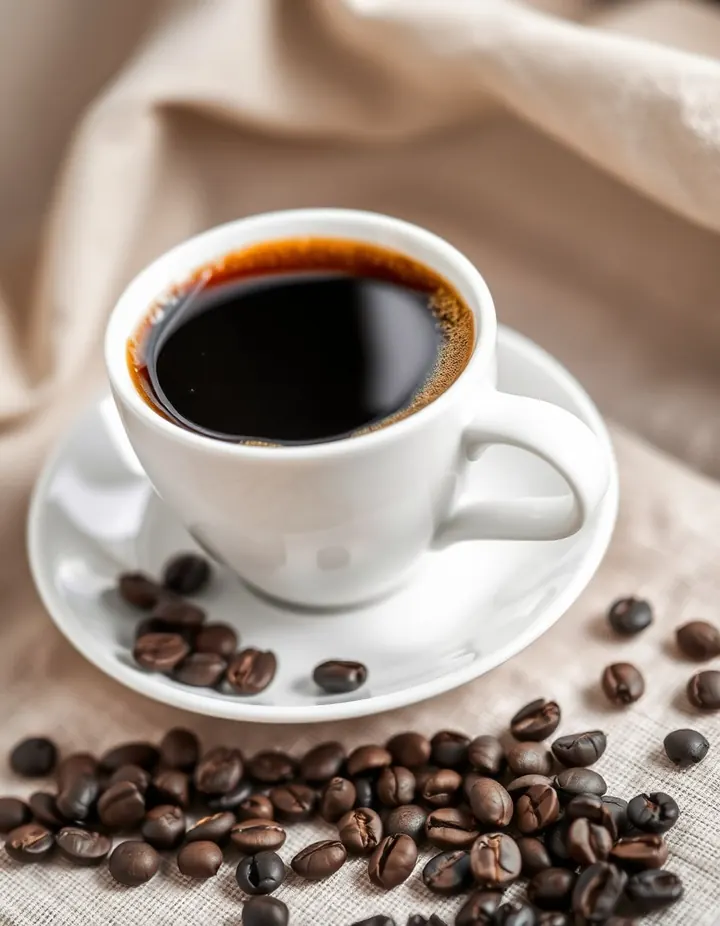 Brown Coffee with Egg175 recipes
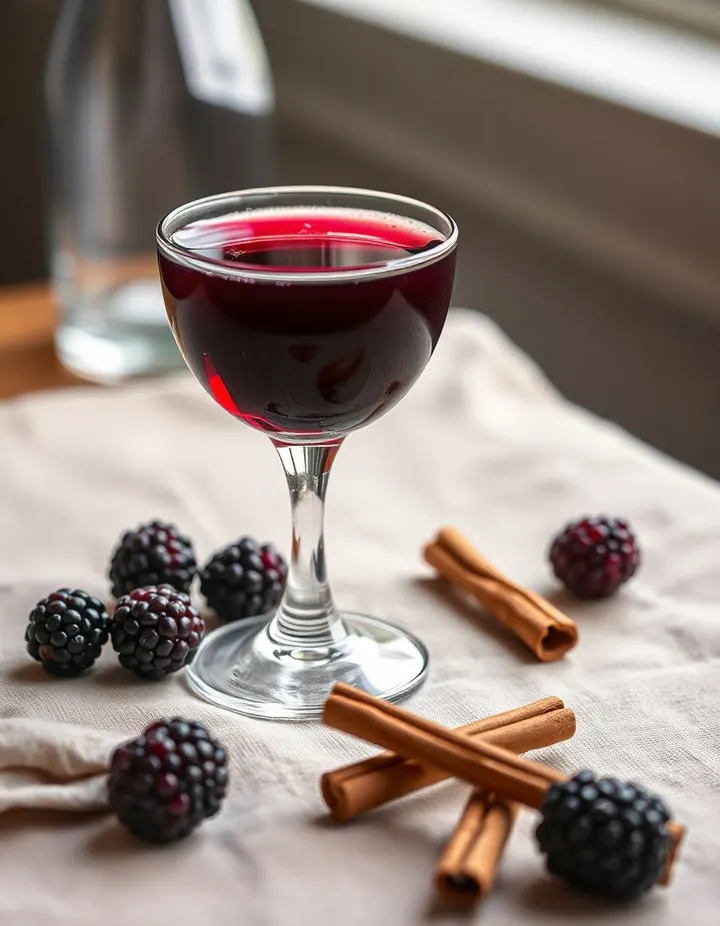 Blackberry Cordial129 recipes
The free Flavor Lab newsletter: one surprising pairing a week and the molecular reason it works, in 60 seconds. No spam, unsubscribe anytime.
Prefer an account? Create a free account to save pairings and unlock the full chemistry.