Why it works: Coconut and tamarind match in chemistry and in kitchens. They rank in the top 4% of all ingredient pairs, and cooks put them together in 151 recipes. Both carry gamma-nonanolactone, which smells coconut, creamy. The science ↓
Curried Oysters
Ingredients
Directions
Prepare the base
Open the oysters into a basin, keeping their liquor.
In a saucepan, melt 4 tablespoons of butter over medium heat.
Add the sliced onion and fry until rich brown.
Stir in more butter and the curry powder, mixing well.
Gradually add hot water or broth, cover, and bring to a boil.
Simmer and finish
Add grated coconut and sour tamarinds or chopped apple, and simmer until tender.
Mix in the thickening and salt, then boil for 5 minutes.
Add the boiled vegetable marrow and tomatoes, if using.
Stir in the oysters with their liquor and coconut milk, and simmer gently.
Finish with the strained juice of half a lemon, stirring occasionally.
Transcribed from a scanned cookbook and modernised for today's kitchens. Where the book gave no heat or time, or said "a moderate oven", the temperatures and times here may be modern equivalents rather than the book's own figures.
Explore the science
The flavor team
The pairs that carry this dish. Each one is judged two ways: how much their aromas overlap, and how often cooks already put them together.
-
Coconut + tamarindtop 4% of all pairsSmell alikestrongCooked together151 recipes
Shared aroma: gamma-nonanolactone (coconut, creamy).
-
Tamarind + tomatotop 7% of all pairsSmell alikestrongCooked together137 recipes
Shared aroma: 3-hexenal (apple, fruity).
-
Onion + tomatotop 8% of all pairsSmell alikemoderateCooked together20,633 recipes
Shared aroma: 2-isopropyl-3-methoxypyrazine (earthy, pea).
-
Onion + tamarindtop 11% of all pairsSmell alikestrongCooked together426 recipes
Shared aroma: furaneol (caramel, strawberry).
-
Coconut + tomatotop 11% of all pairsSmell alikemoderateCooked together511 recipes
Shared aroma: decanal (soap, orange peel).
Ranks compare each pair with 20,000 random ingredient pairs on CompKitchen. How we score pairs
What each ingredient does
- Oysters
- Provide the main seafood flavour and tender texture when gently simmered in the sauce.
- Onion
- Frying until rich brown builds sweetness and depth as the base of the sauce.
- Curry powder
- Blooms in the butter to release aroma and give the dish its spiced flavour.
- Grated coconut
- Adds body, richness and sweetness to the simmered sauce.
- Thickening of flour and water
- Thickens the liquid into a smooth sauce as it boils.
- Tamarinds or sour apple
- Adds acidity that balances the richness of the coconut and butter.
The step that matters
Boiling the thickening with the salt. Flour thickens only when boiled, so the mixture must reach a full boil and stay there for 5 minutes to cook out raw flour taste and set the sauce smoothly.
Swap the tomato
How well each one fits the dish's main ingredients (oyster, butter, onion, coconut, meat, tamarind, flour):
- Shallotfits better
- Okrafits better
- Potatofits better
- Tomatothe original
Fit is the average pairing score against oyster, butter, onion, coconut, meat, tamarind, flour. Candidates are from the same food group and used in at least 100 recipes.
“What each ingredient does” and “The step that matters” were written by Claude from this recipe’s own method and reviewed in samples by CompKitchen.
You might also like
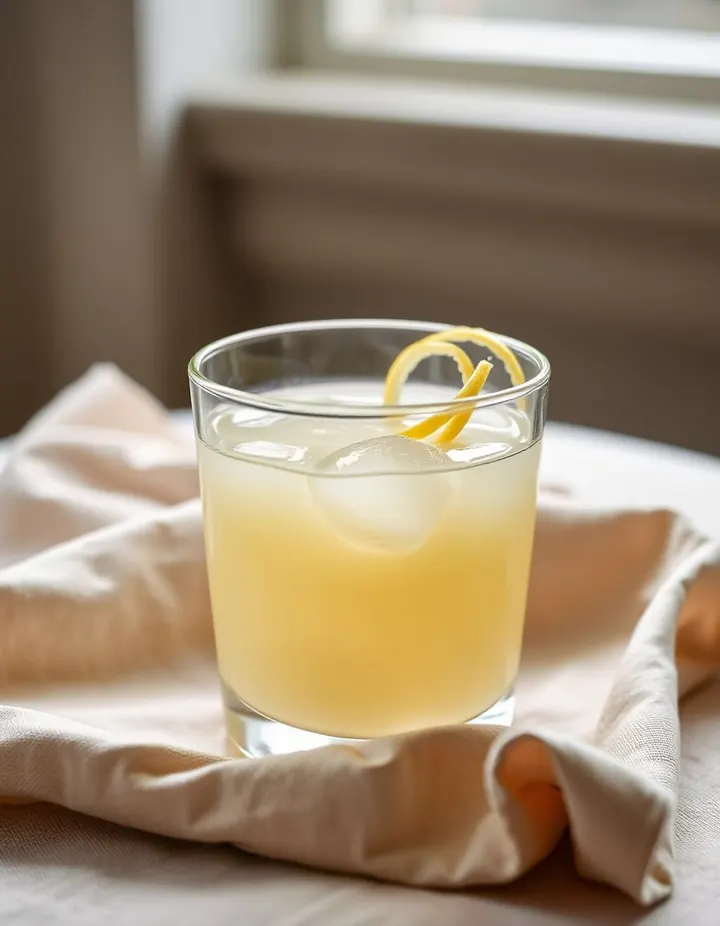 Lemon Whey33 recipes
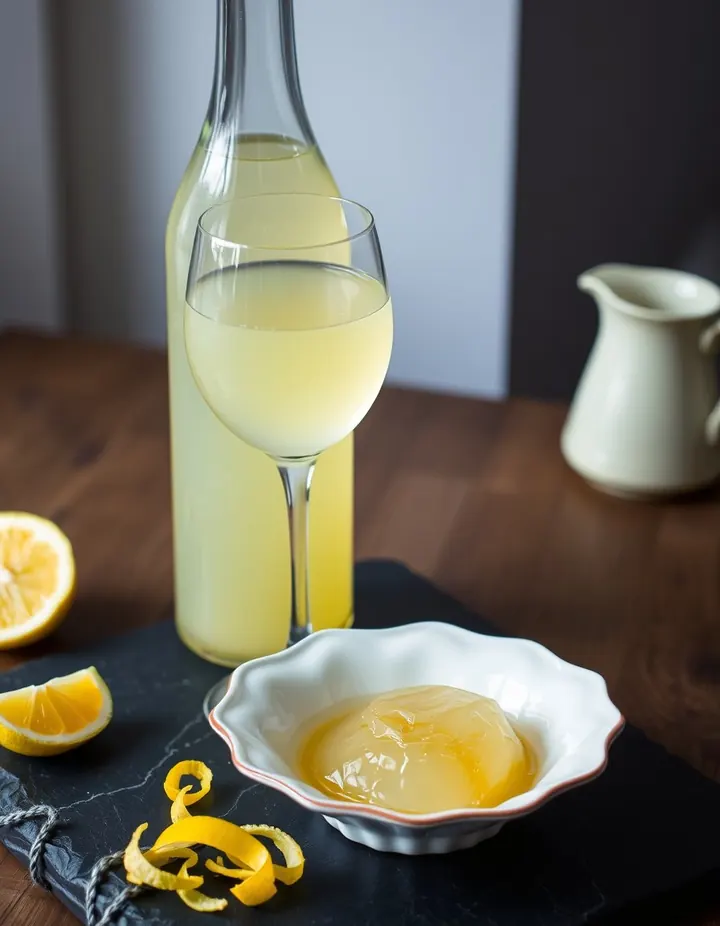 Lemon Wine31 recipes
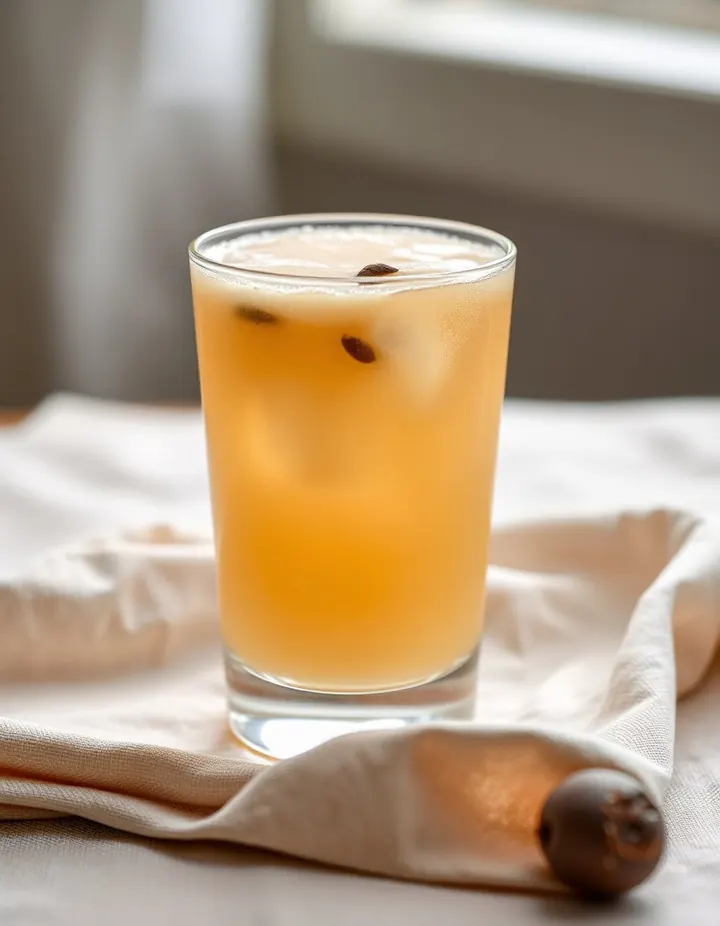 Tamarind Milk12 recipes
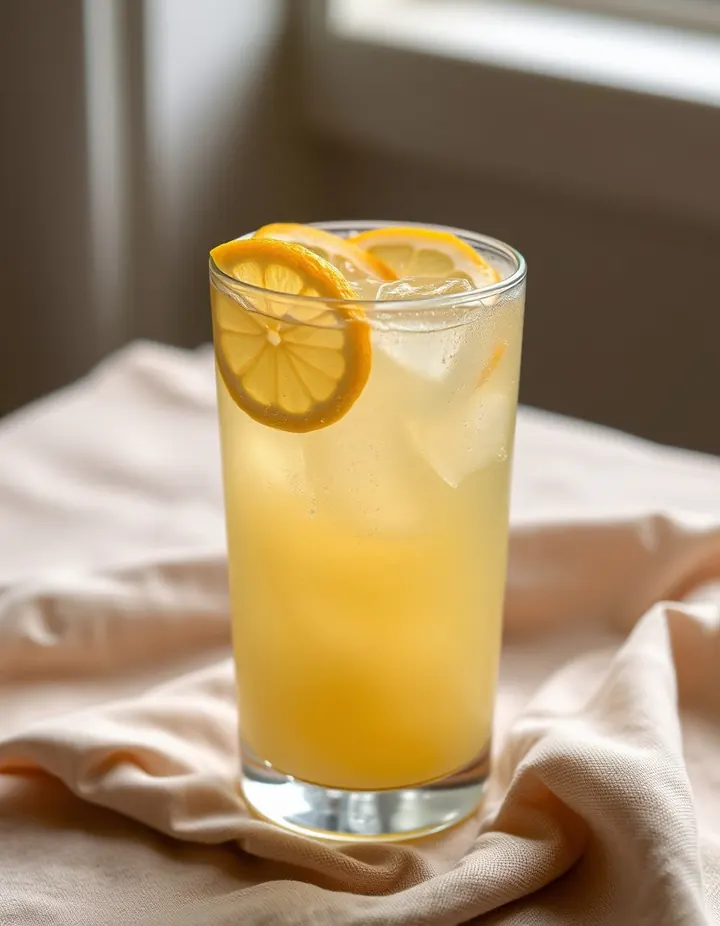 Lemon Squash10 recipes
The free Flavor Lab newsletter: one surprising pairing a week and the molecular reason it works, in 60 seconds. No spam, unsubscribe anytime.
Prefer an account? Create a free account to save pairings and unlock the full chemistry.