Why it works: Rice and bread are a kitchen classic. They rank in the top 13% of all ingredient pairs, and cooks put them together in 1,259 recipes. Both carry 2-acetyl-1-pyrroline, which smells popcorn, roasted. The science ↓
Moulded Rice Casserole
Ingredients
Directions
The book says “a quick oven”. The 400°F (200°C) in the steps is the modern equivalent, not the book's own figure.
Prepare the mould
Boil the rice until tender, then mash it with a strong wooden spoon against the sides of the pot until smooth.
Allow the rice to cool, then shape it into a mould like a raised pie using your hands.
Decorate the mould with a design made from a pointed carrot.
Fill and bake
If using, cut the bread to fit the inside of the mould, leaving a thick crust.
Fill the mould with the gravy and any additional ingredients, then bake in a 400°F (200°C) oven until golden.
Transcribed from a scanned cookbook and modernised for today's kitchens. Where the book gave no heat or time, or said "a moderate oven", the temperatures and times here may be modern equivalents rather than the book's own figures.
Explore the science
The flavor team
The pairs that carry this dish. Each one is judged two ways: how much their aromas overlap, and how often cooks already put them together.
-
Rice + breadtop 13% of all pairsSmell alikemoderateCooked together1,259 recipes
Shared aroma: 2-acetyl-1-pyrroline (popcorn, roasted).
Ranks compare each pair with 20,000 random ingredient pairs on CompKitchen. How we score pairs
What each ingredient does
- Rice
- Forms the mould once mashed smooth, giving the casserole its structure and body.
- Gravy
- Supplies moisture and savoury flavour to the filling, keeping it from drying out in the oven.
- Bread
- Adds bulk and absorbs liquid in the filling when used, optional in this dish.
The step that matters
Mashing the cooked rice until smooth. Well-cooked rice that is thoroughly mashed becomes sticky and binds into a firm shape that holds when cooled. Unmashed or undercooked grains stay loose and can crumble when the mould is shaped and filled.
“What each ingredient does” and “The step that matters” were written by Claude from this recipe’s own method and reviewed in samples by CompKitchen.
You might also like
 Brown Bread461 recipes
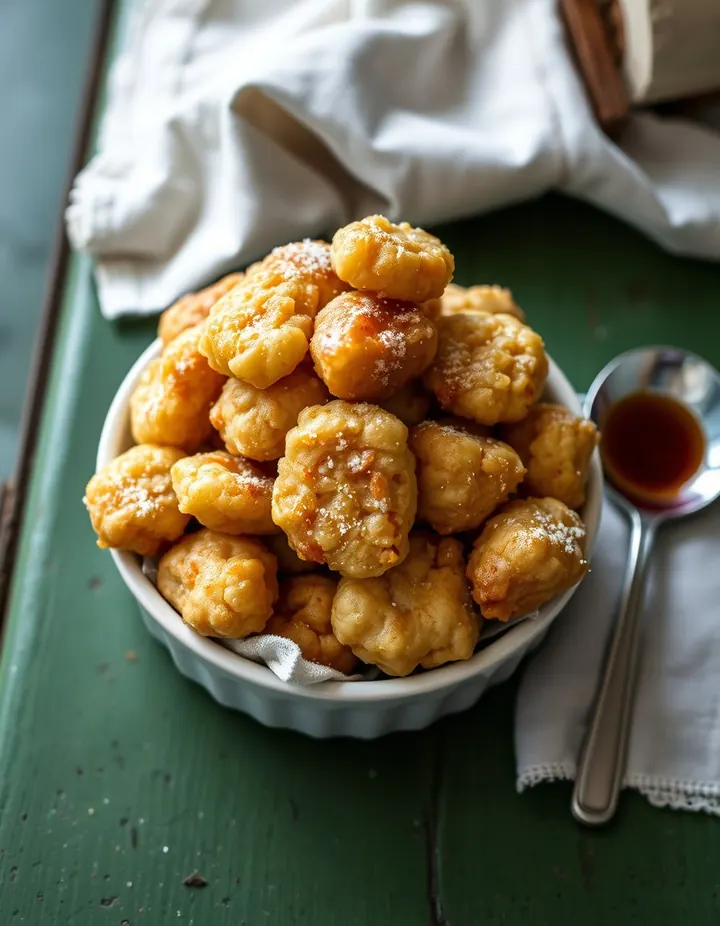 Rice Fritters84 recipes
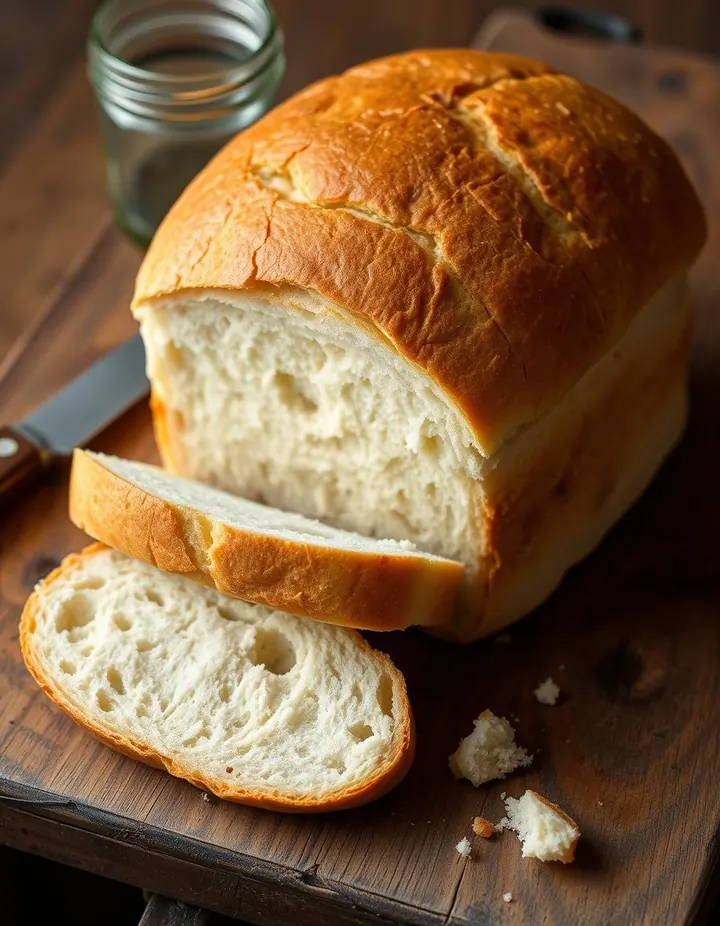 White Bread80 recipes
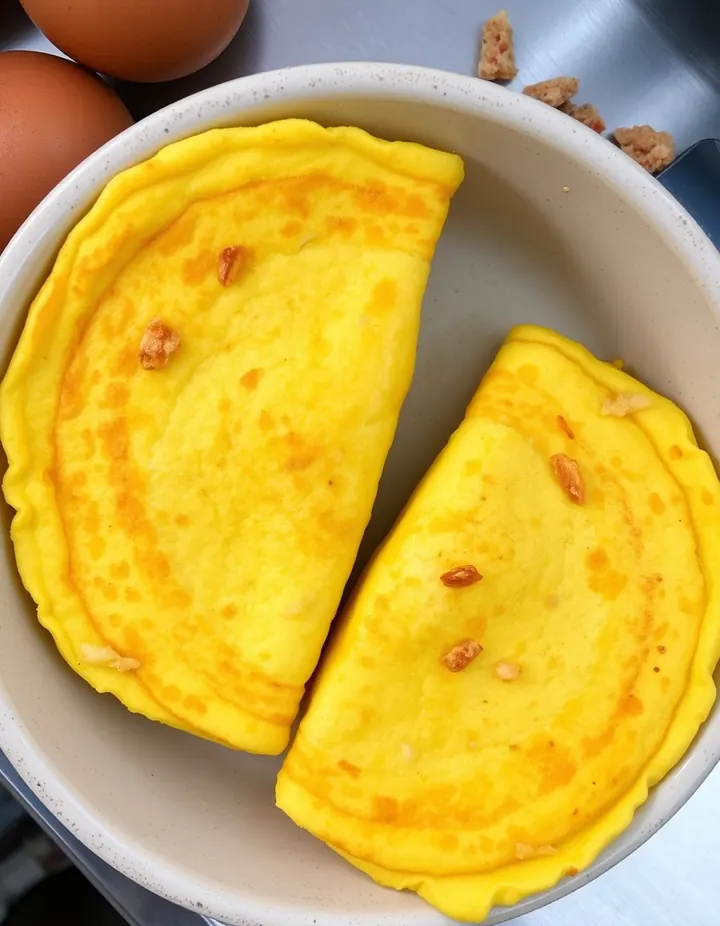 Bread Omelette60 recipes
The free Flavor Lab newsletter: one surprising pairing a week and the molecular reason it works, in 60 seconds. No spam, unsubscribe anytime.
Prefer an account? Create a free account to save pairings and unlock the full chemistry.