Why it works: Raisin and sugar are a kitchen classic. They rank in the top 13% of all ingredient pairs, and cooks put them together in 12,481 recipes. Both carry beta-damascenone, which smells apple, rose. The science ↓
Improved Raisin Wine
Ingredients
Directions
Prepare the raisins
Pick the raisins from the stalks and chop them finely.
Mix the chopped raisins with the sugar and cold water in a fermenting container.
Leave the mixture to ferment.
Add the stalk liquid
Pour boiling water over the stalks in another container.
Let the mixture sit for 15 minutes.
Strain the liquid into the fermenting container.
Ferment and age
If fermentation is slow, cover the container and stir the scum into the liquid daily.
If fermentation is too fast, remove the cover and skim off the scum as it rises.
After about three weeks, skim the mixture.
Transfer the skimmed mixture to glass carboys or casks.
Let it sit for the entire summer or up to six months.
Transcribed from a scanned cookbook and modernised for today's kitchens. Where the book gave no heat or time, or said "a moderate oven", the temperatures and times here may be modern equivalents rather than the book's own figures.
Explore the science
The flavor team
The pairs that carry this dish. Each one is judged two ways: how much their aromas overlap, and how often cooks already put them together.
-
Raisin + sugartop 13% of all pairsSmell alikemoderateCooked together12,481 recipes
Shared aroma: beta-damascenone (apple, rose).
Ranks compare each pair with 20,000 random ingredient pairs on CompKitchen. How we score pairs
What each ingredient does
- Raisins
- Provide the fruit, sugar and yeast-carrying skins that drive fermentation into wine.
- Loaf sugar
- Feeds the yeast, which converts sugar into alcohol and carbon dioxide during fermentation.
The step that matters
Controlling fermentation speed. Fermentation that runs too slowly can stall or sour, while running too fast can overflow or produce off-flavours. Covering or uncovering the container, and stirring or skimming the scum, adjusts the rate by controlling air exposure and yeast activity.
“What each ingredient does” and “The step that matters” were written by Claude from this recipe’s own method and reviewed in samples by CompKitchen.
More raisin wine recipes
You might also like
 Vegetable Soup350 recipes
 Raspberry Vinegar214 recipes
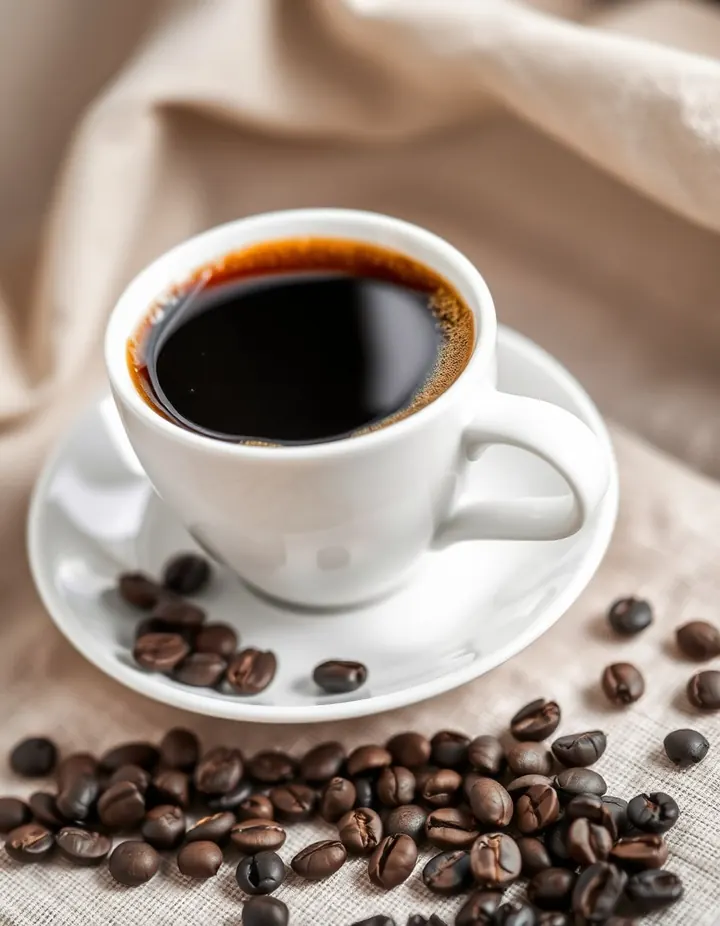 Brown Coffee with Egg175 recipes
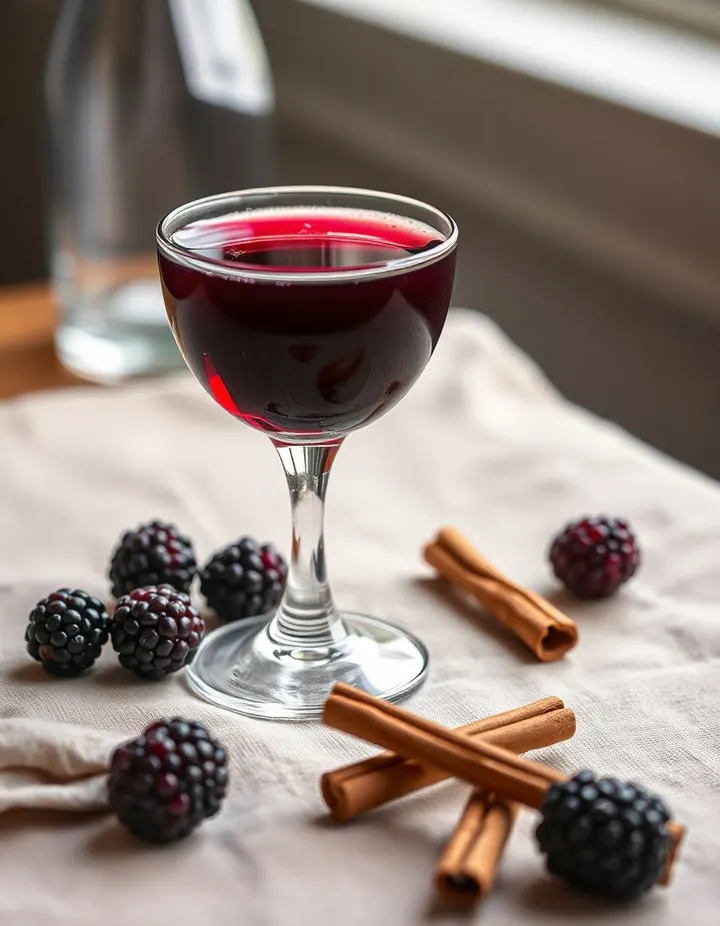 Blackberry Cordial129 recipes
The free Flavor Lab newsletter: one surprising pairing a week and the molecular reason it works, in 60 seconds. No spam, unsubscribe anytime.
Prefer an account? Create a free account to save pairings and unlock the full chemistry.