Why it works: Wine and mustard are a kitchen classic. They rank in the top 23% of all ingredient pairs, and cooks put them together in 1,199 recipes. Both carry 2-isopropyl-3-methoxypyrazine, which smells earthy, pea. The science ↓
To Sweeten Wines
Ingredients
Directions
Sweeten the wine
Put the mustard seed and clary flowers in a linen bag and sink it to the bottom of the cask of wine.
For decaying wine, draw out 3 gallons.
Mix the drawn-out wine with powdered alum.
Beat the mixture for 30 minutes.
Return the mixture to the cask.
Let it fine for 7 to 8 days before bottling.
Cure ropy wine
To cure ropy wine, cover the end of the tap with coarse linen cloth.
Rack the wine into a dry cask.
Add ¼ pound of powdered alum.
Shake well to fine down the wine.
Transcribed from a scanned cookbook and modernised for today's kitchens. Where the book gave no heat or time, or said "a moderate oven", the temperatures and times here may be modern equivalents rather than the book's own figures.
Explore the science
The flavor team
The pairs that carry this dish. Each one is judged two ways: how much their aromas overlap, and how often cooks already put them together.
-
Wine + mustardtop 23% of all pairsSmell alikelowCooked together1,199 recipes
Shared aroma: 2-isopropyl-3-methoxypyrazine (earthy, pea).
Ranks compare each pair with 20,000 random ingredient pairs on CompKitchen. How we score pairs
What each ingredient does
- Dry ground mustard seed
- Adds pungent flavour and aroma to the wine as it steeps in the cask.
- Powdered alum
- Helps fine the wine, causing suspended particles to clump and settle out.
- Roch alum
- Acts as a fining agent, helping clarify the wine by settling suspended matter.
The step that matters
Beating the drawn-out wine with alum. Alum must be thoroughly and evenly dispersed through the wine so it can bind suspended particles; incomplete mixing leaves parts of the wine unfined and the clearing uneven.
“What each ingredient does” and “The step that matters” were written by Claude from this recipe’s own method and reviewed in samples by CompKitchen.
You might also like
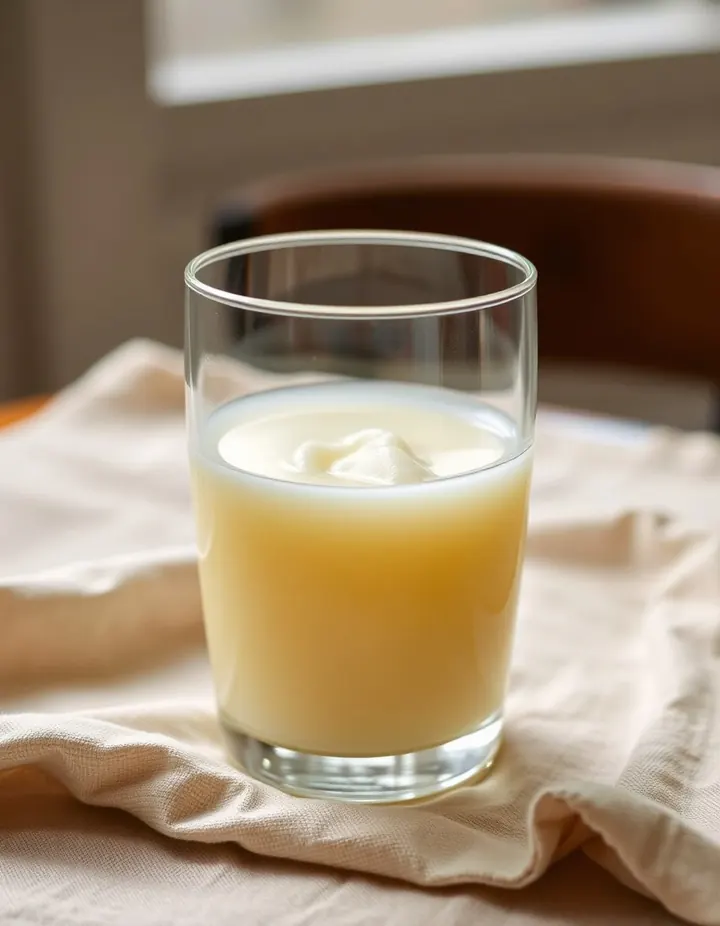 Wine Whey111 recipes
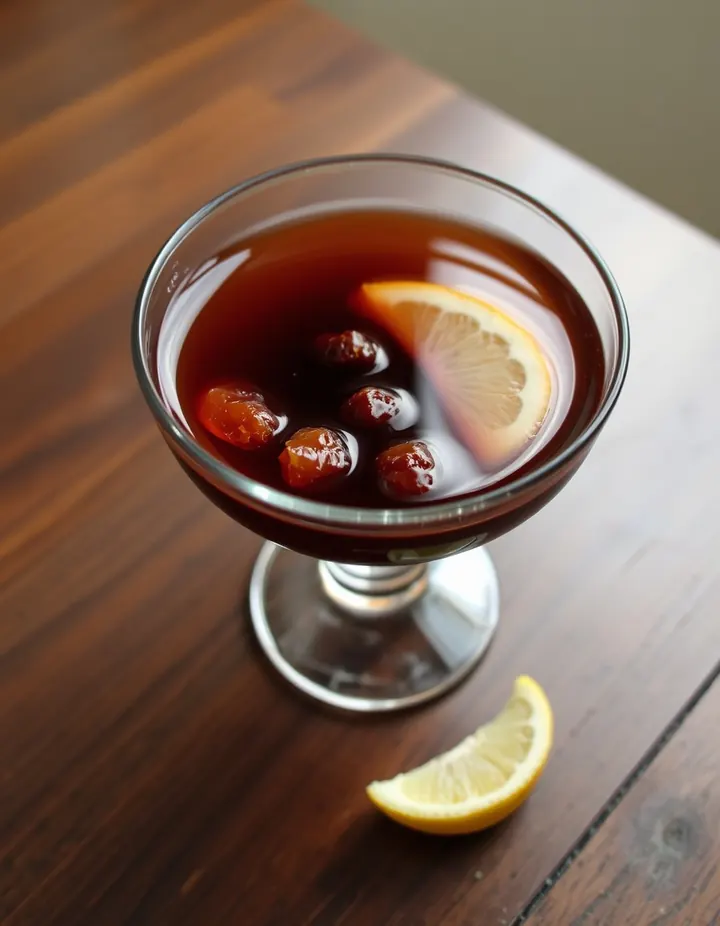 Raisin Wine64 recipes
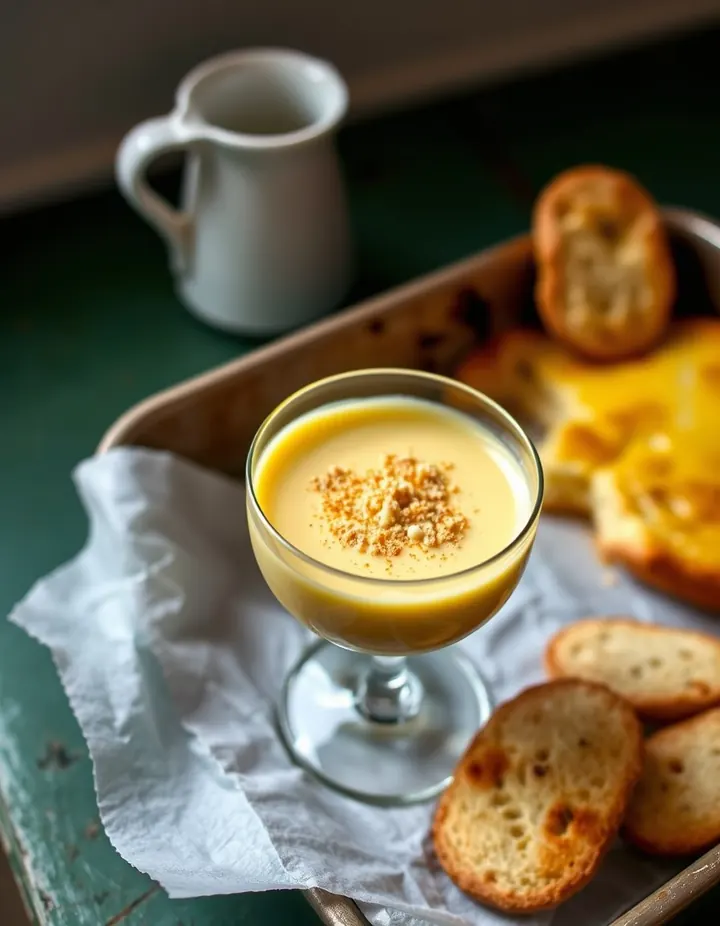 Egg Wine58 recipes
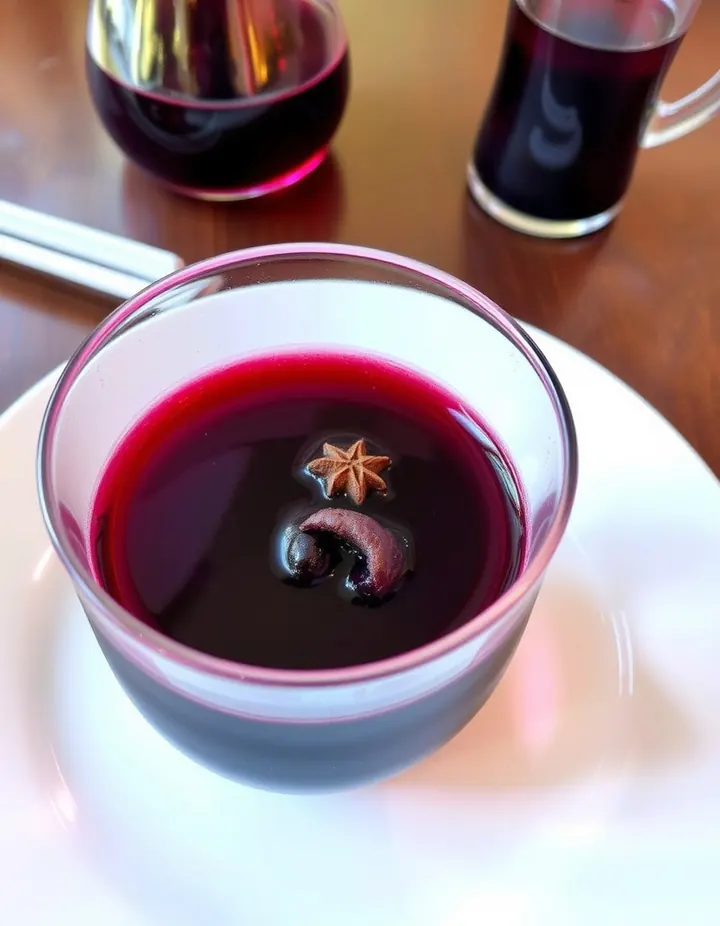 Elderberry Wine51 recipes
The free Flavor Lab newsletter: one surprising pairing a week and the molecular reason it works, in 60 seconds. No spam, unsubscribe anytime.
Prefer an account? Create a free account to save pairings and unlock the full chemistry.