Why it works: Mutton and sugar work together. They rank in the top 34% of all ingredient pairs, and cooks put them together in 726 recipes. Both carry 2-nonenal, which smells fatty, green. The science ↓
Mutton Hams
Ingredients
Directions
Cure
Cut the hind-quarter of mutton like a ham.
Mix saltpetre, coarse sugar, and common salt.
Rub the mixture onto the ham.
Place the ham skin-side down in a hollow tray.
Baste the ham every day for 14 days.
Smoke and finish
Roll the ham in sawdust and hang it in wood smoke for 14 days.
Boil the ham and then hang it in a dry place.
Cut the ham into rashers.
Transcribed from a scanned cookbook and modernised for today's kitchens. Where the book gave no heat or time, or said "a moderate oven", the temperatures and times here may be modern equivalents rather than the book's own figures.
Explore the science
The flavor team
The pairs that carry this dish. Each one is judged two ways: how much their aromas overlap, and how often cooks already put them together.
-
Mutton + sugartop 34% of all pairsSmell alikelowCooked together726 recipes
Shared aroma: 2-nonenal (fatty, green).
Ranks compare each pair with 20,000 random ingredient pairs on CompKitchen. How we score pairs
What each ingredient does
- Mutton hind-quarter
- Forms the main body of the ham that is cured, smoked and sliced.
- Saltpetre
- Helps cure the meat and gives it its characteristic pink colour during curing.
- Common salt
- Draws out moisture and seasons the meat during the cure.
- Coarse sugar
- Balances the salt and adds mild sweetness to the cured meat.
The step that matters
Basting the ham every day for 14 days. The cure must be distributed evenly as salt and sugar penetrate the meat. Skipping days can leave uncured spots that may spoil or taste unevenly salted.
“What each ingredient does” and “The step that matters” were written by Claude from this recipe’s own method and reviewed in samples by CompKitchen.
You might also like
 Mutton Broth292 recipes
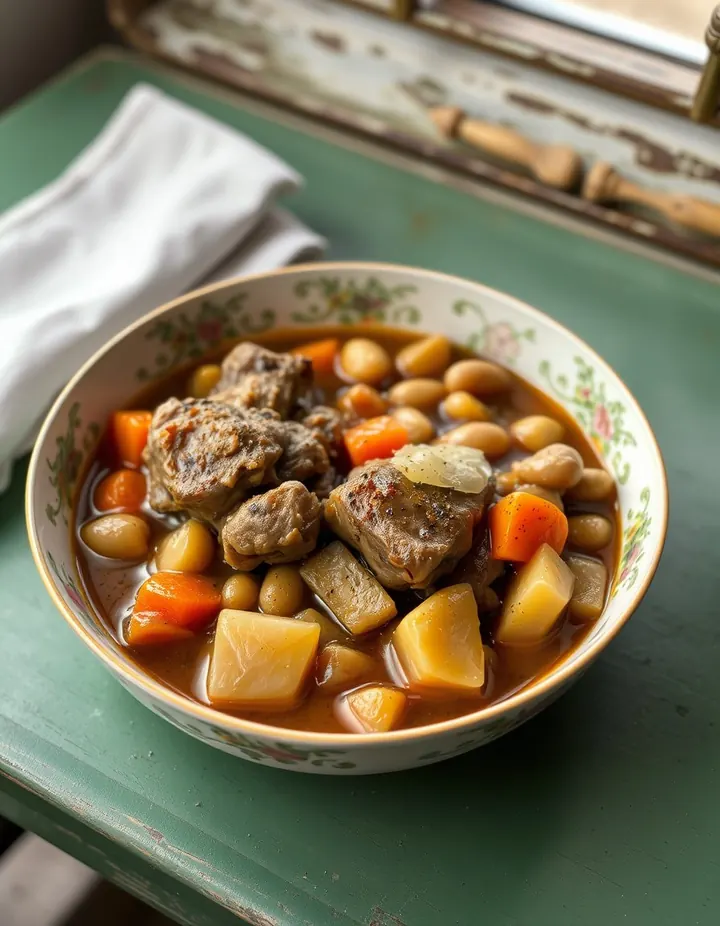 Haricot Mutton59 recipes
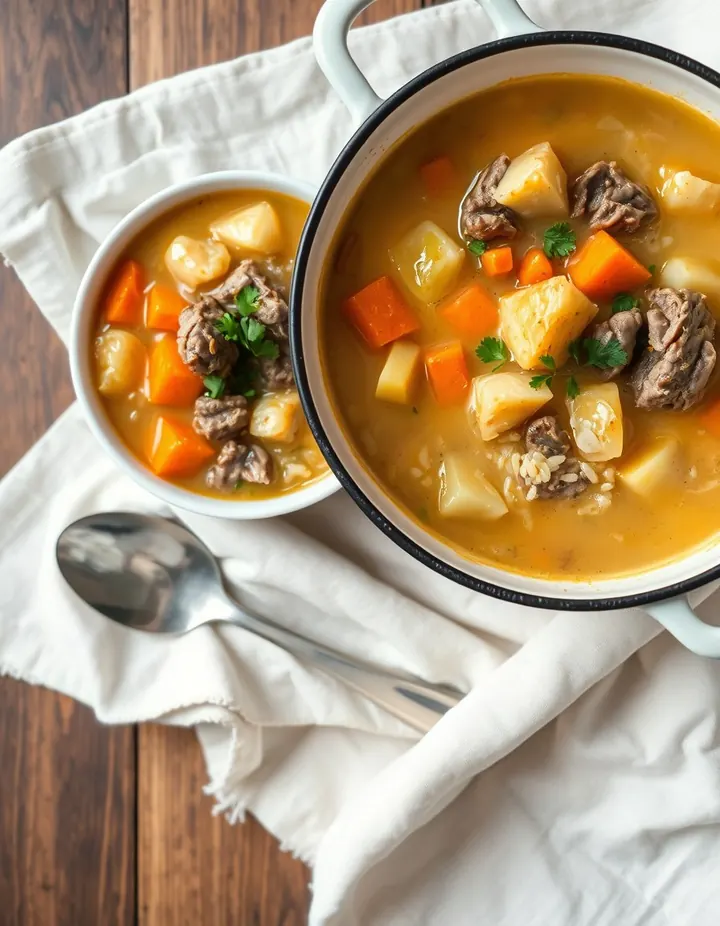 Mutton Soup56 recipes
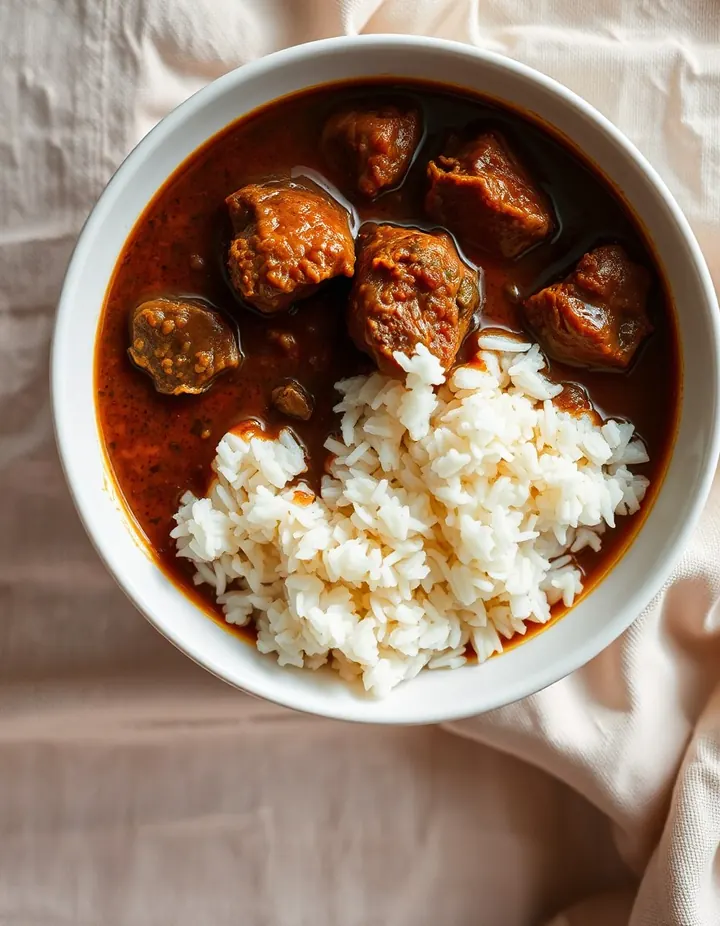 Curried Mutton9 recipes
The free Flavor Lab newsletter: one surprising pairing a week and the molecular reason it works, in 60 seconds. No spam, unsubscribe anytime.
Prefer an account? Create a free account to save pairings and unlock the full chemistry.