Why it works: Pepper and capsicum match in chemistry and in kitchens. They rank in the top 2% of all ingredient pairs, and cooks put them together in 34,571 recipes. Both carry 2-isopropyl-3-methoxypyrazine, which smells earthy, pea. The science ↓
To Pickle Lemons, and Limes
Ingredients
Directions
Prepare the lemons
Wipe the lemons clean and make four deep incisions in each, from the stalk to the blossom end, without dividing the fruit.
Stuff the lemons with salt and place them in a deep dish in a sunny spot for 7-10 days, turning and basting them with their own juice often.
Pack the jar
Rub the lemons with turmeric, if using, and place them in a stone jar with garlic and onions.
Boil the vinegar with ginger, black pepper, and mustard seed, then pour it over the lemons.
Add capsicums or chilies, then seal the jar with a skin and thick paper.
Rest and store
Cover the jar with a plate and let it sit overnight.
The pickles will be good for up to seven years if kept covered with vinegar.
Transcribed from a scanned cookbook and modernised for today's kitchens. Where the book gave no heat or time, or said "a moderate oven", the temperatures and times here may be modern equivalents rather than the book's own figures.
Explore the science
The flavor team
The pairs that carry this dish. Each one is judged two ways: how much their aromas overlap, and how often cooks already put them together.
-
Pepper + capsicumtop 2% of all pairsSmell alikestrongCooked together34,571 recipes
Shared aroma: 2-isopropyl-3-methoxypyrazine (earthy, pea).
-
Lemon + peppertop 3% of all pairsSmell alikestrongCooked together27,047 recipes
Shared aroma: trans-2-nonenal (cardboard, fatty).
-
Lemon + gingertop 5% of all pairsSmell alikestrongCooked together5,154 recipes
Shared aroma: beta-phellandrene (minty, terpene).
-
Mustard + garlictop 6% of all pairsSmell alikestrongCooked together4,053 recipes
Shared aroma: linalool (floral, citrus).
-
Ginger + garlictop 6% of all pairsSmell alikemoderateCooked together6,402 recipes
Shared aroma: beta-phellandrene (minty, terpene).
Ranks compare each pair with 20,000 random ingredient pairs on CompKitchen. How we score pairs
What each ingredient does
- Lemons
- Provide the main fruit, whose peel and juice soften and turn tangy as they cure.
- White wine vinegar
- Its acidity preserves the lemons and gives the pickle its sharp, sour flavour.
- Ginger
- Adds a warm, fragrant aroma that balances the sourness of the vinegar.
- Mustard seed
- Contributes a sharp, pungent flavour that stands out in the vinegar brine.
- Garlic
- Adds a savoury aroma that mellows and infuses the lemons during curing.
- Turmeric
- Gives the lemons a yellow colour and a mild, earthy flavour.
The step that matters
Keep the lemons fully covered with vinegar. Salt and acid together inhibit spoilage microbes, but any fruit left exposed to air can mould or rot. Keeping every piece submerged in the brine protects the pickle.
Swap the ginger
How well each one fits the dish's main ingredients (lemon, white wine, vinegar, pepper, mustard, capsicum, garlic):
- Tarragonfits better
- Thymefits better
- Parsleyfits better
- Gingerthe original
Fit is the average pairing score against lemon, white wine, vinegar, pepper, mustard, capsicum, garlic. Candidates are from the same food group and used in at least 100 recipes.
“What each ingredient does” and “The step that matters” were written by Claude from this recipe’s own method and reviewed in samples by CompKitchen.
You might also like
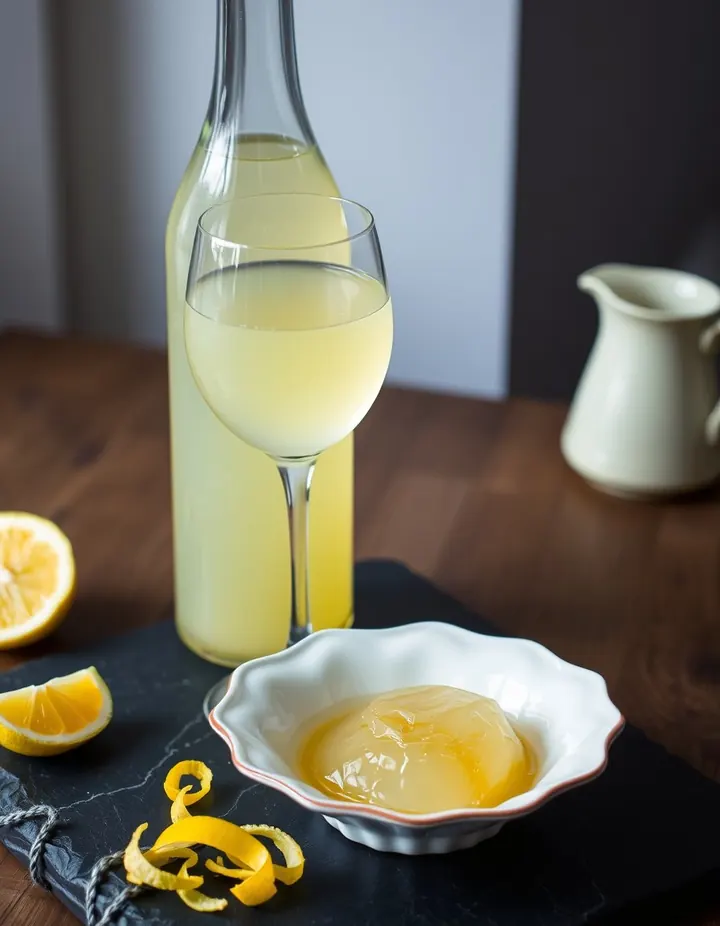 Lemon Wine31 recipes
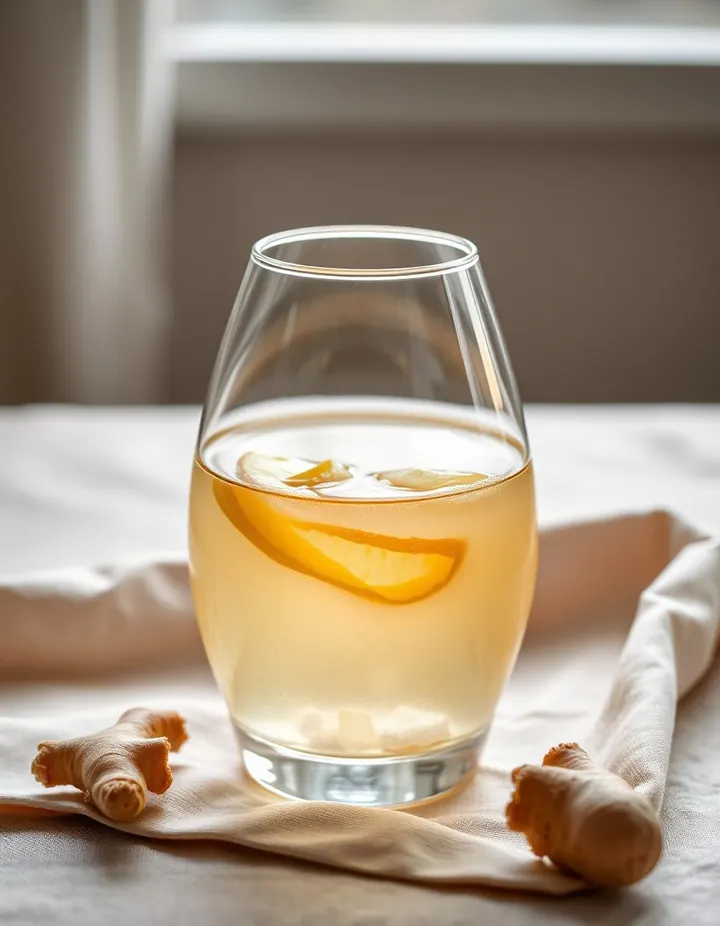 Ginger Wine12 recipes
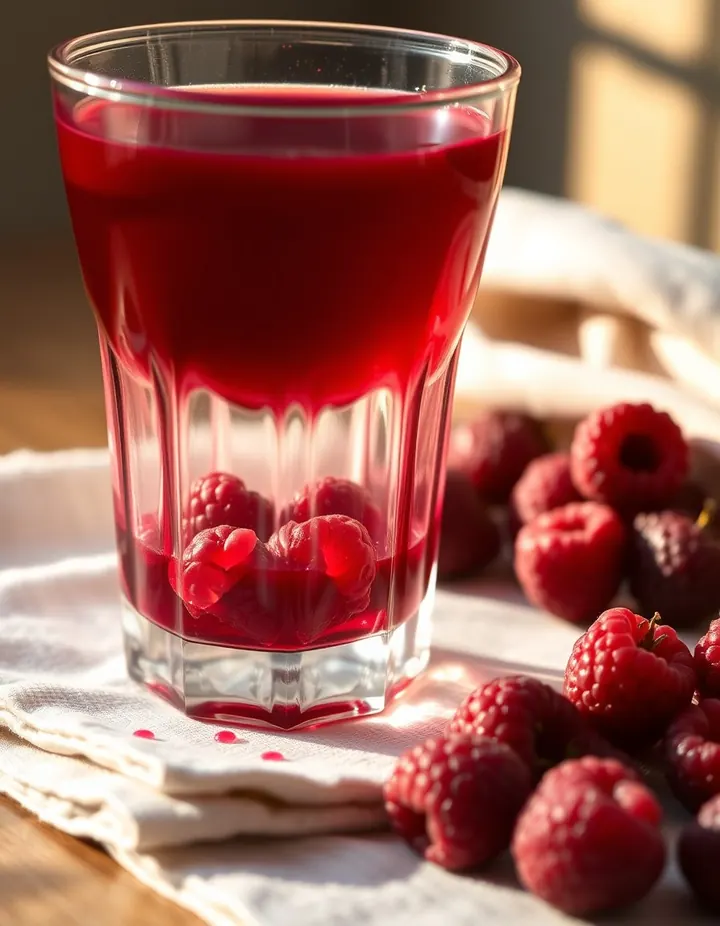 Raspberry Vinegar214 recipes
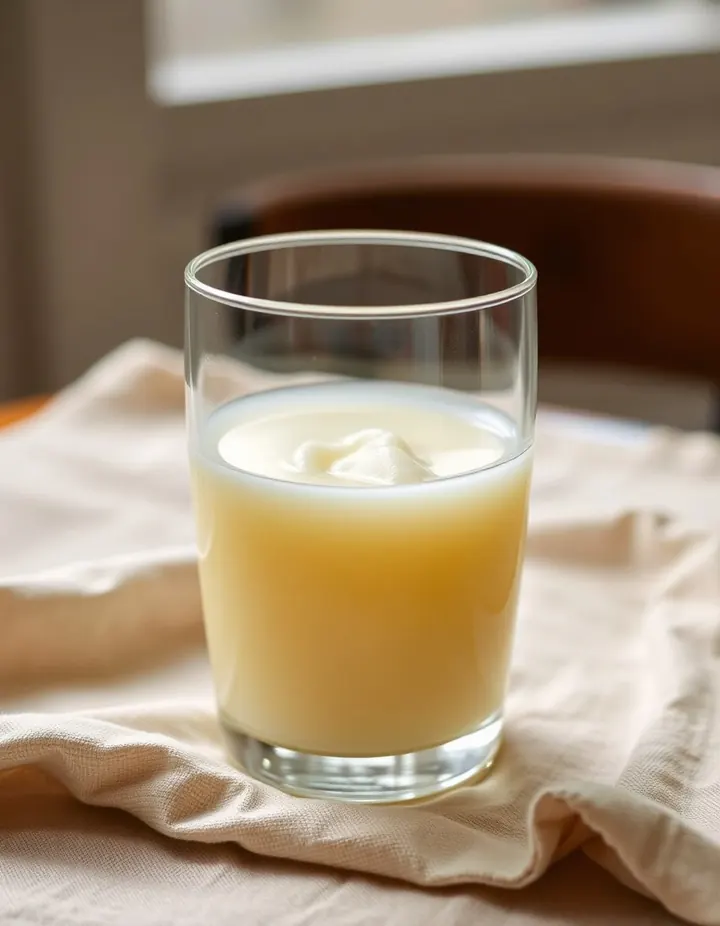 Wine Whey111 recipes
The free Flavor Lab newsletter: one surprising pairing a week and the molecular reason it works, in 60 seconds. No spam, unsubscribe anytime.
Prefer an account? Create a free account to save pairings and unlock the full chemistry.