Why it works: Pheasant and rabbit share more aroma than cooks usually use. They rank in the top 1% of all ingredient pairs, and cooks put them together in 55 recipes. Both carry decanal, which smells soap, orange peel. The science ↓
Raised Pie
Ingredients
Directions
The book says “a slow oven”. The 300°F (150°C) in the steps is the modern equivalent, not the book's own figure.
Prepare
Remove the bones from the pheasant, partridges, hare, and rabbits.
Prepare good forcemeat with truffles and mushrooms.
Line a stewpan with a thick slice of fat ham.
Assemble and bake
Stuff the birds with the forcemeat, truffles, and mushrooms, layering them alternately with the boiled tongue in the middle. Season between each layer.
Cover with slices of fat ham and add a little second stock.
Cover the stewpan and cook in a slow oven at 300°F (150°C) for 2-3 hours until well baked.
Finish and set
Once cooked, remove the hot fat ham and strain off the remaining liquid.
Remove the fat, season the liquid, and add a little more consomme and port wine, boiling it down slightly.
Gradually pour the liquid over the meat, gently raising it with a knife to ensure it sinks well.
Let it cool, then top with aspic jelly or consomme.
Garnish with parsley and press the meat tightly in the dish to ensure it cuts firm when cold.
Transcribed from a scanned cookbook and modernised for today's kitchens. Where the book gave no heat or time, or said "a moderate oven", the temperatures and times here may be modern equivalents rather than the book's own figures.
Explore the science
The flavor team
The pairs that carry this dish. Each one is judged two ways: how much their aromas overlap, and how often cooks already put them together.
-
Pheasant + rabbittop 1% of all pairsSmell alikestrongCooked together55 recipes
Shared aroma: decanal (soap, orange peel).
-
Truffle + mushroomtop 4% of all pairsSmell alikemoderateCooked together1,900 recipes
Shared aroma: 2,4-nonadienal (fatty, green).
-
Mushroom + port winetop 10% of all pairsSmell alikemoderateCooked together570 recipes
Shared aroma: guaiacol (smoky, sweet).
-
Mushroom + parsleytop 11% of all pairsSmell alikemoderateCooked together6,132 recipes
Shared aroma: 2,4-decadienal (seaweed).
-
Truffle + hamtop 12% of all pairsSmell alikemoderateCooked together516 recipes
Shared aroma: 1-octen-3-one (mushroom, metallic).
Ranks compare each pair with 20,000 random ingredient pairs on CompKitchen. How we score pairs
What each ingredient does
- Forcemeat
- Binds the stuffing and keeps the meat moist as it bakes.
- Fat ham
- Lines and covers the pot, adding fat and savoury flavour to the meat.
- Port wine
- Adds depth and sweetness to the reduced cooking liquid.
- Aspic jelly
- Sets when cold to hold the pie together and give a firm cut.
The step that matters
Pressing the meat when setting. Pressing the meat tightly into the dish while the liquid cools helps it hold together and cut firm once cold. Gelatine in the stock and aspic sets the liquid as it chills.
Swap the parsley
How well each one fits the dish's main ingredients (pheasant, rabbit, truffle, mushroom, ham, port wine):
- Thymefits better
- Garlicfits better
- Celeryfits about as well
- Parsleythe original
Fit is the average pairing score against pheasant, rabbit, truffle, mushroom, ham, port wine. Candidates are from the same food group and used in at least 100 recipes.
“What each ingredient does” and “The step that matters” were written by Claude from this recipe’s own method and reviewed in samples by CompKitchen.
You might also like
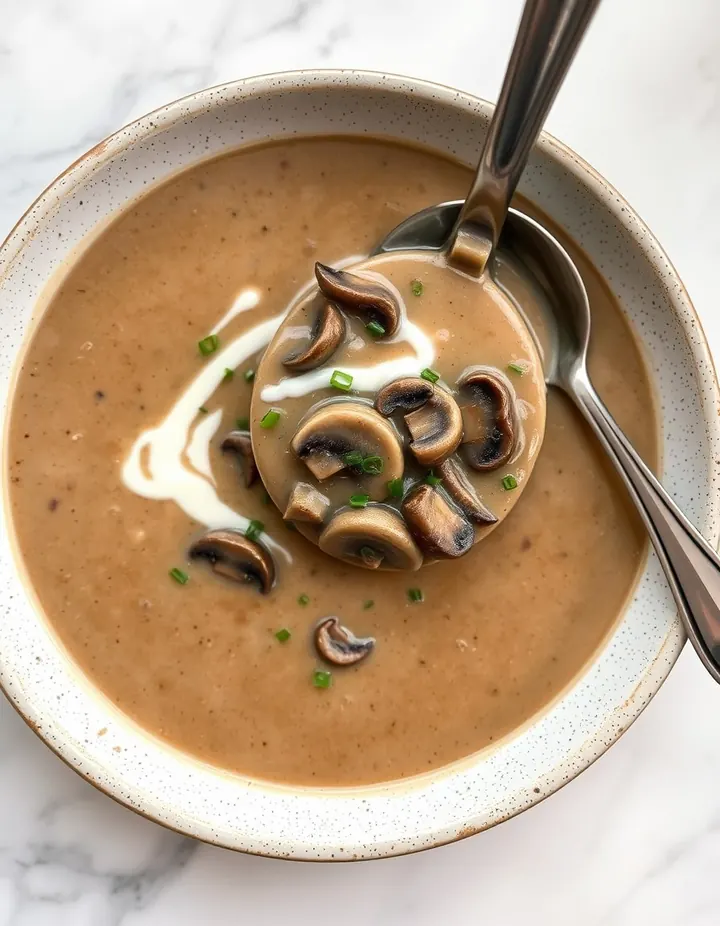 Mushroom Soup60 recipes
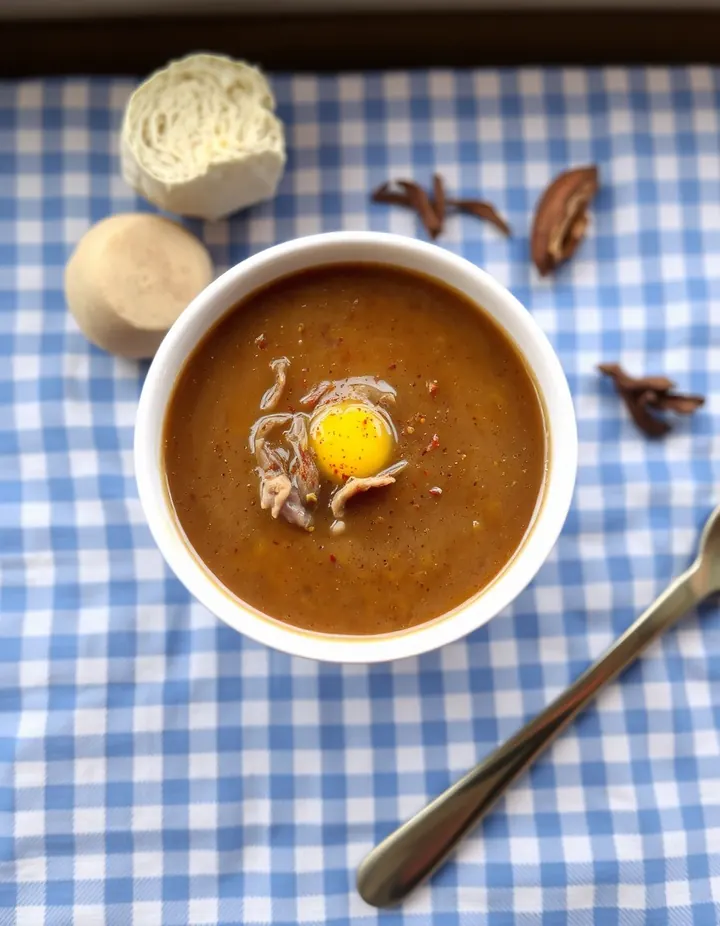 Pheasant Soup25 recipes
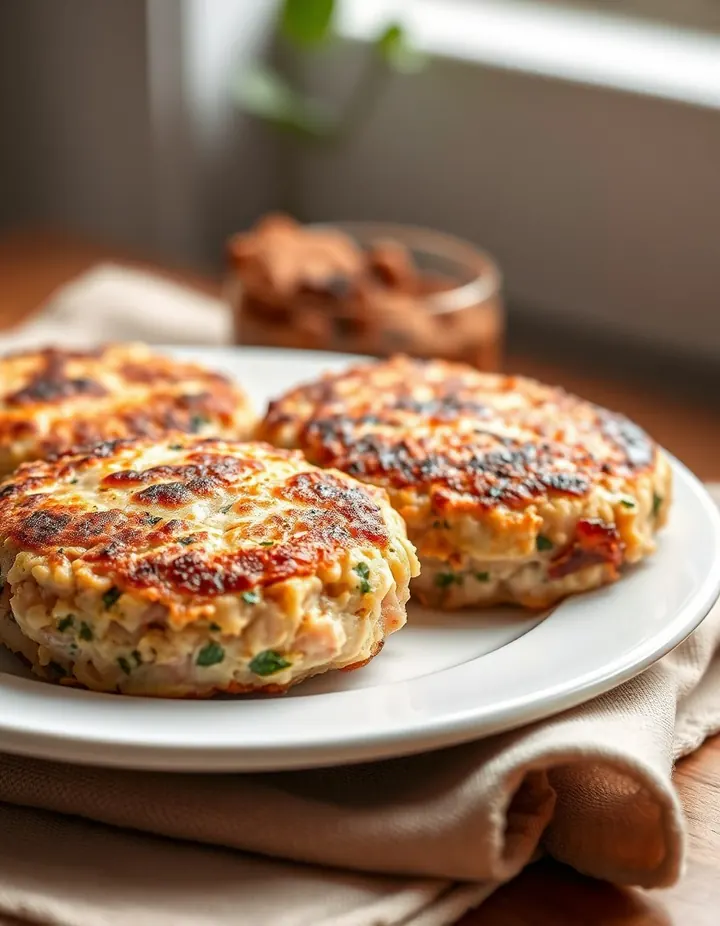 Rabbit Patties6 recipes
 Tomato Soup526 recipes
The free Flavor Lab newsletter: one surprising pairing a week and the molecular reason it works, in 60 seconds. No spam, unsubscribe anytime.
Prefer an account? Create a free account to save pairings and unlock the full chemistry.