Why it works: White wine and mace are a kitchen classic. They rank in the top 16% of all ingredient pairs, and cooks put them together in 1,329 recipes. Both carry myrcene, which smells balsamic, herbaceous. The science ↓
Home-made Wines
Ingredients
Directions
Prepare the juice
Strain the juice through a flannel bag and boil it.
Dissolve 1.5 pounds of sugar in the juice.
Let the mixture cool slightly, then stir in the egg whites.
Boil gently for 15 minutes, removing froth as it rises.
Ferment and flavour
Let it cool, then pour gently into a cask without disturbing the settlements.
Add enough yeast to ferment the mixture.
When fermentation declines, tie flavouring ingredients in a muslin bag and suspend it in the cask.
Taste frequently and remove the bag when the wine is pleasantly flavoured.
Finish and age
When fermentation ceases, add 1 pint of white wine for each gallon of liquor.
Close the cask and let it sit for three months before use.
Transcribed from a scanned cookbook and modernised for today's kitchens. Where the book gave no heat or time, or said "a moderate oven", the temperatures and times here may be modern equivalents rather than the book's own figures.
Explore the science
The flavor team
The pairs that carry this dish. Each one is judged two ways: how much their aromas overlap, and how often cooks already put them together.
-
White wine + macetop 16% of all pairsSmell alikelowCooked together1,329 recipes
Shared aroma: myrcene (balsamic, herbaceous).
-
Sugar + eggtop 21% of all pairsSmell alikemoderateCooked together122,807 recipes
Shared aroma: 2-nonenal (fatty, green).
-
Sugar + white winetop 30% of all pairsSmell alikelowCooked together2,586 recipes
Shared aroma: beta-damascenone (apple, rose).
-
Egg + white winetop 32% of all pairsSmell alikelowCooked together2,662 recipes
Shared aroma: 1-octen-3-ol (mushroom, earthy).
-
Sugar + macetop 34% of all pairsSmell alikelowCooked together6,096 recipes
Ranks compare each pair with 20,000 random ingredient pairs on CompKitchen. How we score pairs
What each ingredient does
- Juice
- Forms the bulk of the liquid and supplies the fruit sugars and flavour for fermentation.
- Loaf sugar
- Feeds the yeast during fermentation, producing alcohol and carbon dioxide.
- Egg whites
- Bind to impurities as they are heated, so the froth can be skimmed off and the wine clarified.
- Yeast
- Converts the sugars into alcohol and carbon dioxide, driving the fermentation.
- White wine
- Added after fermentation ceases to boost the alcohol and body of the finished wine.
The step that matters
Pour without disturbing the settlements. Sediment that has settled after boiling and clarifying would cloud the wine and can add off-flavours if stirred back in. Pouring gently leaves it behind in the cask.
Swap the mace
How well each one fits the dish's main ingredients (sugar, egg, white wine):
- Cinnamonfits better
- Nutmegfits better
- Tarragonfits better
- Macethe original
Fit is the average pairing score against sugar, egg, white wine. Candidates are from the same food group and used in at least 100 recipes.
“What each ingredient does” and “The step that matters” were written by Claude from this recipe’s own method and reviewed in samples by CompKitchen.
You might also like
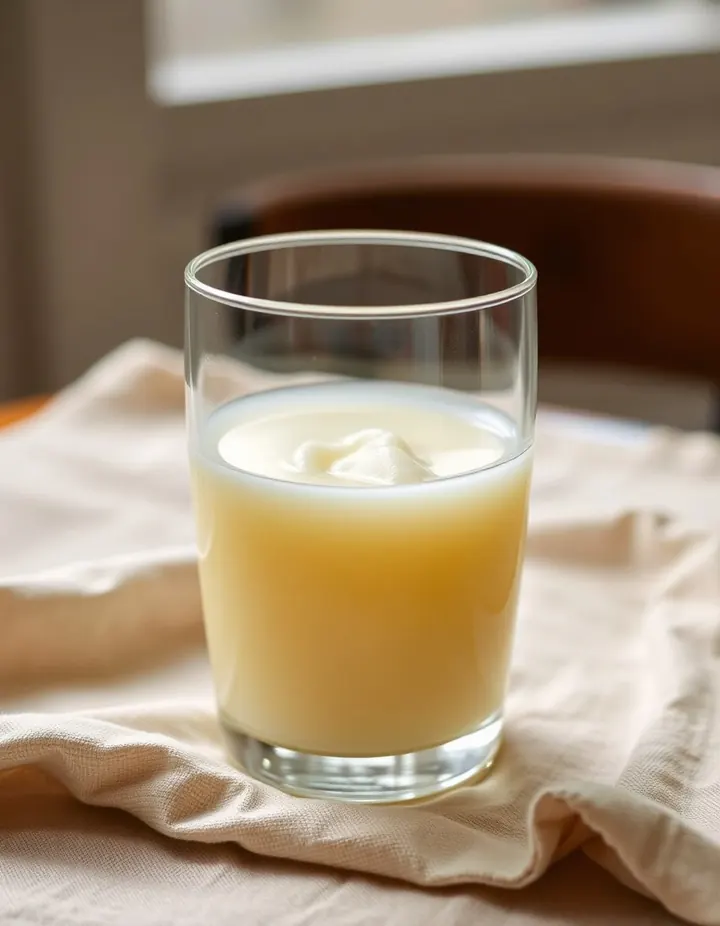 Wine Whey111 recipes
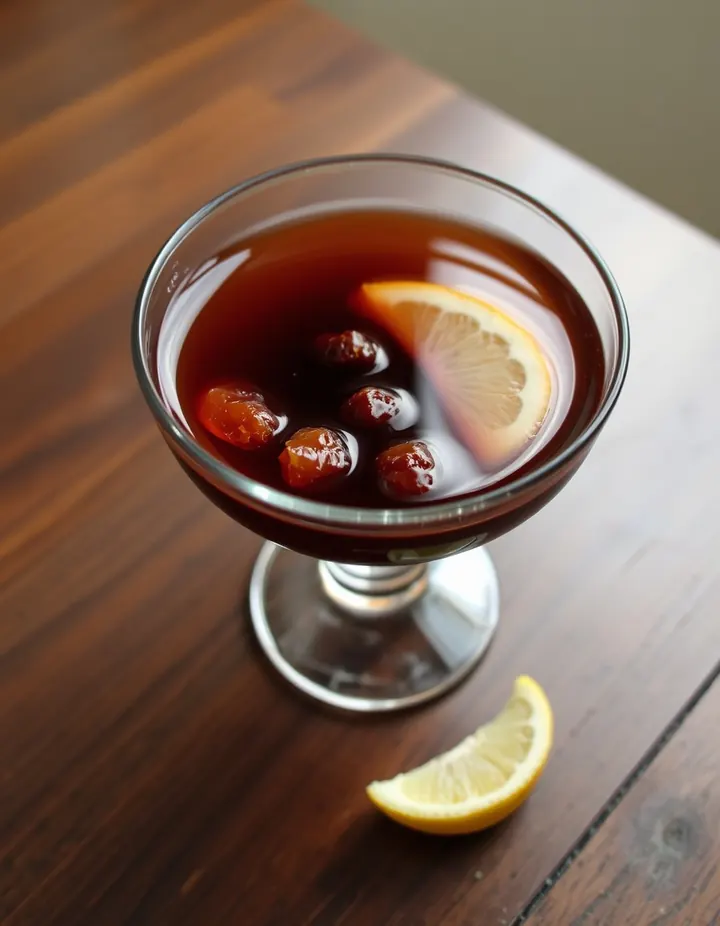 Raisin Wine64 recipes
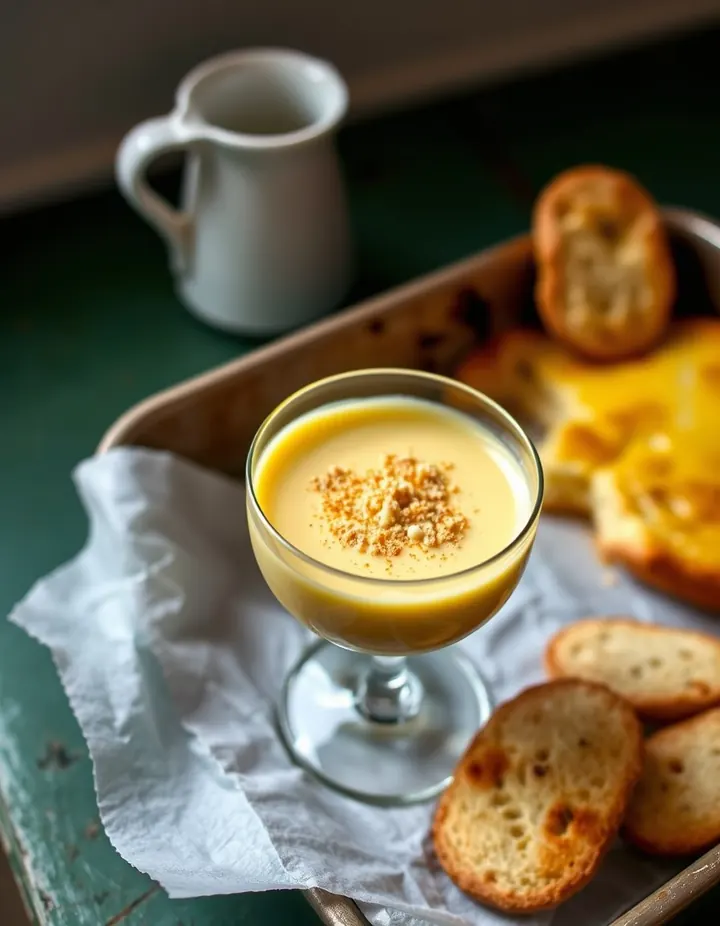 Egg Wine58 recipes
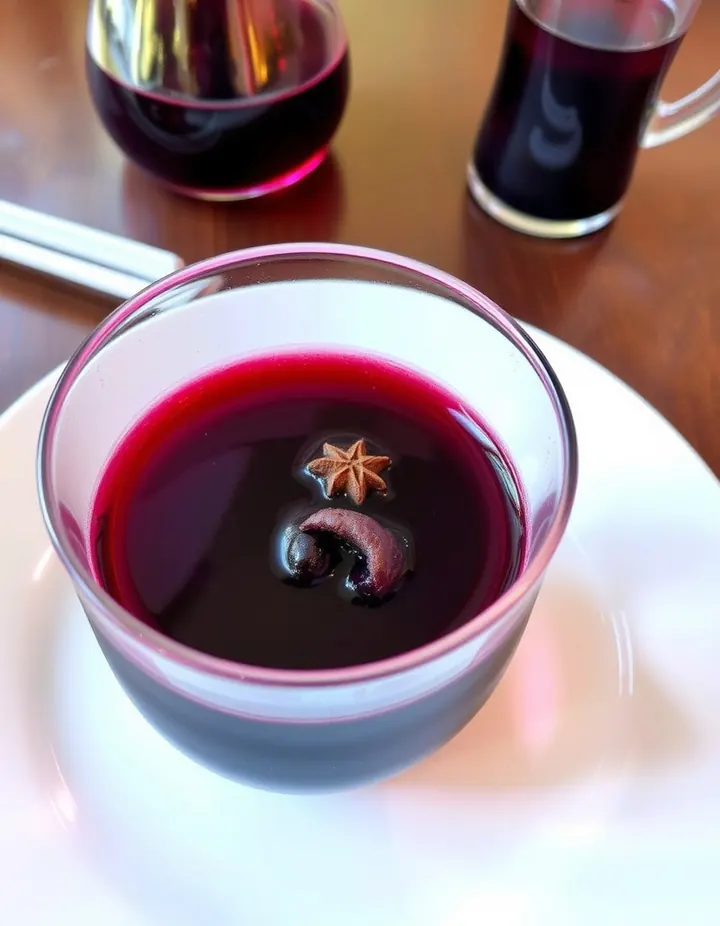 Elderberry Wine51 recipes
The free Flavor Lab newsletter: one surprising pairing a week and the molecular reason it works, in 60 seconds. No spam, unsubscribe anytime.
Prefer an account? Create a free account to save pairings and unlock the full chemistry.