Why it works: Rice and bread are a kitchen classic. They rank in the top 13% of all ingredient pairs, and cooks put them together in 1,259 recipes. Both carry 2-acetyl-1-pyrroline, which smells popcorn, roasted. The science ↓
Rice Mould
Ingredients
Directions
The book says “a hot oven”. The 400°F (200°C) in the steps is the modern equivalent, not the book's own figure.
Prepare the rice
Pick, wash, and blanch the rice, then drain it.
Put the rice into a saucepan, moistening it gradually with the skimmings from the stockpot as it swells.
Shake the rice gently to prevent sticking and ensure it remains moist.
Mold and bake
Cut a piece of buttered bread to fit the serving dish and mold the rice around it.
Place the rice and bread into a suitable mold, marking a round shape on top for the cover.
Bake in a hot oven at 400°F (200°C) until well colored.
Fill and serve
Lift off the cover.
Remove the bread.
Fill with ragout.
Replace the cover.
Serve.
Transcribed from a scanned cookbook and modernised for today's kitchens. Where the book gave no heat or time, or said "a moderate oven", the temperatures and times here may be modern equivalents rather than the book's own figures.
Explore the science
The flavor team
The pairs that carry this dish. Each one is judged two ways: how much their aromas overlap, and how often cooks already put them together.
-
Rice + breadtop 13% of all pairsSmell alikemoderateCooked together1,259 recipes
Shared aroma: 2-acetyl-1-pyrroline (popcorn, roasted).
Ranks compare each pair with 20,000 random ingredient pairs on CompKitchen. How we score pairs
What each ingredient does
- Rice
- Forms the main structure, and its starch sets to hold the mold's shape when baked.
- Skimmings from stockpot
- Adds moisture and savory flavor as the rice swells, keeping it tender rather than dry.
- Bread
- Acts as a temporary core that supports the rice shell during molding, then is removed.
The step that matters
Moistening the rice gradually. Rice starch absorbs liquid as it swells. Adding the stockpot skimmings a little at a time lets each grain take up moisture evenly, keeping the rice moist and cohesive without turning it soggy or letting it stick and scorch.
“What each ingredient does” and “The step that matters” were written by Claude from this recipe’s own method and reviewed in samples by CompKitchen.
You might also like
 Brown Bread461 recipes
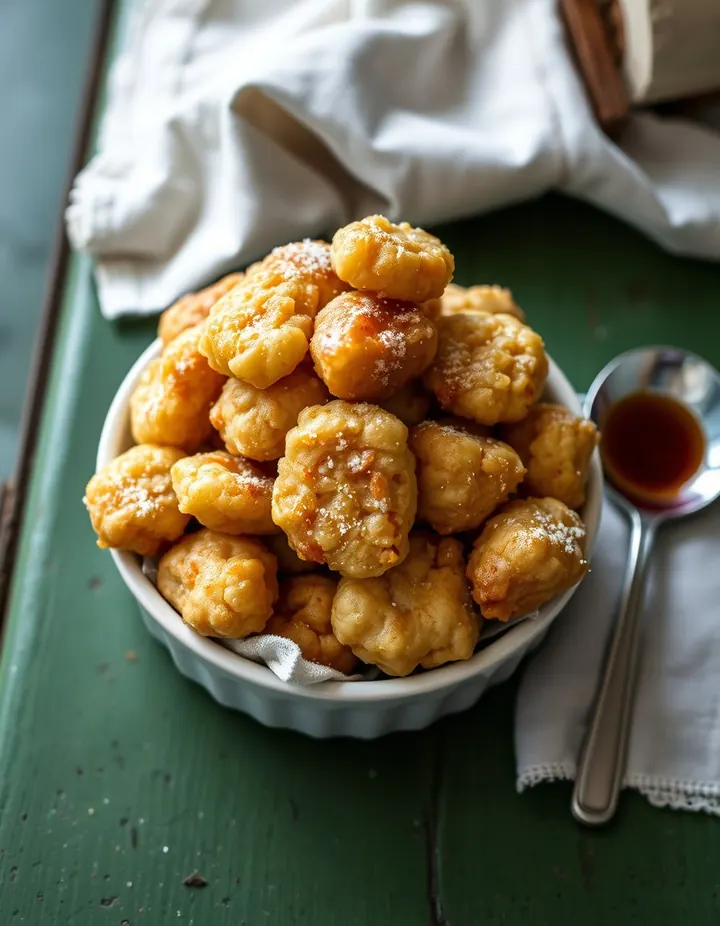 Rice Fritters84 recipes
 White Bread80 recipes
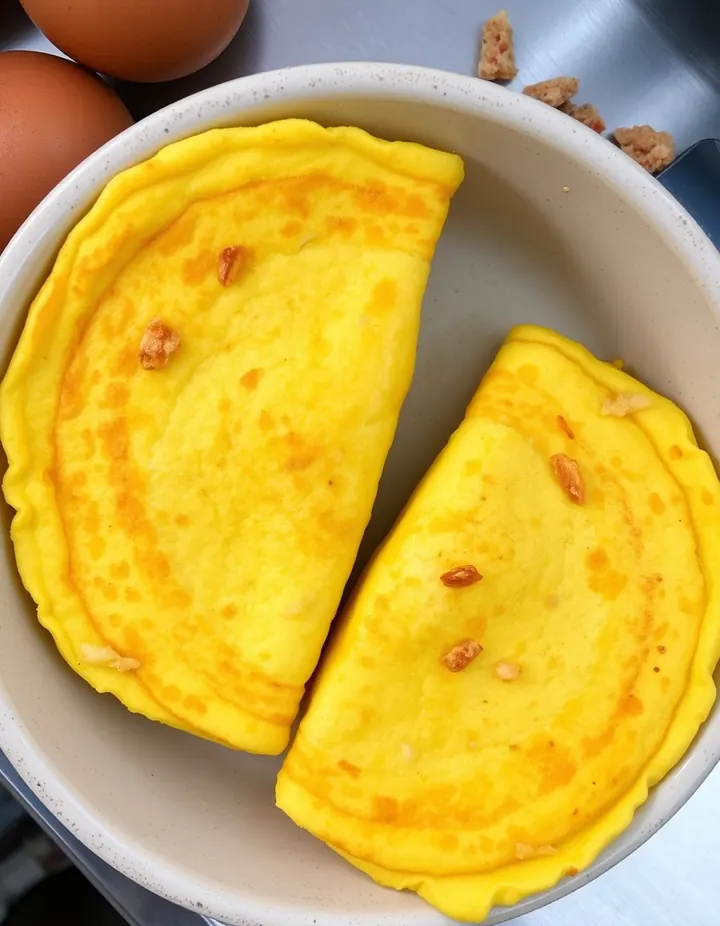 Bread Omelette60 recipes
The free Flavor Lab newsletter: one surprising pairing a week and the molecular reason it works, in 60 seconds. No spam, unsubscribe anytime.
Prefer an account? Create a free account to save pairings and unlock the full chemistry.