Why it works: Flour and egg are a kitchen classic. They rank in the top 15% of all ingredient pairs, and cooks put them together in 106,462 recipes. Both carry isobutyraldehyde, which smells malty, green. The science ↓
Raised Pork Pie
Ingredients
Directions
The book says “a hot oven”. The 400°F (200°C) in the steps is the modern equivalent, not the book's own figure.
Make the hot-water pastry
Put the flour into a bowl.
Melt the suet in a saucepan, add the water, and bring to a boil.
Make a well in the flour, pour in the boiling mixture, and stir until cool enough to handle.
Knead the dough on a board, reserving a small piece for the lid.
Shape the dough into a height suitable for a small cake tin or roll it out to line a pork pie mold.
Fill and cover
Cut the pork into neat dice, add the pepper, salt, and a tablespoon of water.
Fill the mold with the pork mixture.
Warm the remaining pastry, roll it out to fit the mold, and egg the edges of the pie.
Cover with the pastry, press the edges together, and scallop them.
Egg the top, make a large hole in the center, and decorate with leaves, making small holes under each leaf for gas escape.
Bake and finish
Bake in a hot oven at 400°F (200°C) for 20 minutes, then lower the heat to 350°F (175°C) and bake for about 2 hours.
Dissolve the gelatine in the remaining stock, and when the pie is cold, pour it in through the hole using a funnel.
Transcribed from a scanned cookbook and modernised for today's kitchens. Where the book gave no heat or time, or said "a moderate oven", the temperatures and times here may be modern equivalents rather than the book's own figures.
Explore the science
The flavor team
The pairs that carry this dish. Each one is judged two ways: how much their aromas overlap, and how often cooks already put them together.
-
Flour + eggtop 15% of all pairsSmell alikelowCooked together106,462 recipes
Shared aroma: isobutyraldehyde (malty, green).
-
Pork + peppertop 16% of all pairsSmell alikemoderateCooked together22,121 recipes
Shared aroma: 2-isopropyl-3-methoxypyrazine (earthy, pea).
-
Flour + peppertop 19% of all pairsSmell alikemoderateCooked together50,459 recipes
Shared aroma: isobutyraldehyde (malty, green).
-
Flour + porktop 27% of all pairsSmell alikelowCooked together11,187 recipes
Shared aroma: isobutyraldehyde (malty, green).
-
Pork + eggtop 30% of all pairsSmell alikemoderateCooked together10,387 recipes
Shared aroma: (e,e)-2,4-decadienal (fatty, deep fried).
Flour and egg barely smell alike, yet cooks put them together in 106,462 recipes: they work on texture and structure more than aroma.
Ranks compare each pair with 20,000 random ingredient pairs on CompKitchen. How we score pairs
What each ingredient does
- Flour
- Forms the sturdy pastry structure that holds the hot filling.
- Suet or lard
- Adds fat that makes the pastry tender and rich.
- Pork
- Provides the meat filling that gives the pie its savory body.
- Egg
- Glazes the pastry so it browns attractively in the oven.
- Gelatine
- Sets the stock into a jelly once the pie has cooled.
The step that matters
Pour the gelatine in only when the pie is cold. Pouring liquid gelatine into a warm pie can melt the setting jelly and let it run out. Letting the pie cool first lets the gelatine set firmly inside the baked crust.
“What each ingredient does” and “The step that matters” were written by Claude from this recipe’s own method and reviewed in samples by CompKitchen.
More pork pie recipes
You might also like
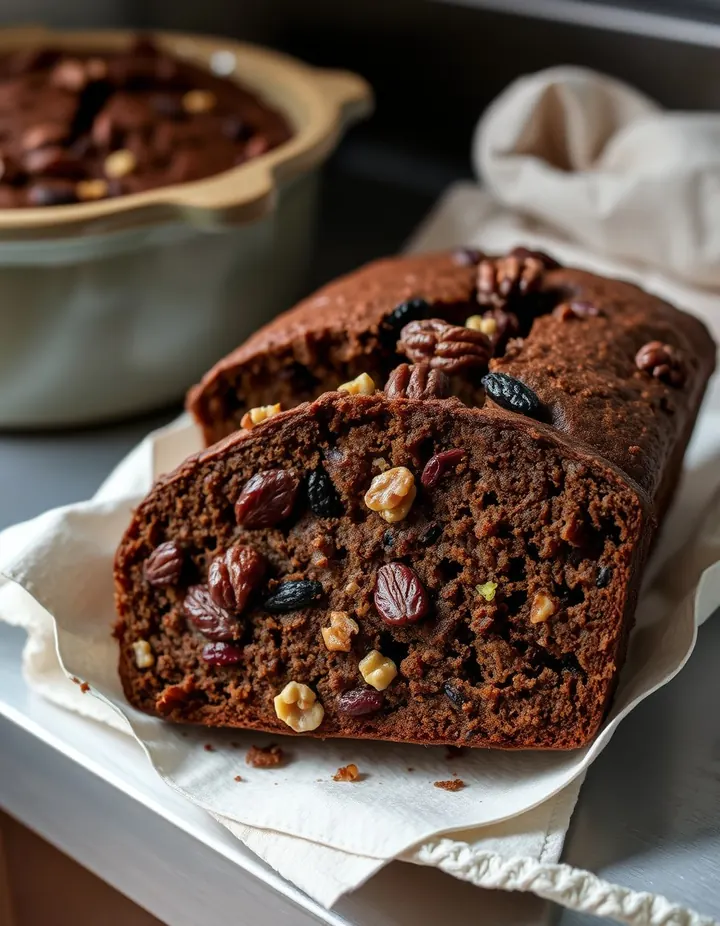 Pork Cake107 recipes
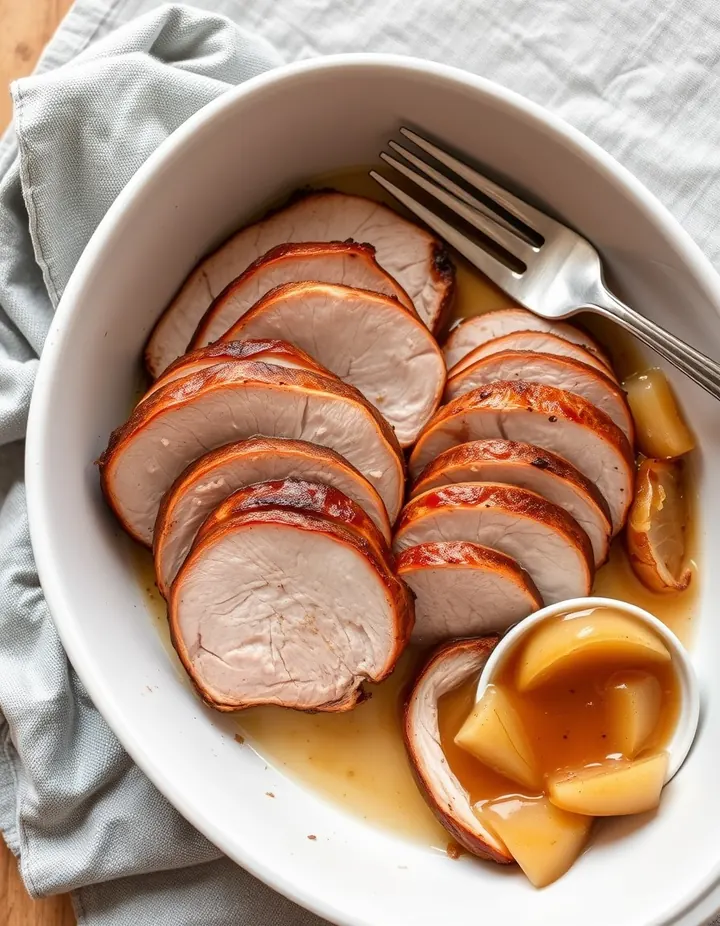 Roast Pork82 recipes
 Tomato Soup526 recipes
 Brown Bread461 recipes
The free Flavor Lab newsletter: one surprising pairing a week and the molecular reason it works, in 60 seconds. No spam, unsubscribe anytime.
Prefer an account? Create a free account to save pairings and unlock the full chemistry.