Why it works: Almond and flour are a kitchen classic. They rank in the top 5% of all ingredient pairs, and cooks put them together in 8,673 recipes. Both carry isobutyraldehyde, which smells malty, green. The science ↓
Almond Paste
Ingredients
Directions
The book says “a moderate oven”. The 350°F (175°C) in the steps is the modern equivalent, not the book's own figure.
Make the almond paste for inside the cake by mixing ½ cup castor sugar, ⅓ cup ground almonds, and 1 egg until combined.
Sift flour and cornflour together.
Clean the currants and separate the yolks from the whites of the eggs.
Cream the butter and ½ cup castor sugar together until light and fluffy.
Beat in the egg yolks, then stir in the currants and sifted flour mixture.
Gently fold in the stiffly whipped egg whites.
Pour half of the mixture into a greased and lined cake tin.
Shape the almond paste for inside the cake into a round slightly smaller than the cake tin and place it in the tin.
Cover with the remaining cake mixture and bake for 2 to 3 hours at 350°F (175°C).
Once cool, make the almond paste for outside the cake using ¾ cup castor sugar, ⅔ cup ground almonds, and 1 egg.
Shape about three-quarters of the almond paste into a round and cover the top of the cake.
Form the rest into small balls and arrange them on top of the cake.
Place in a cool oven (300°F or 150°C) to set and slightly brown.
Transcribed from a scanned cookbook and modernised for today's kitchens. Where the book gave no heat or time, or said "a moderate oven", the temperatures and times here may be modern equivalents rather than the book's own figures.
Explore the science
The flavor team
The pairs that carry this dish. Each one is judged two ways: how much their aromas overlap, and how often cooks already put them together.
-
Almond + flourtop 5% of all pairsSmell alikemoderateCooked together8,673 recipes
Shared aroma: isobutyraldehyde (malty, green).
-
Almond + buttertop 11% of all pairsSmell alikemoderateCooked together9,245 recipes
Shared aroma: 2,3-pentanedione (butter, sweet).
-
Flour + buttertop 12% of all pairsSmell alikelowCooked together124,287 recipes
Shared aroma: isobutyraldehyde (malty, green).
-
Sugar + flourtop 15% of all pairsSmell alikemoderateCooked together92,116 recipes
Shared aroma: phenylacetaldehyde (hawthorne, honey).
-
Egg + flourtop 15% of all pairsSmell alikelowCooked together106,462 recipes
Shared aroma: isobutyraldehyde (malty, green).
Flour and butter barely smell alike, yet cooks put them together in 124,287 recipes: they work on texture and structure more than aroma.
Ranks compare each pair with 20,000 random ingredient pairs on CompKitchen. How we score pairs
Swap the currant
How well each one fits the dish's main ingredients (sugar, almond, egg, flour, butter):
- Raisinfits better
- Vanillafits better
- Figfits better
- Currantthe original
Fit is the average pairing score against sugar, almond, egg, flour, butter. Candidates are from the same food group and used in at least 100 recipes.
You might also like
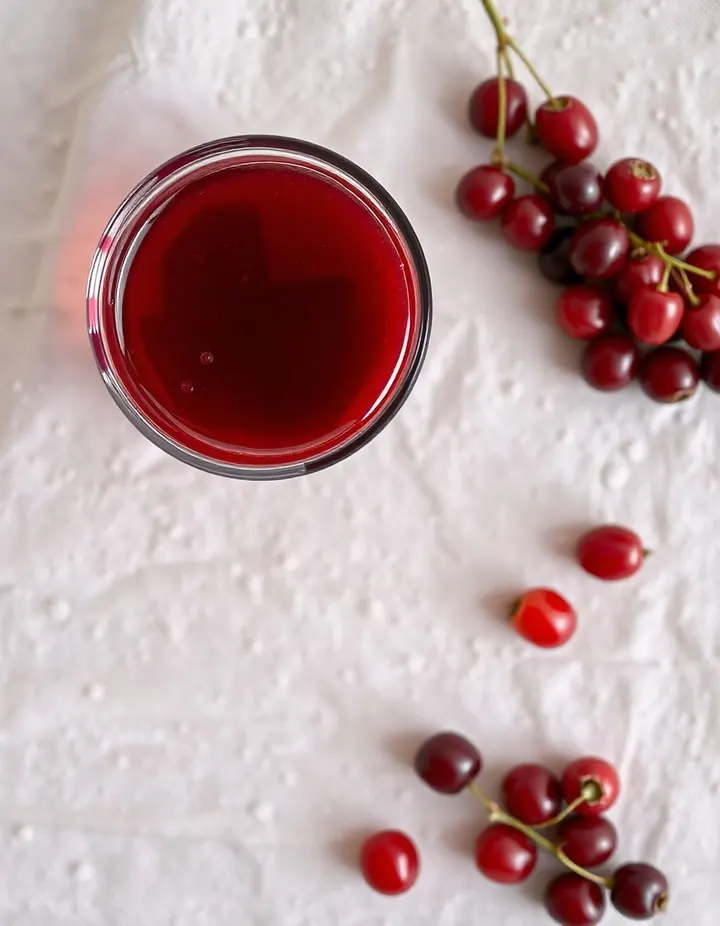 Red Currant Jelly65 recipes
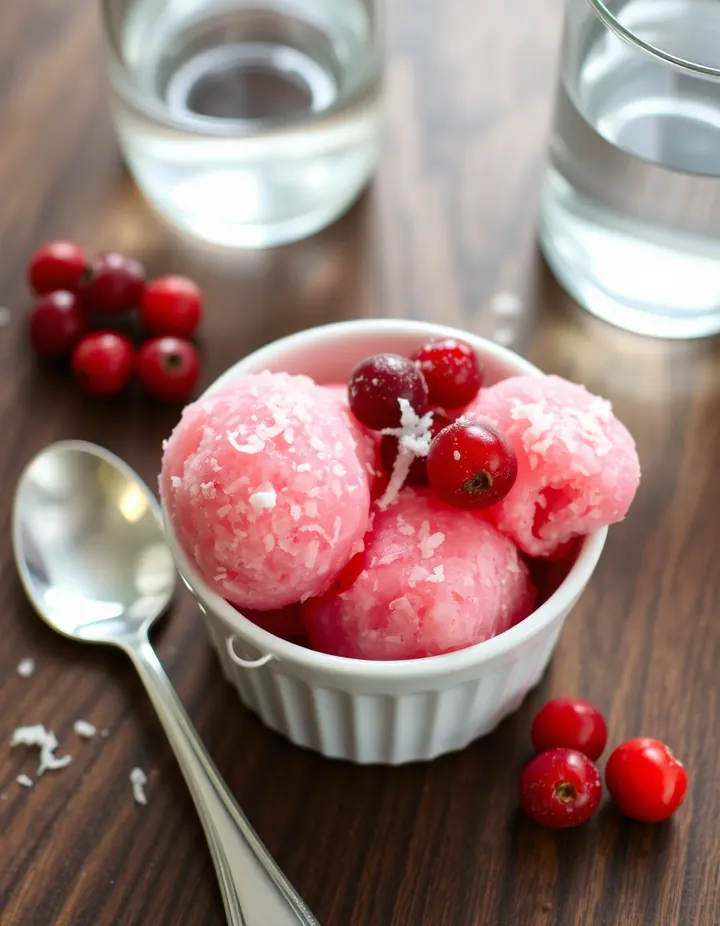 Currant Ice Cream32 recipes
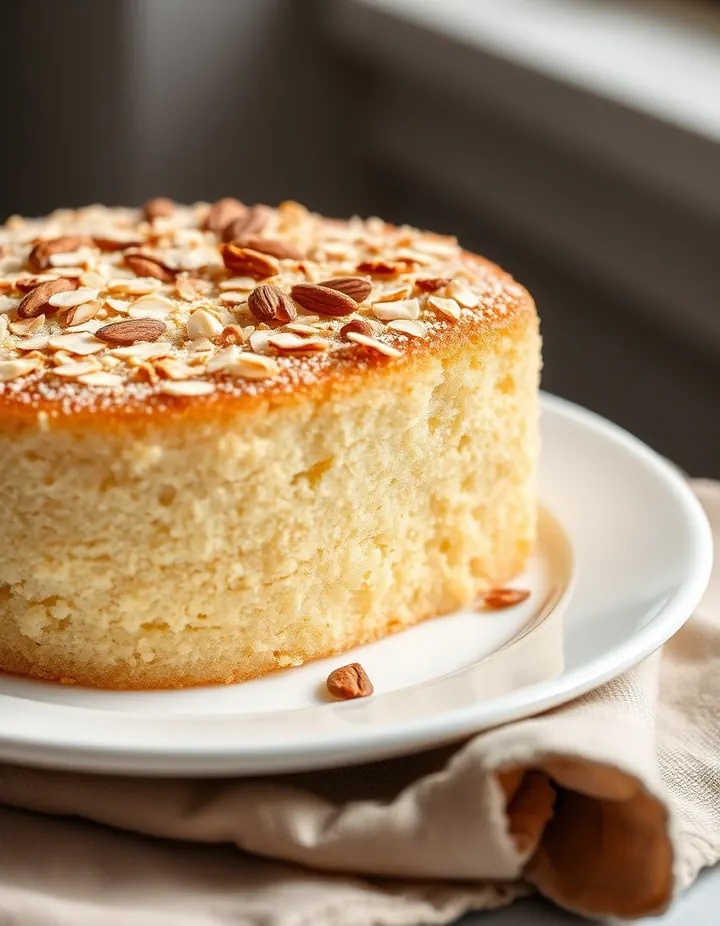 Almond Sponge Cake26 recipes
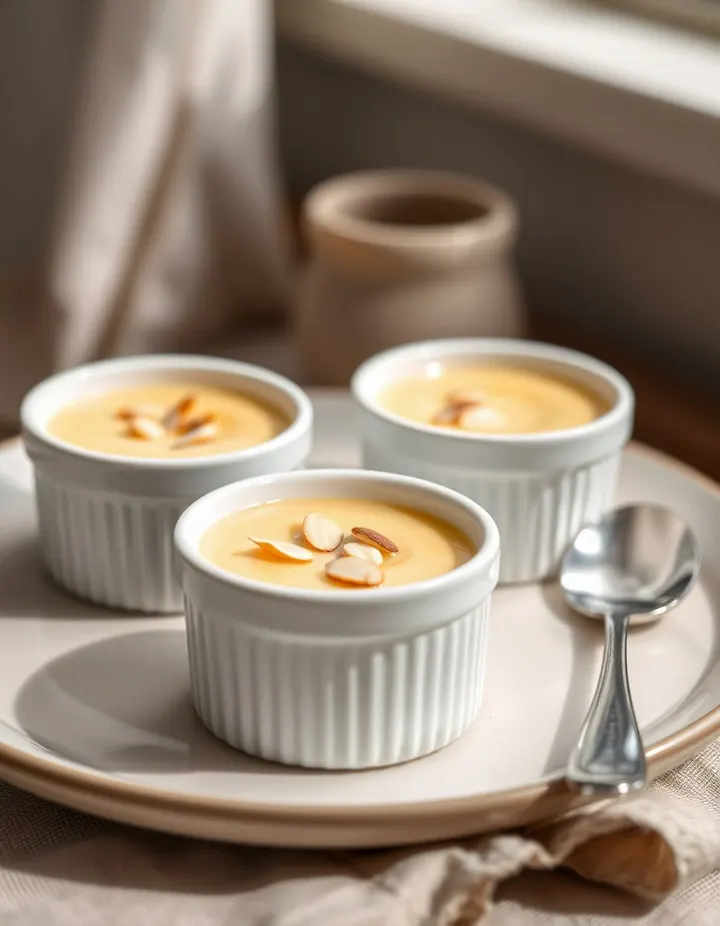 Almond Custard22 recipes
The free Flavor Lab newsletter: one surprising pairing a week and the molecular reason it works, in 60 seconds. No spam, unsubscribe anytime.
Prefer an account? Create a free account to save pairings and unlock the full chemistry.