Why it works: Almond and angelica match in chemistry and in kitchens. They rank in the top 6% of all ingredient pairs, and cooks put them together in 135 recipes. Both carry alpha-pinene, which smells pine, turpentine. The science ↓
Nougat Baskets
Ingredients
Directions
Prepare the almonds
Blanch the almonds.
Chop or shred the almonds.
Bake the almonds on a tin until light brown.
Make the nougat
Combine sugar, water, and cream of tartar in a small pan.
Boil the mixture.
Skim the mixture.
Cover the mixture for 1-2 minutes.
Wipe the sides of the pan with a damp cloth.
Boil gently without stirring until it reaches 300°F (150°C) or a pale yellow color.
Stir in the almonds once the sugar is yellow.
Shape the baskets
Oil a marble slab, palette knife, basket molds, and your fingers.
Pour a little boiled sugar onto the slab.
Flatten the sugar with the palette knife.
When cool enough, lift the sugar onto the knife.
Place the sugar in the mold.
Press the sugar into the shape of the mold.
Pull the sugar out of the mold when slightly cool.
Roll some nougat into balls.
Place each nougat ball on top of the mold.
Press gently to form a small stand.
Fill and decorate
When cold, fill each basket with thick whipped cream, flavored and sweetened.
Soak lengths of angelica in warm water to make them pliable.
Form handles from the angelica.
Drop chopped candied cherries or other fruit into each basket.
Transcribed from a scanned cookbook and modernised for today's kitchens. Where the book gave no heat or time, or said "a moderate oven", the temperatures and times here may be modern equivalents rather than the book's own figures.
Explore the science
The flavor team
The pairs that carry this dish. Each one is judged two ways: how much their aromas overlap, and how often cooks already put them together.
-
Almond + angelicatop 6% of all pairsSmell alikestrongCooked together135 recipes
Shared aroma: alpha-pinene (pine, turpentine).
-
Sugar + creamtop 9% of all pairsSmell alikemoderateCooked together43,450 recipes
Shared aroma: 2,3-butanedione (butter, sweet).
-
Cream + almondtop 16% of all pairsSmell alikemoderateCooked together5,130 recipes
Shared aroma: 2-heptanol (bitter, floral).
-
Sugar + almondtop 18% of all pairsSmell alikemoderateCooked together15,679 recipes
Shared aroma: 1-penten-3-one (fish, pungent).
-
Cream + angelicatop 19% of all pairsSmell alikelowCooked together237 recipes
Shared aroma: octanal (fat, soap).
Ranks compare each pair with 20,000 random ingredient pairs on CompKitchen. How we score pairs
What each ingredient does
- Castor sugar
- Forms the brittle, glassy structure of the nougat when boiled to a set caramel.
- Cream of tartar
- Acidity that helps prevent the sugar from crystallising, keeping the mixture smooth.
- Sweet almonds
- Add crunch and nutty flavour that holds the nougat together.
- Whipped cream
- Adds moisture and a soft, creamy contrast to the crisp sugar basket.
The step that matters
Boil gently without stirring to 300°F (150°C). Stirring can trigger sugar crystallisation, making the nougat grainy. Stopping at the right temperature sets the sugar firm enough to shape without turning brittle-bitter or too soft.
Swap the angelica
How well each one fits the dish's main ingredients (sugar, cream, almond):
- Cinnamonfits better
- Nutmegfits better
- Angelicathe original
- Capersfits less well
Fit is the average pairing score against sugar, cream, almond. Candidates are from the same food group and used in at least 100 recipes.
“What each ingredient does” and “The step that matters” were written by Claude from this recipe’s own method and reviewed in samples by CompKitchen.
You might also like
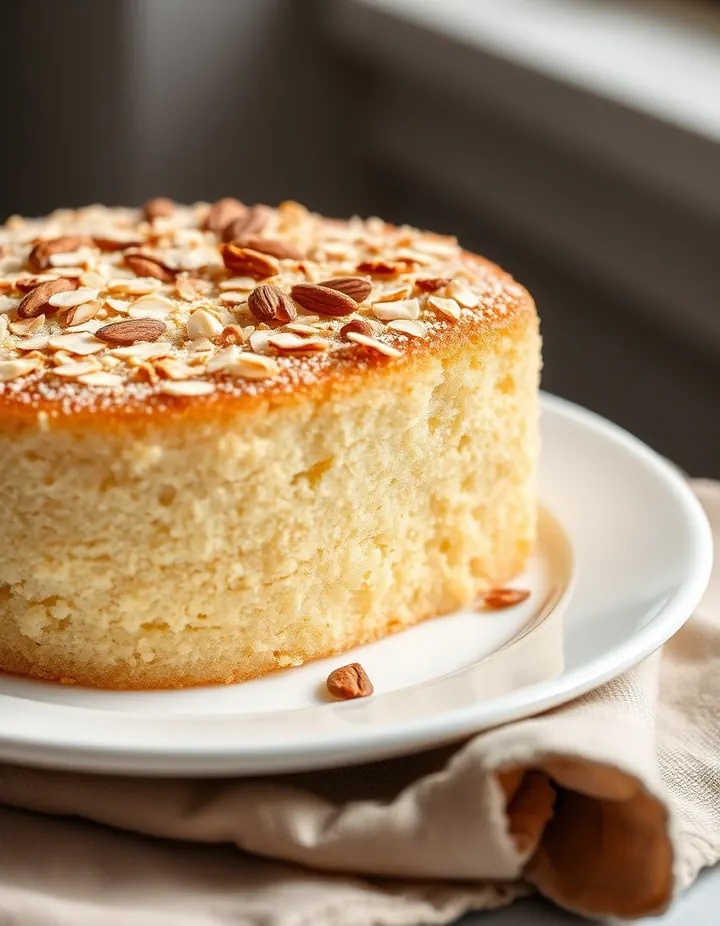 Almond Sponge Cake26 recipes
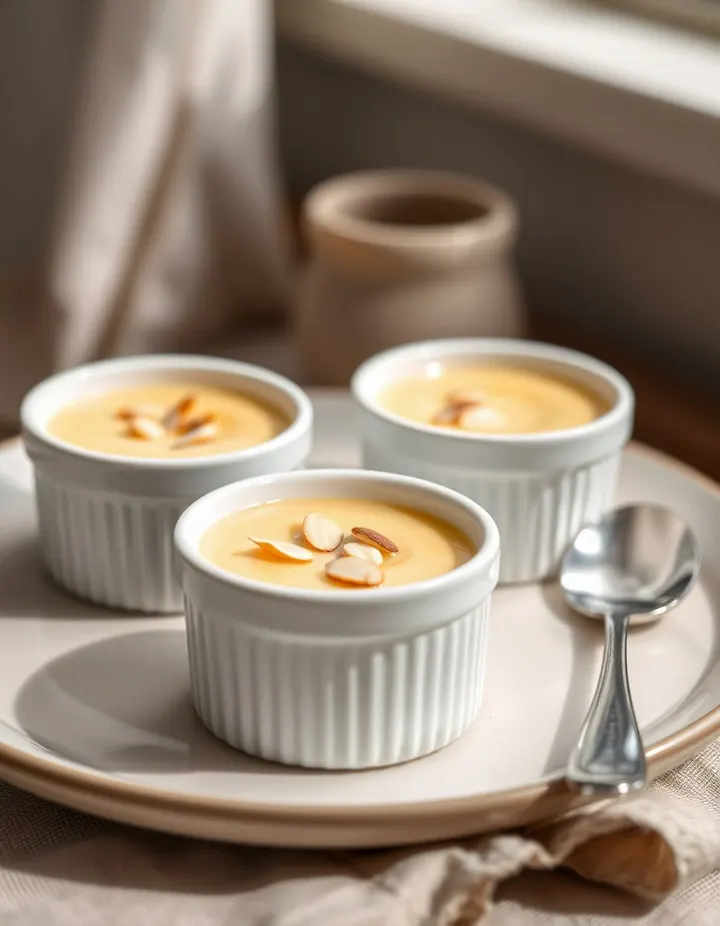 Almond Custard22 recipes
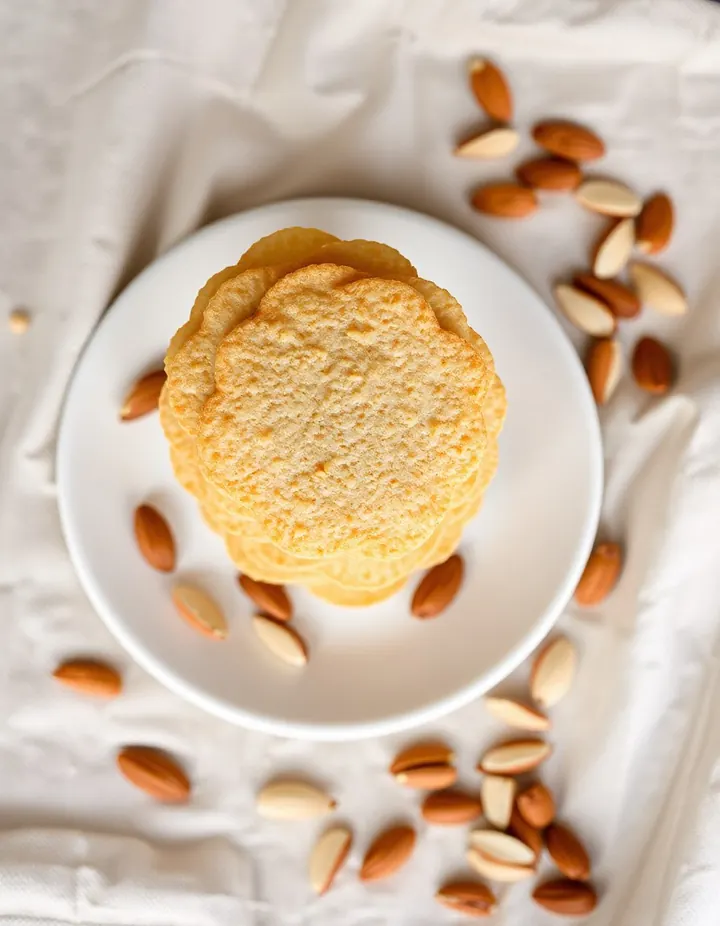 Almond Wafers22 recipes
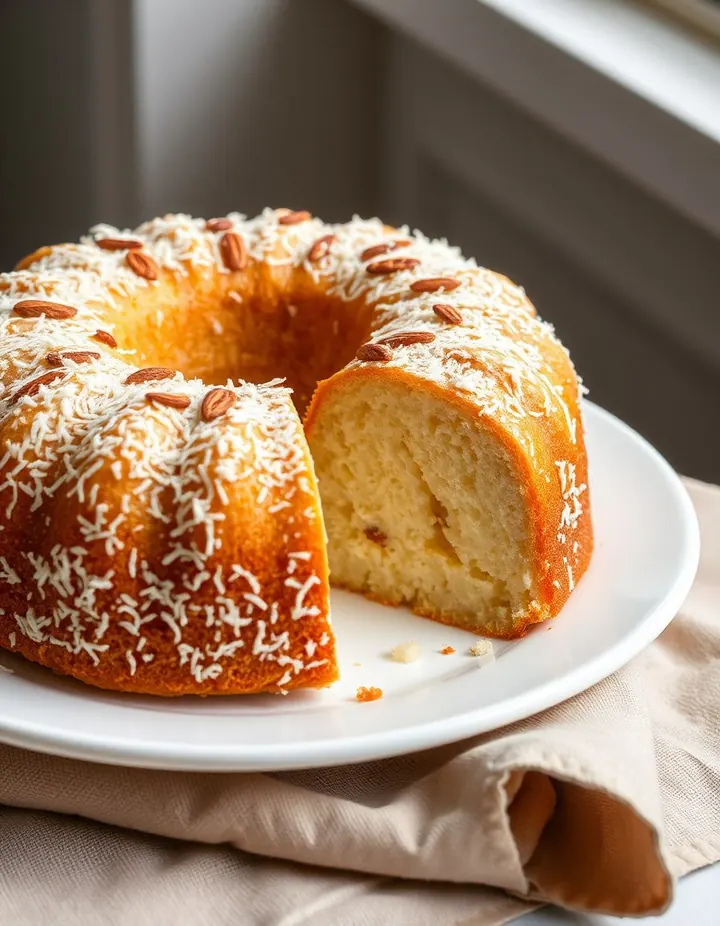 Coconut Almond Cake17 recipes
The free Flavor Lab newsletter: one surprising pairing a week and the molecular reason it works, in 60 seconds. No spam, unsubscribe anytime.
Prefer an account? Create a free account to save pairings and unlock the full chemistry.