Why it works: Flour and ginger are a kitchen classic. They rank in the top 15% of all ingredient pairs, and cooks put them together in 8,564 recipes. Both carry isobutyraldehyde, which smells malty, green. The science ↓
Common Chester Cake
Ingredients
Directions
The book says “a sharp oven”. The 400°F (200°C) in the steps is the modern equivalent, not the book's own figure.
Make the batter
In a basin, combine the flour, carbonate of soda, black treacle, muriatic acid, currants, and ginger.
Mix with water until the batter reaches a spreadable consistency.
Line, fill and bake
Prepare a large flat tin with a thin layer of paste made from fine flour and lard.
Spread the batter evenly over the paste in the tin.
Roll out a thin layer of paste to cover the top, then place it over the batter.
Prick the top with a docker, wash with egg or milk, and stab with a fork.
Bake in a brisk oven at 400°F (200°C) until done.
Transcribed from a scanned cookbook and modernised for today's kitchens. Where the book gave no heat or time, or said "a moderate oven", the temperatures and times here may be modern equivalents rather than the book's own figures.
Explore the science
The flavor team
The pairs that carry this dish. Each one is judged two ways: how much their aromas overlap, and how often cooks already put them together.
-
Flour + gingertop 15% of all pairsSmell alikemoderateCooked together8,564 recipes
Shared aroma: isobutyraldehyde (malty, green).
-
Currant + gingertop 21% of all pairsSmell alikelowCooked together834 recipes
Shared aroma: isoamyl acetate (banana, pear).
-
Flour + curranttop 26% of all pairsSmell alikelowCooked together8,077 recipes
Ranks compare each pair with 20,000 random ingredient pairs on CompKitchen. How we score pairs
What each ingredient does
- Coarse flour
- Forms the main structure of the cake as the batter sets.
- Carbonate of soda
- Reacts with the acid to release gas, helping the cake rise and open up.
- Muriatic acid
- Reacts with the carbonate of soda to produce the rising gas and adds a sharp edge.
- Black treacle
- Adds sweetness, moisture and a deep brown colour.
- Currants
- Add sweetness and chewy fruit pieces throughout the cake.
- Lard
- Adds fat that makes the paste layer tender and short.
The step that matters
Bake in a brisk oven until done. A hot oven sets the outside quickly so the cake holds its shape and browns, while the centre needs enough heat to cook through. Too low a heat makes the cake heavy and wet inside, and the acid and soda reaction works best when the batter goes into the oven without delay.
Swap the currant
How well each one fits the dish's main ingredients (flour, ginger):
- Raisinfits better
- Limefits better
- Lemonfits better
- Currantthe original
Fit is the average pairing score against flour, ginger. Candidates are from the same food group and used in at least 100 recipes.
“What each ingredient does” and “The step that matters” were written by Claude from this recipe’s own method and reviewed in samples by CompKitchen.
You might also like
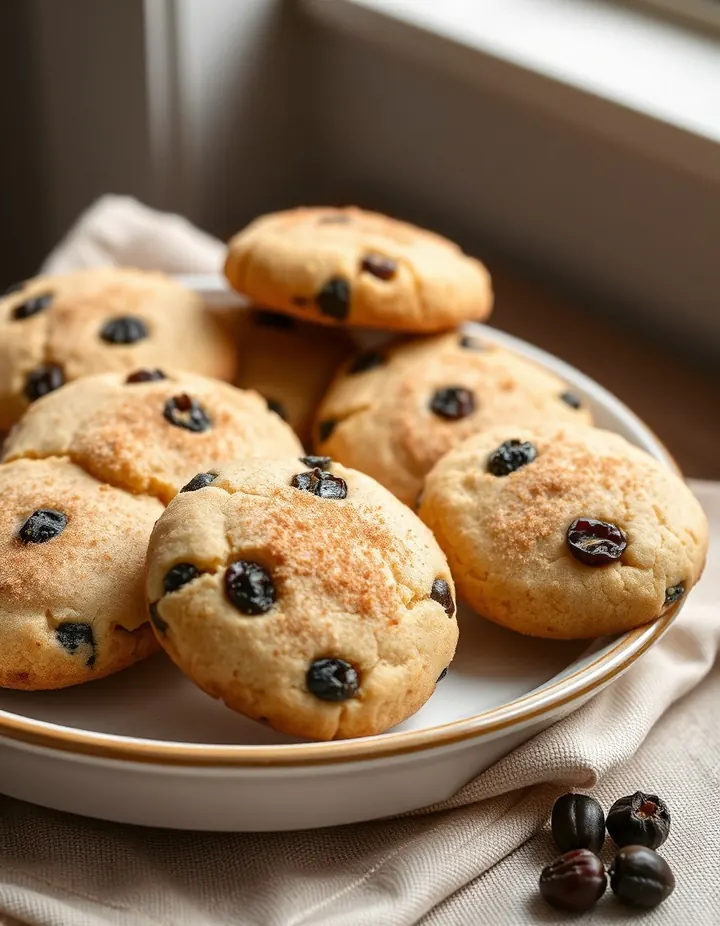 Currant Cookies8 recipes
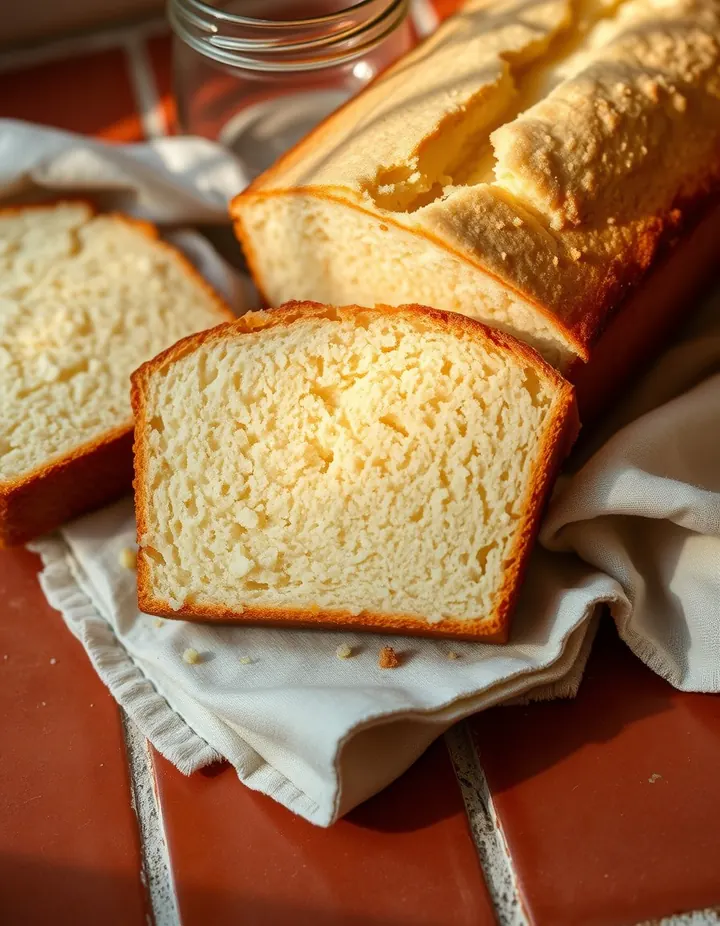 Delicate Cake246 recipes
 Boiled Frosting69 recipes
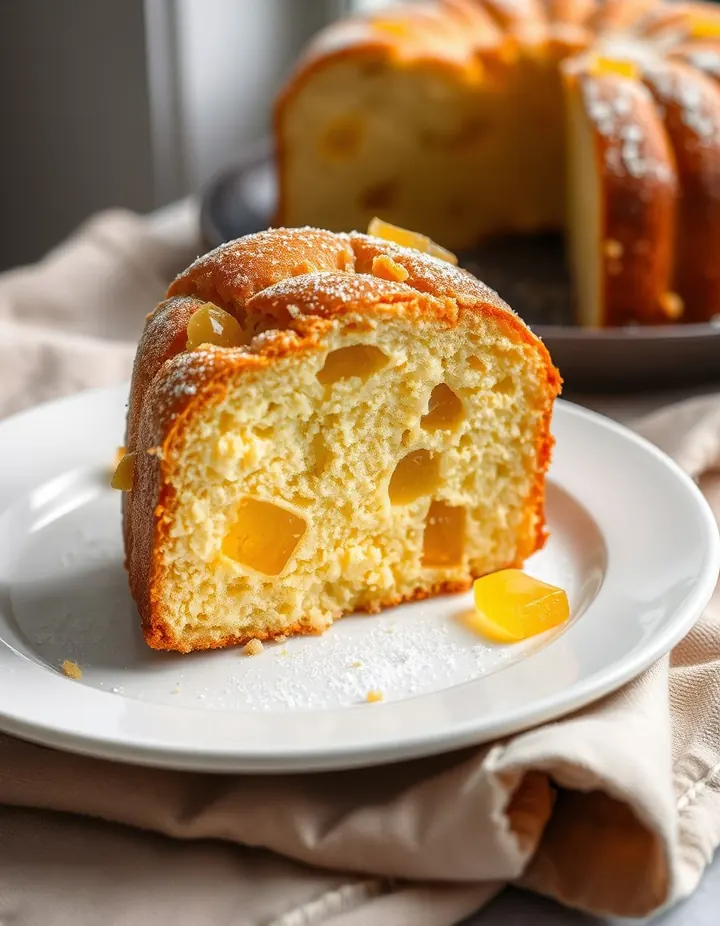 Citron Cake68 recipes
The free Flavor Lab newsletter: one surprising pairing a week and the molecular reason it works, in 60 seconds. No spam, unsubscribe anytime.
Prefer an account? Create a free account to save pairings and unlock the full chemistry.