Why it works: Pepper and lemon match in chemistry and in kitchens. They rank in the top 3% of all ingredient pairs, and cooks put them together in 27,047 recipes. Both carry trans-2-nonenal, which smells cardboard, fatty. The science ↓
Quenelles of Veal
Ingredients
Directions
Prepare the panada
Soak the breadcrumbs in a little milk for a few minutes, then squeeze them dry.
Melt the butter in a pan, add the breadcrumbs, and stir until they form a paste.
Shape the quenelles
Remove from heat and add the minced veal, seasonings, and eggs; rub through a wire sieve.
Shape the mixture into small egg shapes using two dessert spoons dipped in boiling water.
Poach and serve
Place the quenelles in a well-greased stew pan and pour boiling water gently into the pan until they are covered.
Simmer very slowly for twenty minutes.
Serve with a good white sauce and arrange on a potato border with a vegetable puree in the center.
Transcribed from a scanned cookbook and modernised for today's kitchens. Where the book gave no heat or time, or said "a moderate oven", the temperatures and times here may be modern equivalents rather than the book's own figures.
Explore the science
The flavor team
The pairs that carry this dish. Each one is judged two ways: how much their aromas overlap, and how often cooks already put them together.
-
Pepper + lemontop 3% of all pairsSmell alikestrongCooked together27,047 recipes
Shared aroma: trans-2-nonenal (cardboard, fatty).
-
Butter + milktop 7% of all pairsSmell alikemoderateCooked together81,283 recipes
Shared aroma: (z)-4-heptenal (biscuit, cream).
-
Lemon + milktop 15% of all pairsSmell alikemoderateCooked together19,053 recipes
Shared aroma: 2-nonenal (fatty, green).
-
Pepper + macetop 16% of all pairsSmell alikelowCooked together12,257 recipes
Shared aroma: myristicin (spice, warm).
-
Butter + lemontop 16% of all pairsSmell alikemoderateCooked together41,227 recipes
Shared aroma: 3-hexenal (apple, fruity).
Pepper and mace barely smell alike, yet cooks put them together in 12,257 recipes: they work on texture and structure more than aroma.
Ranks compare each pair with 20,000 random ingredient pairs on CompKitchen. How we score pairs
What each ingredient does
- Veal
- Forms the main body of the quenelles, giving them their savory meaty flavor and structure when cooked.
- Butter
- Enriches the mixture with fat, adding richness and a tender texture.
- Breadcrumbs
- Absorb moisture and help bind the mixture, keeping the quenelles light and tender.
- Eggs
- Bind the mixture and set when heated, holding the quenelles together.
The step that matters
Simmer very slowly. Quenelles are delicate, bound mixtures. Gentle simmering keeps the water below a rolling boil, so the egg sets gradually without the shapes breaking apart or becoming rubbery and dense.
Swap the mace
How well each one fits the dish's main ingredients (veal, butter, pepper, egg, lemon, milk):
- Parsleyfits better
- Nutmegfits better
- Tarragonfits better
- Macethe original
Fit is the average pairing score against veal, butter, pepper, egg, lemon, milk. Candidates are from the same food group and used in at least 100 recipes.
“What each ingredient does” and “The step that matters” were written by Claude from this recipe’s own method and reviewed in samples by CompKitchen.
You might also like
 Lemon Sauce236 recipes
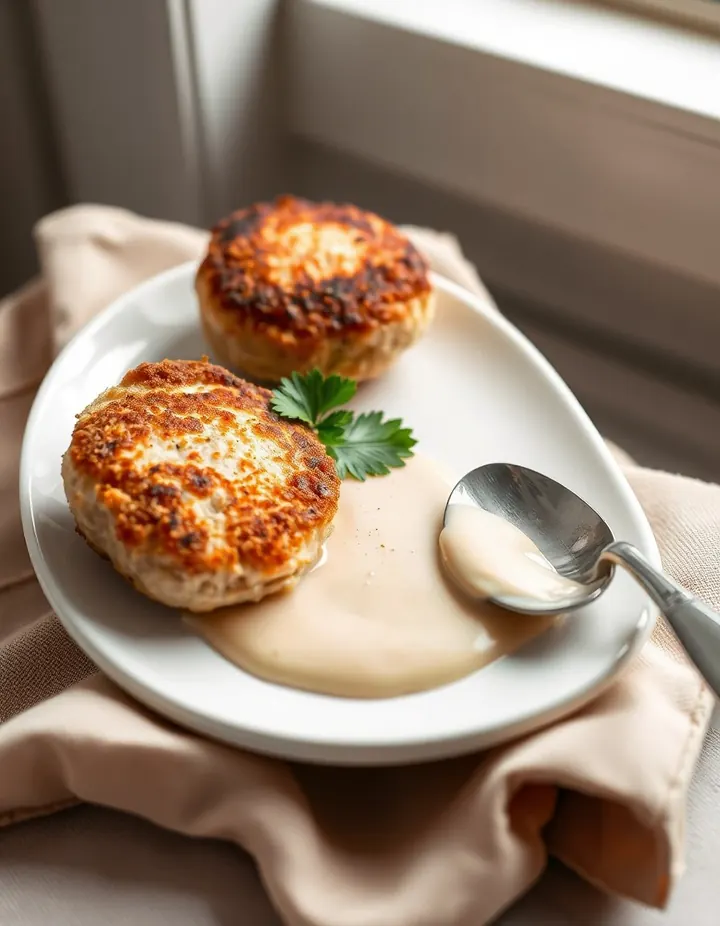 Veal Patties50 recipes
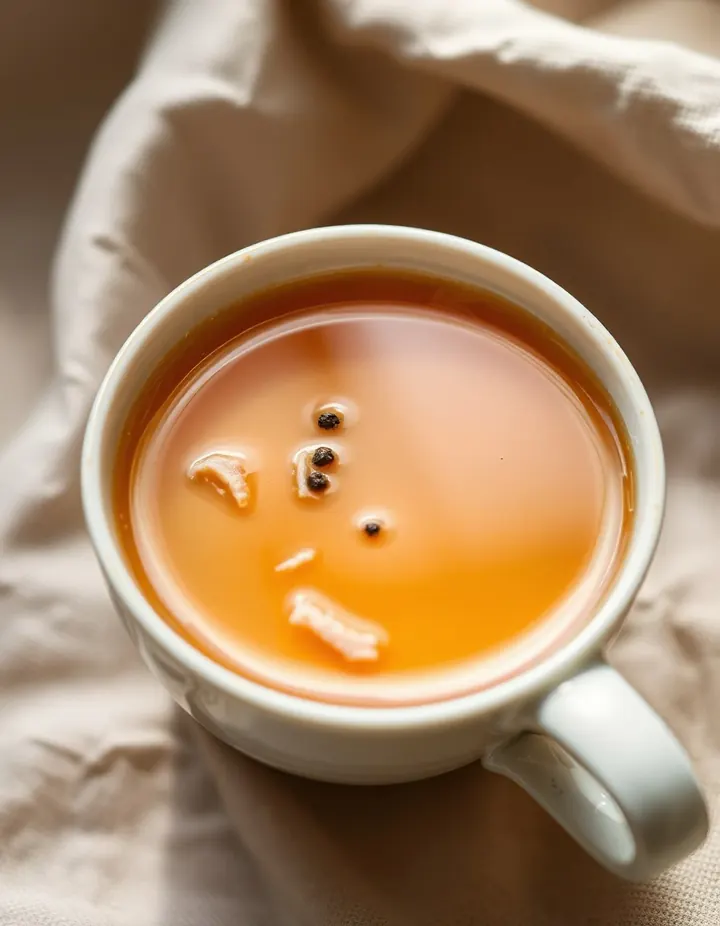 Beef, Mutton, or Veal Broth6 recipes
 Tomato Soup526 recipes
The free Flavor Lab newsletter: one surprising pairing a week and the molecular reason it works, in 60 seconds. No spam, unsubscribe anytime.
Prefer an account? Create a free account to save pairings and unlock the full chemistry.