Why it works: Almond and egg are a kitchen classic. They rank in the top 25% of all ingredient pairs, and cooks put them together in 12,645 recipes. Both carry 2,4-decadienal, which smells seaweed. The science ↓
To Blanch and to Pound Almonds
Ingredients
Directions
Blanch and peel
Place almonds in a saucepan with plenty of cold water and heat slowly until just scalding.
Transfer the almonds to a basin, peel them, and place them in cold water as you finish peeling.
Dry the almonds well with a soft cloth before using.
Dry and pound
For easier pounding, dry the almonds in a warm room for 2‑3 days on a large dish.
While pounding, sprinkle the almonds with a few drops of cold water, white of egg, or lemon juice.
Pound the almonds to a smooth paste, preferably after roughly chopping them.
Transcribed from a scanned cookbook and modernised for today's kitchens. Where the book gave no heat or time, or said "a moderate oven", the temperatures and times here may be modern equivalents rather than the book's own figures.
Explore the science
The flavor team
The pairs that carry this dish. Each one is judged two ways: how much their aromas overlap, and how often cooks already put them together.
-
Almond + eggtop 25% of all pairsSmell alikemoderateCooked together12,645 recipes
Shared aroma: 2,4-decadienal (seaweed).
Ranks compare each pair with 20,000 random ingredient pairs on CompKitchen. How we score pairs
What each ingredient does
- Almonds
- Provide the main body and fat of the paste once pounded smooth.
- White of egg
- Added in small amounts while pounding to help bind the almonds into a smooth paste.
- Lemon juice
- Added in small amounts while pounding to help bind the almonds into a smooth paste.
The step that matters
Heat the almonds only until just scalding. Slow heating to just below boiling loosens the skins so they slip off easily. Overheating can soften the almonds and cook them, making them harder to peel cleanly and altering their texture.
“What each ingredient does” and “The step that matters” were written by Claude from this recipe’s own method and reviewed in samples by CompKitchen.
You might also like
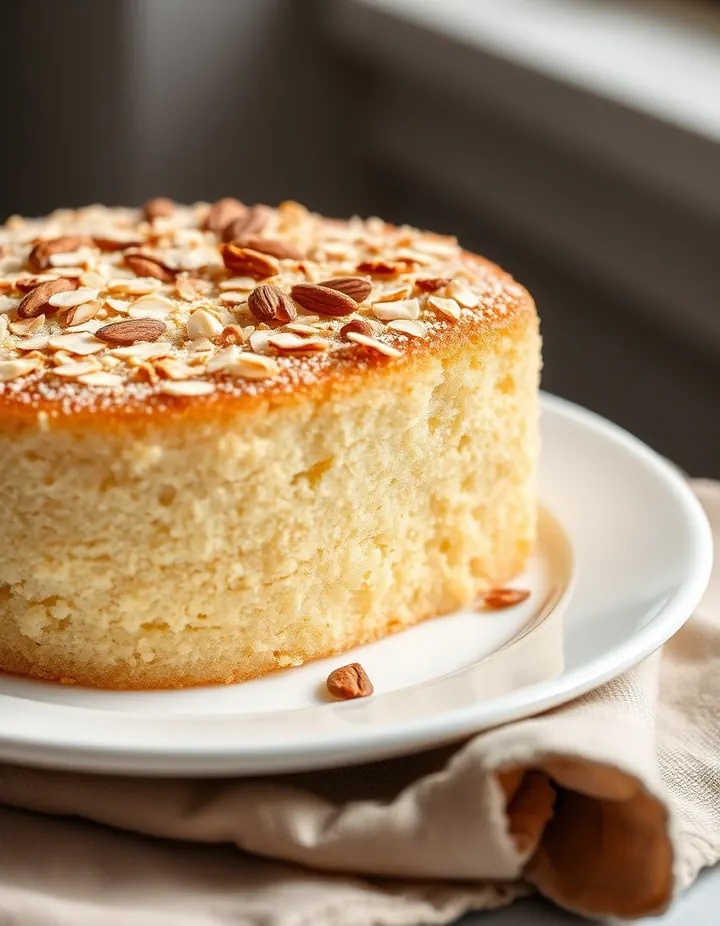 Almond Sponge Cake26 recipes
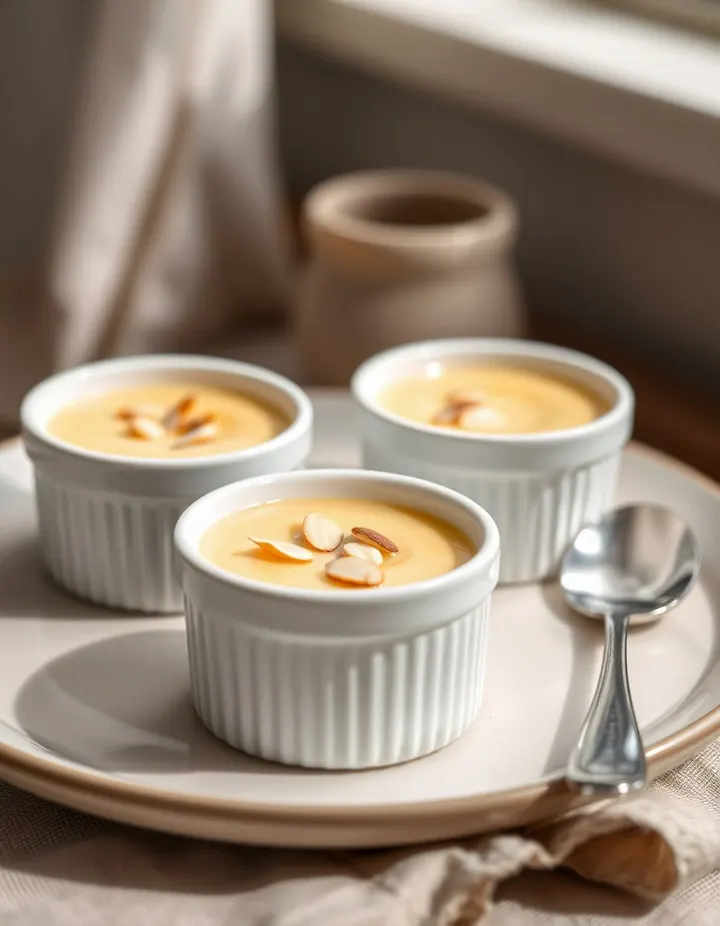 Almond Custard22 recipes
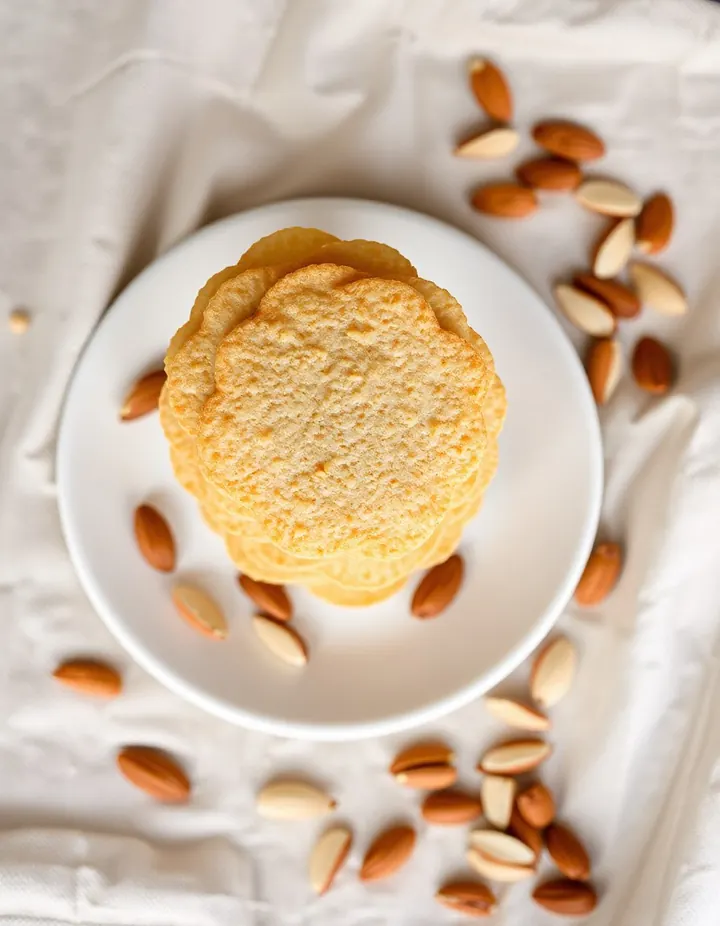 Almond Wafers22 recipes
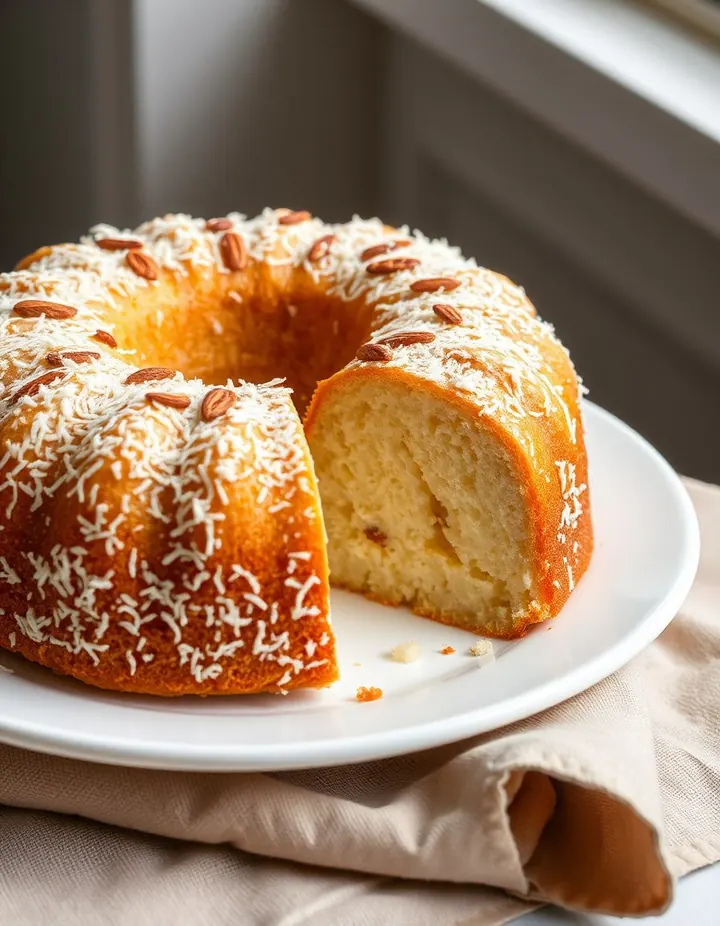 Coconut Almond Cake17 recipes
The free Flavor Lab newsletter: one surprising pairing a week and the molecular reason it works, in 60 seconds. No spam, unsubscribe anytime.
Prefer an account? Create a free account to save pairings and unlock the full chemistry.