Why it works: Rice and lemon are a kitchen classic. They rank in the top 12% of all ingredient pairs, and cooks put them together in 4,366 recipes. Both carry (e,e)-2,4-decadienal, which smells fatty, deep fried. The science ↓
Boiling for Curries
Ingredients
Directions
Prepare
Wash the rice in several changes of cold water until clear.
Bring 1 quart of water to a boil in a saucepan.
Add lemon juice and salt to the boiling water.
Cook and finish
Drop the rice into the boiling water and cook for about 13 minutes.
Test a grain for tenderness; it should be soft but not broken.
Strain the rice through a colander.
Rinse the rice with cold water to separate the grains.
Optionally, rinse the rice with hot water to keep it warm.
Fluff the rice gently with a fork.
Let the rice steam briefly, covered with a cloth.
Transcribed from a scanned cookbook and modernised for today's kitchens. Where the book gave no heat or time, or said "a moderate oven", the temperatures and times here may be modern equivalents rather than the book's own figures.
Explore the science
The flavor team
The pairs that carry this dish. Each one is judged two ways: how much their aromas overlap, and how often cooks already put them together.
-
Rice + lemontop 12% of all pairsSmell alikemoderateCooked together4,366 recipes
Shared aroma: (e,e)-2,4-decadienal (fatty, deep fried).
Ranks compare each pair with 20,000 random ingredient pairs on CompKitchen. How we score pairs
What each ingredient does
- Patna rice
- Starch that softens in boiling water to form the cooked grains of the dish.
- Lemon juice
- Adds a slight acidity that brightens the rice and helps grains stay separate.
The step that matters
Test a grain for tenderness. Rice keeps cooking from residual heat after straining, so a grain should be soft but intact when tested. Pulling it off the heat too late leaves it mushy, while too early leaves it firm in the center.
“What each ingredient does” and “The step that matters” were written by Claude from this recipe’s own method and reviewed in samples by CompKitchen.
You might also like
 Lemon Sauce236 recipes
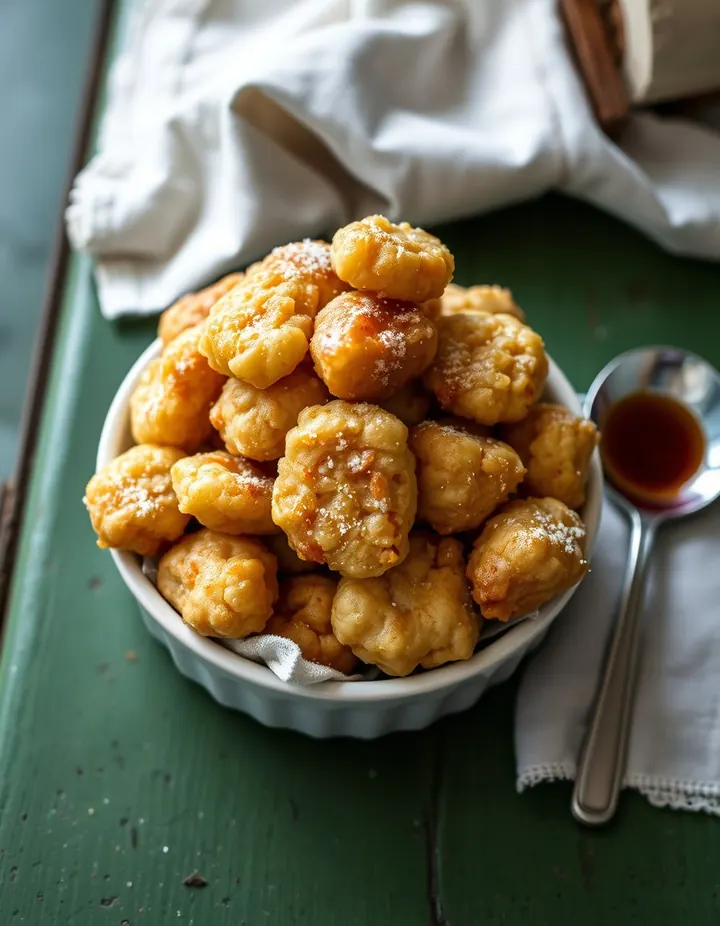 Rice Fritters84 recipes
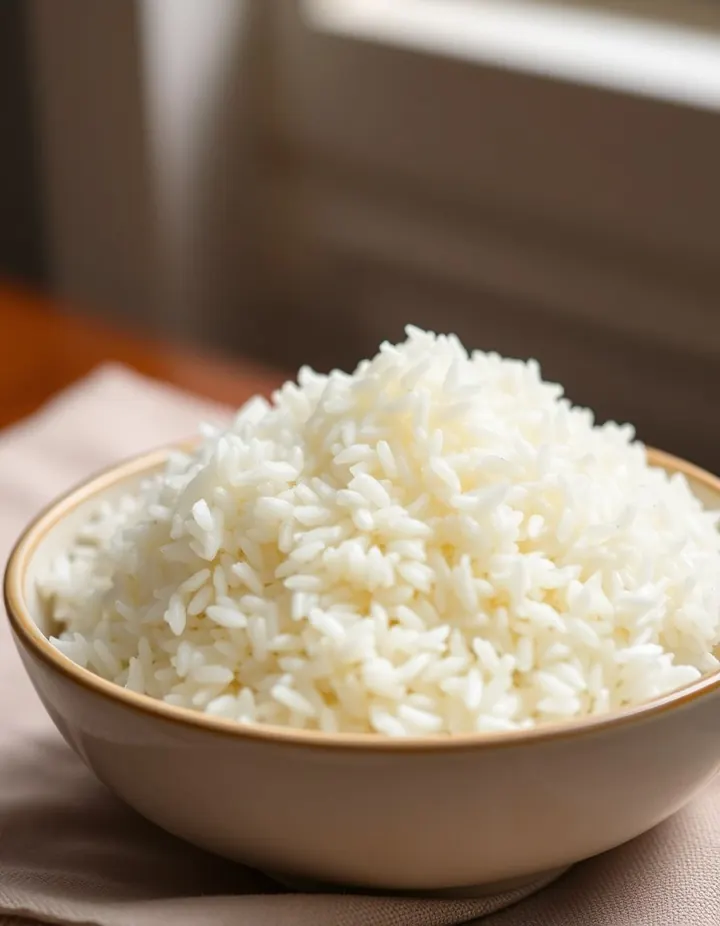 Steamed Rice48 recipes
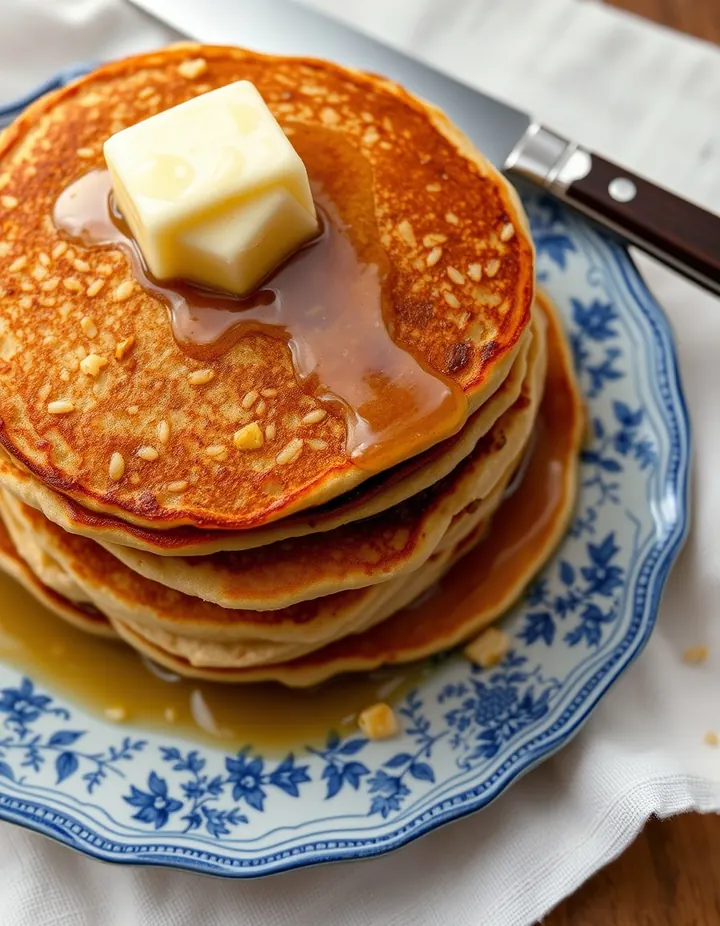 Rice Griddle Cakes28 recipes
The free Flavor Lab newsletter: one surprising pairing a week and the molecular reason it works, in 60 seconds. No spam, unsubscribe anytime.
Prefer an account? Create a free account to save pairings and unlock the full chemistry.