Why it works: Flour and butter are a kitchen classic. They rank in the top 12% of all ingredient pairs, and cooks put them together in 124,287 recipes. Both carry isobutyraldehyde, which smells malty, green. The science ↓
Fruit Pudding
Ingredients
Directions
Prepare the basin and paste
Grease a pint pudding basin with dripping and sprinkle with sugar.
Prepare the fruit as desired.
In a bowl, mix flour, salt, and baking powder. Add chopped suet to the flour mixture and combine.
Gradually add water to form a light, firm paste.
On a floured surface, cut off one-third of the paste for the top.
Roll out the larger piece and line the pudding basin with it.
Fill and steam
Layer half of the fruit in the basin, sprinkle with brown sugar, and add a little water. Add the remaining fruit on top.
Roll out the smaller piece of paste and place it on top of the fruit. Dampen the edges and fold the lining over the top, then flour it.
Tie a pudding cloth over the basin securely.
Boil in a saucepan filled with boiling water for 2 hours.
Serve
Remove the pudding from the water, take off the string and cloth.
Invert the pudding onto a hot dish and serve immediately.
Transcribed from a scanned cookbook and modernised for today's kitchens. Where the book gave no heat or time, or said "a moderate oven", the temperatures and times here may be modern equivalents rather than the book's own figures.
Explore the science
The flavor team
The pairs that carry this dish. Each one is judged two ways: how much their aromas overlap, and how often cooks already put them together.
-
Flour + buttertop 12% of all pairsSmell alikelowCooked together124,287 recipes
Shared aroma: isobutyraldehyde (malty, green).
-
Apple + buttertop 14% of all pairsSmell alikemoderateCooked together8,706 recipes
Shared aroma: trans-2-nonenal (cardboard, fatty).
-
Flour + sugartop 15% of all pairsSmell alikemoderateCooked together92,116 recipes
Shared aroma: phenylacetaldehyde (hawthorne, honey).
-
Sugar + buttertop 17% of all pairsSmell alikemoderateCooked together98,233 recipes
Shared aroma: guaiacol (smoky, sweet).
-
Apple + sugartop 18% of all pairsSmell alikelowCooked together16,478 recipes
Shared aroma: beta-damascenone (apple, rose).
Flour and butter barely smell alike, yet cooks put them together in 124,287 recipes: they work on texture and structure more than aroma.
Ranks compare each pair with 20,000 random ingredient pairs on CompKitchen. How we score pairs
What each ingredient does
- All-purpose flour
- Forms the paste that wraps and holds the fruit together as the pudding cooks.
- Suet
- Adds richness and a tender, crumbly texture to the paste.
- Baking powder
- Lifts the paste slightly so the pudding is light rather than dense.
- Fruit
- Provides the main filling, with moisture and flavour that softens during steaming.
- Brown sugar
- Adds sweetness and a molasses flavour to the fruit layer.
The step that matters
Securing the cloth and boiling steadily. If the cloth is loose or the water stops boiling, water can seep into the basin and make the paste soggy. Keeping the pudding fully submerged and the water at a steady boil ensures even, thorough steaming.
Swap the apple
How well each one fits the dish's main ingredients (flour, sugar, butter):
- Raisinfits better
- Vanillafits better
- Figfits better
- Applethe original
Fit is the average pairing score against flour, sugar, butter. Candidates are from the same food group and used in at least 100 recipes.
“What each ingredient does” and “The step that matters” were written by Claude from this recipe’s own method and reviewed in samples by CompKitchen.
More fruit pudding recipes
You might also like
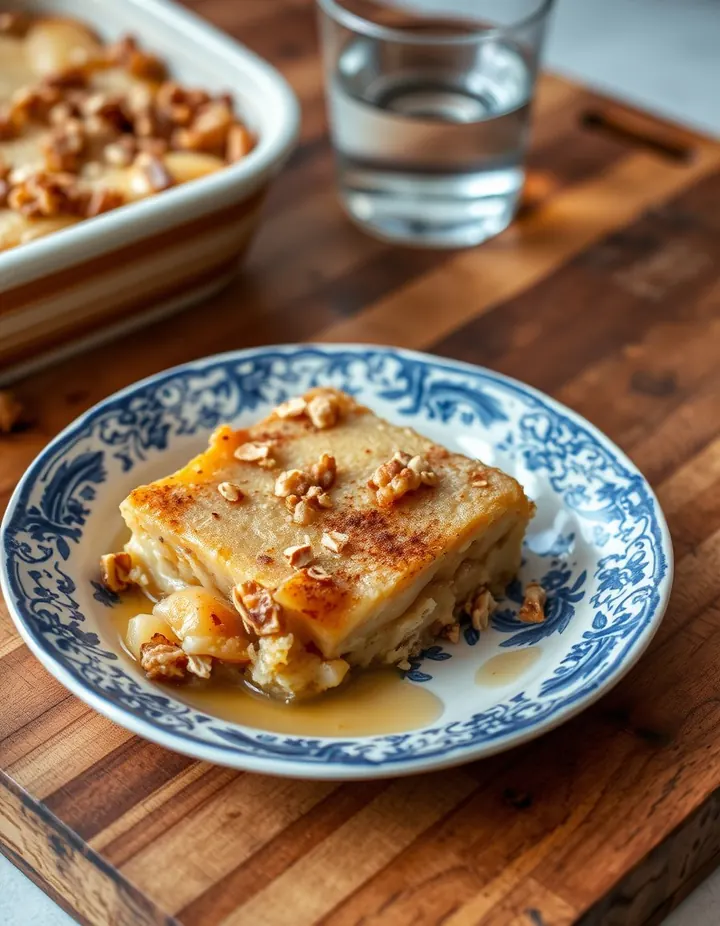 Apple Pudding256 recipes
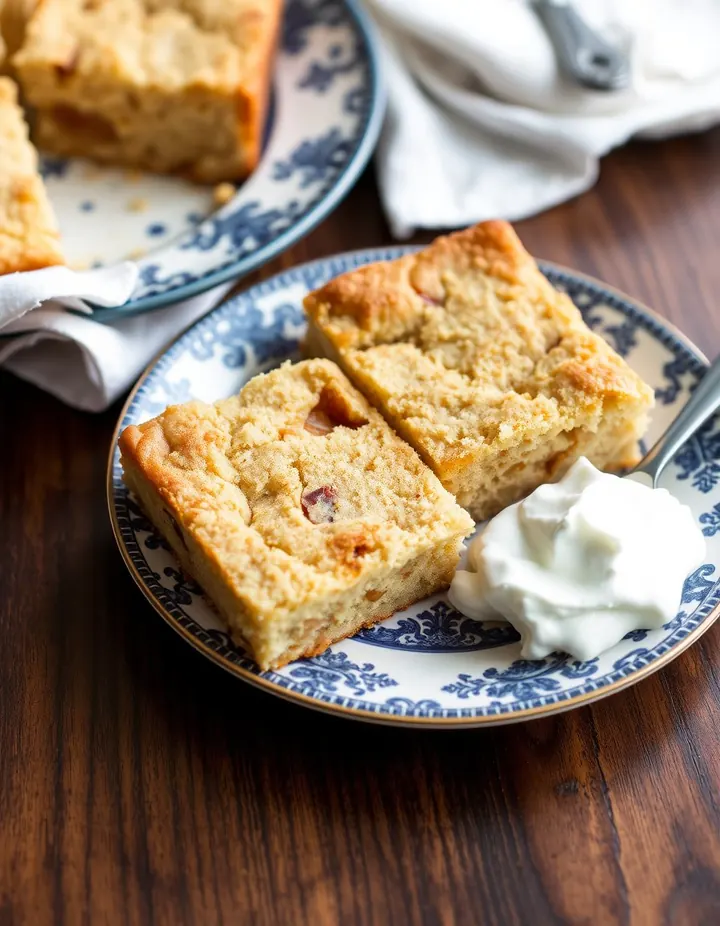 Apple Cake80 recipes
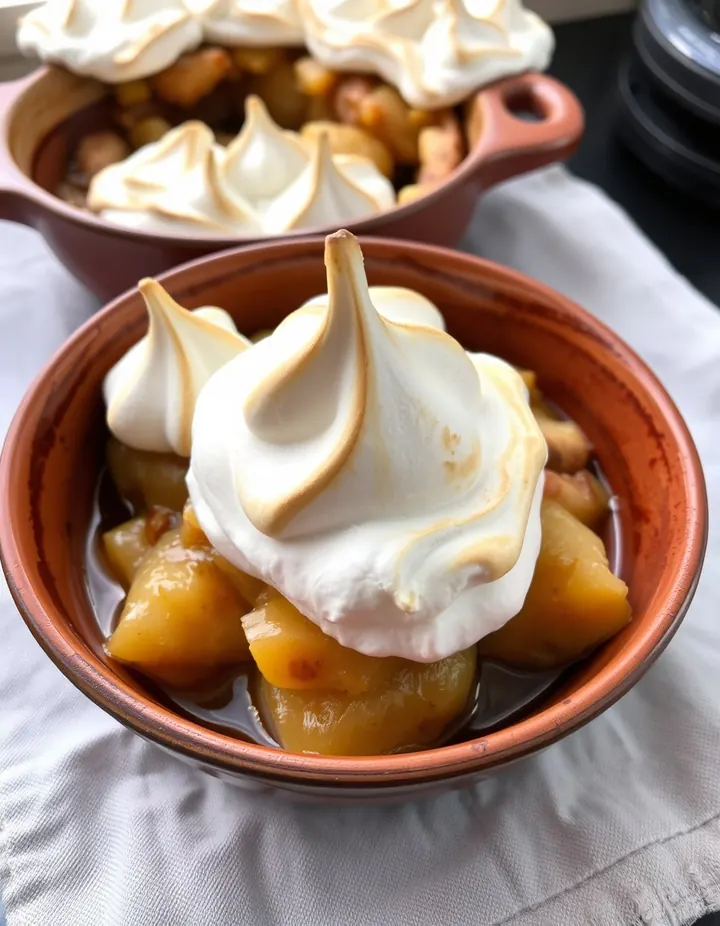 Apple Meringue75 recipes
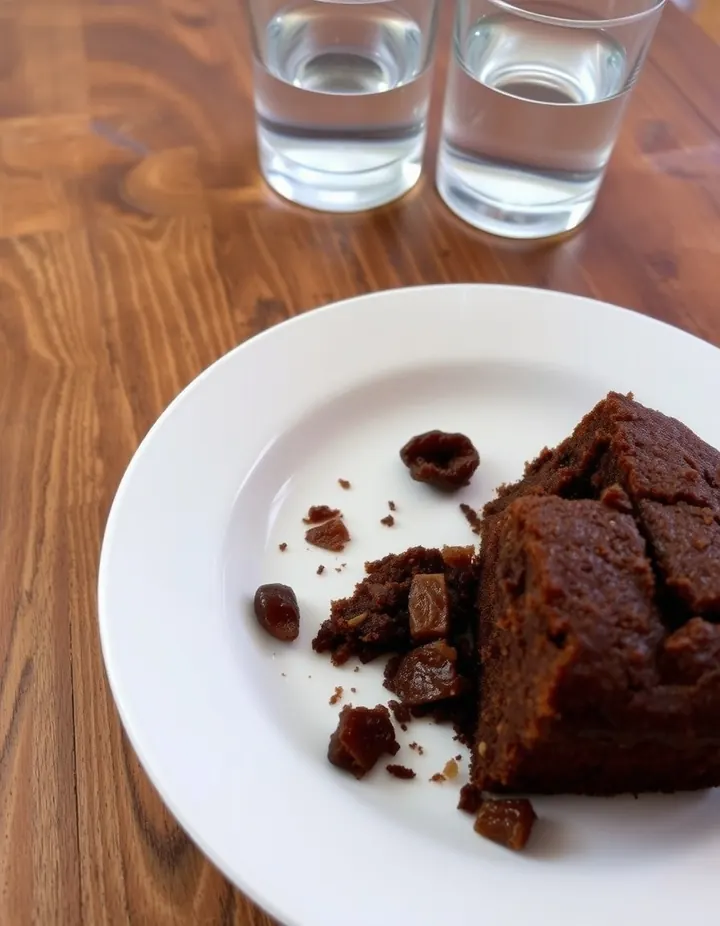 Dried Apple Cake51 recipes
The free Flavor Lab newsletter: one surprising pairing a week and the molecular reason it works, in 60 seconds. No spam, unsubscribe anytime.
Prefer an account? Create a free account to save pairings and unlock the full chemistry.