Why it works: Fish and butter are a kitchen classic. They rank in the top 12% of all ingredient pairs, and cooks put them together in 4,488 recipes. Both carry (z)-4-heptenal, which smells biscuit, cream. The science ↓
Fish Omelet
Ingredients
Directions
Prepare
Season the shredded cold fish.
Mix the seasoned fish with the beaten eggs to form a paste.
Cook and serve
Heat plenty of boiling butter in a pan.
Fry the mixture in thin cakes like pancakes until golden brown.
Serve hot on a napkin.
Transcribed from a scanned cookbook and modernised for today's kitchens. Where the book gave no heat or time, or said "a moderate oven", the temperatures and times here may be modern equivalents rather than the book's own figures.
Explore the science
The flavor team
The pairs that carry this dish. Each one is judged two ways: how much their aromas overlap, and how often cooks already put them together.
-
Fish + buttertop 12% of all pairsSmell alikemoderateCooked together4,488 recipes
Shared aroma: (z)-4-heptenal (biscuit, cream).
-
Egg + buttertop 17% of all pairsSmell alikemoderateCooked together118,967 recipes
Shared aroma: decanal (soap, orange peel).
-
Fish + eggtop 22% of all pairsSmell alikemoderateCooked together2,782 recipes
Shared aroma: 2-nonenal (fatty, green).
Ranks compare each pair with 20,000 random ingredient pairs on CompKitchen. How we score pairs
What each ingredient does
- Eggs
- Bind the fish into a paste that holds together when fried.
- Cold fish
- Forms the main body of the omelette, giving it flavour and substance.
- Butter
- Fries the cakes, adding fat for browning and a rich flavour.
The step that matters
Frying the cakes in plenty of hot butter. The cakes are thin and delicate, so they need enough hot fat to brown quickly and evenly. Browning comes from the Maillard reaction, which needs sustained surface heat. Too little or cool butter lets the cakes soak up fat and stick or break.
“What each ingredient does” and “The step that matters” were written by Claude from this recipe’s own method and reviewed in samples by CompKitchen.
You might also like
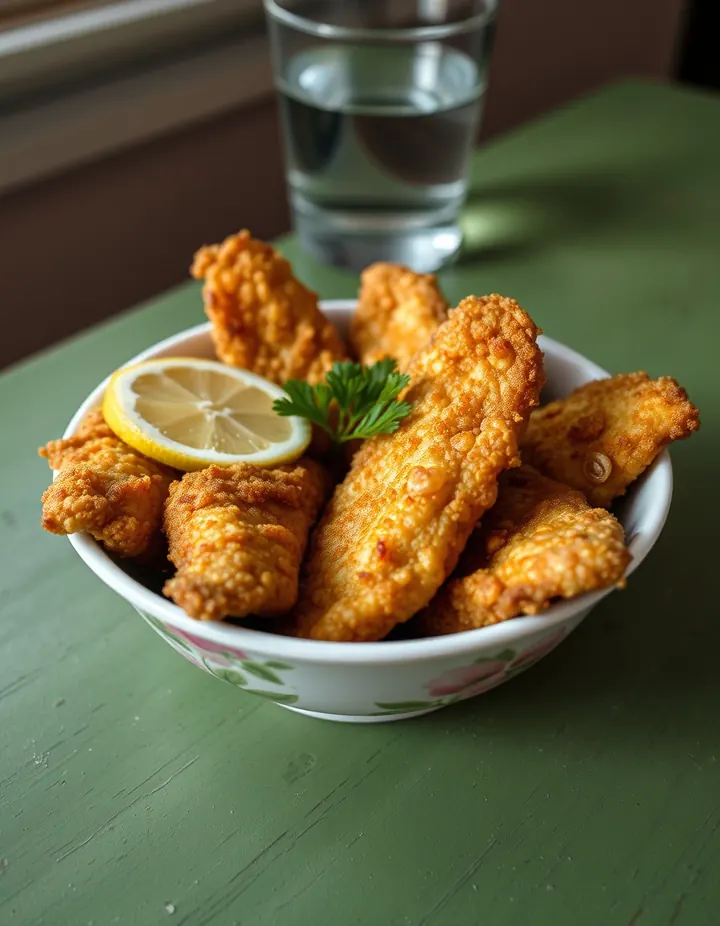 Fried Fish120 recipes
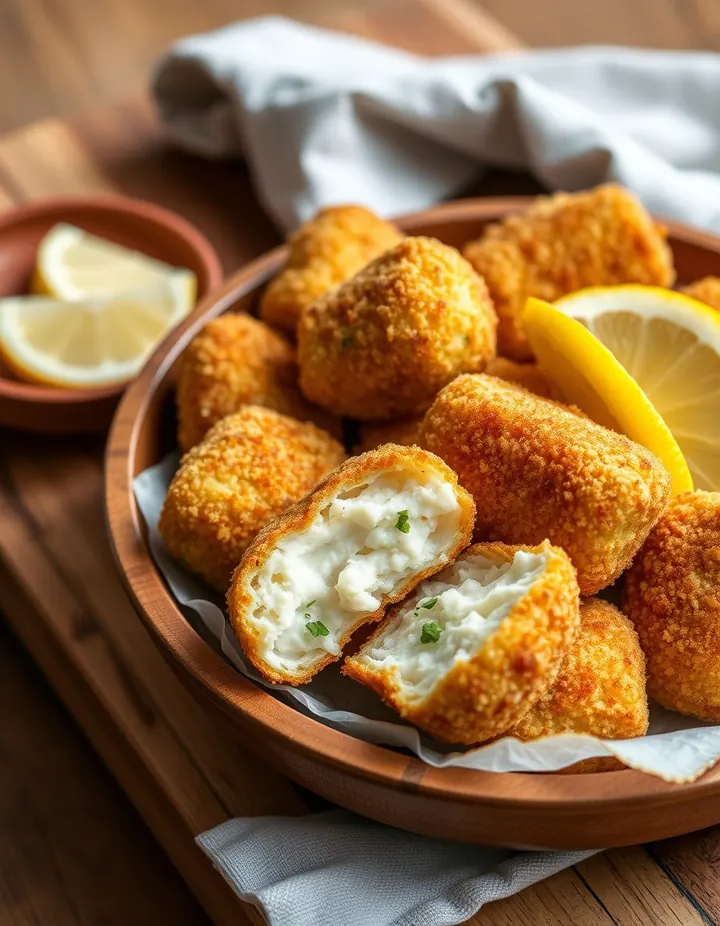 Fish Croquettes81 recipes
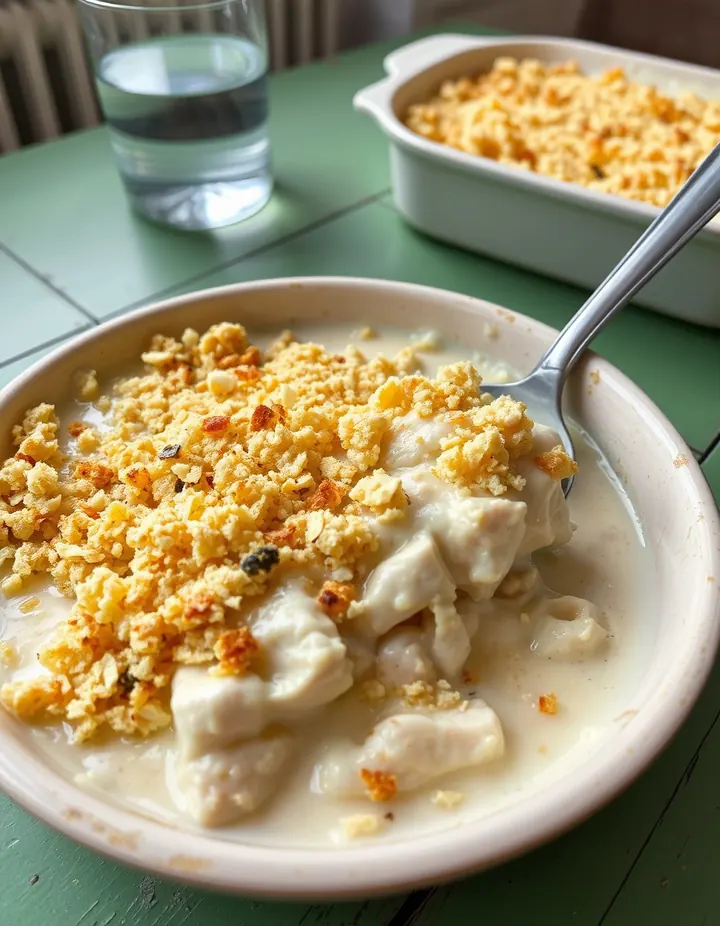 Scalloped Cod69 recipes
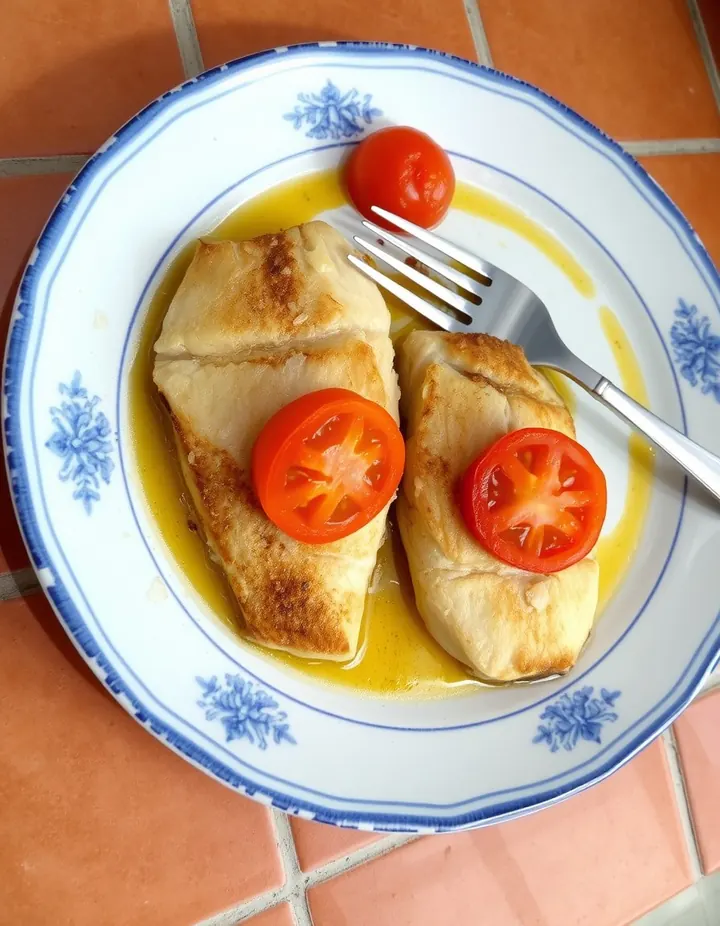 Broiled Fish68 recipes
The free Flavor Lab newsletter: one surprising pairing a week and the molecular reason it works, in 60 seconds. No spam, unsubscribe anytime.
Prefer an account? Create a free account to save pairings and unlock the full chemistry.