Why it works: Currant and rose work together. They rank in the top 11% of all ingredient pairs, and cooks put them together in 494 recipes. Both carry alpha-pinene, which smells pine, turpentine. The science ↓
Queen Cakes
Ingredients
Directions
The book says “a quick oven”. The 400°F (200°C) in the steps is the modern equivalent, not the book's own figure.
Prepare the batter
Mix the dried flour, sifted sugar, and washed currants in a bowl.
Wash the butter in rose-water and beat it well.
Add the beaten egg yolks and whites to the butter, mixing thoroughly.
Gradually incorporate the dry ingredients into the butter mixture, beating for one hour.
Fill and bake
Butter small tins, tea-cups, or saucers and fill them halfway with the batter.
Sprinkle a little fine sugar over the batter before placing it in the oven.
Bake in a preheated oven at 400°F (200°C) until golden.
Transcribed from a scanned cookbook and modernised for today's kitchens. Where the book gave no heat or time, or said "a moderate oven", the temperatures and times here may be modern equivalents rather than the book's own figures.
Explore the science
The flavor team
The pairs that carry this dish. Each one is judged two ways: how much their aromas overlap, and how often cooks already put them together.
-
Currant + rosetop 11% of all pairsSmell alikelowCooked together494 recipes
Shared aroma: alpha-pinene (pine, turpentine).
-
Flour + buttertop 12% of all pairsSmell alikelowCooked together124,287 recipes
Shared aroma: isobutyraldehyde (malty, green).
-
Flour + sugartop 15% of all pairsSmell alikemoderateCooked together92,116 recipes
Shared aroma: phenylacetaldehyde (hawthorne, honey).
-
Flour + eggtop 15% of all pairsSmell alikelowCooked together106,462 recipes
Shared aroma: isobutyraldehyde (malty, green).
-
Currant + buttertop 17% of all pairsSmell alikemoderateCooked together7,856 recipes
Shared aroma: isoamyl acetate (banana, pear).
Flour and butter barely smell alike, yet cooks put them together in 124,287 recipes: they work on texture and structure more than aroma.
Ranks compare each pair with 20,000 random ingredient pairs on CompKitchen. How we score pairs
What each ingredient does
- Butter
- Provides fat that makes the cakes rich and tender while carrying the batter's structure.
- Eggs
- Add structure and richness as they set, and their whites help the batter rise and hold air.
- Dried flour
- Forms the main structure of the cakes as its starch sets during baking.
- Sifted sugar
- Sweetens the cakes and helps brown the surface as they bake.
- Currants
- Add sweetness and chewy bursts of fruit throughout the cakes.
The step that matters
Beating the batter for one hour. Long beating incorporates air into the butter and egg mixture, which helps the cakes rise and gives them a light texture. Adding the dry ingredients gradually keeps the batter smooth and prevents lumps of flour.
Swap the currant
How well each one fits the dish's main ingredients (flour, sugar, butter, rose, egg):
- Raisinfits better
- Vanillafits better
- Lemonfits better
- Currantthe original
Fit is the average pairing score against flour, sugar, butter, rose, egg. Candidates are from the same food group and used in at least 100 recipes.
“What each ingredient does” and “The step that matters” were written by Claude from this recipe’s own method and reviewed in samples by CompKitchen.
You might also like
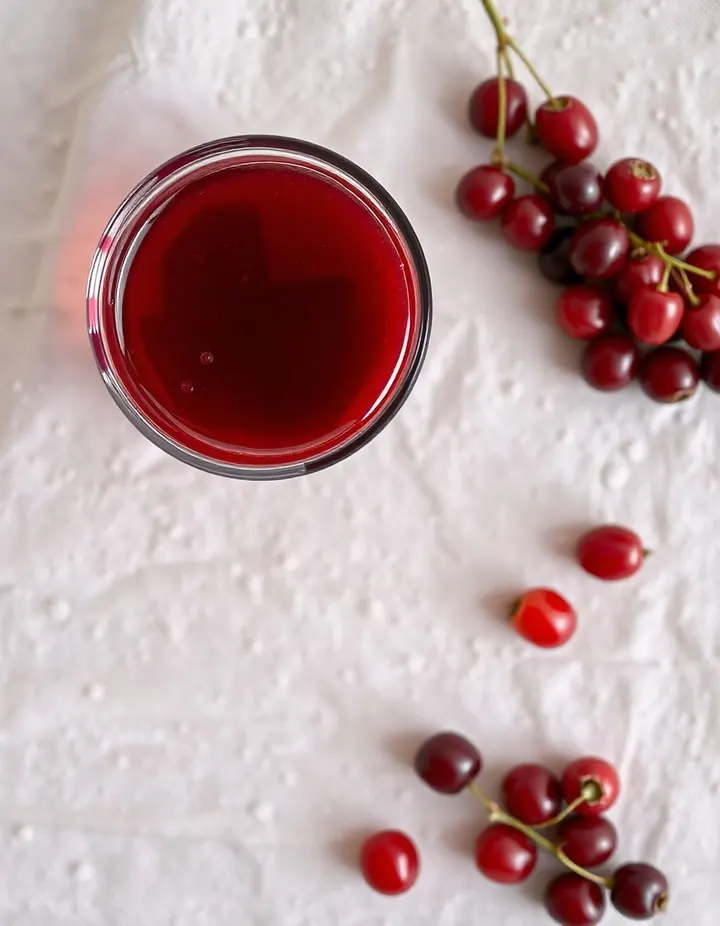 Red Currant Jelly65 recipes
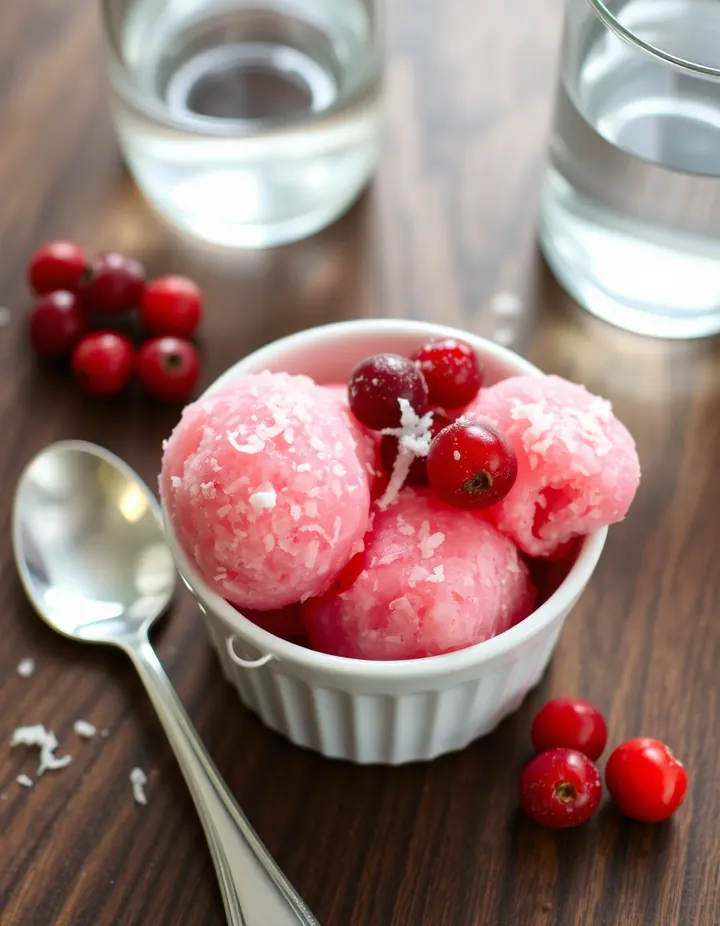 Currant Ice Cream32 recipes
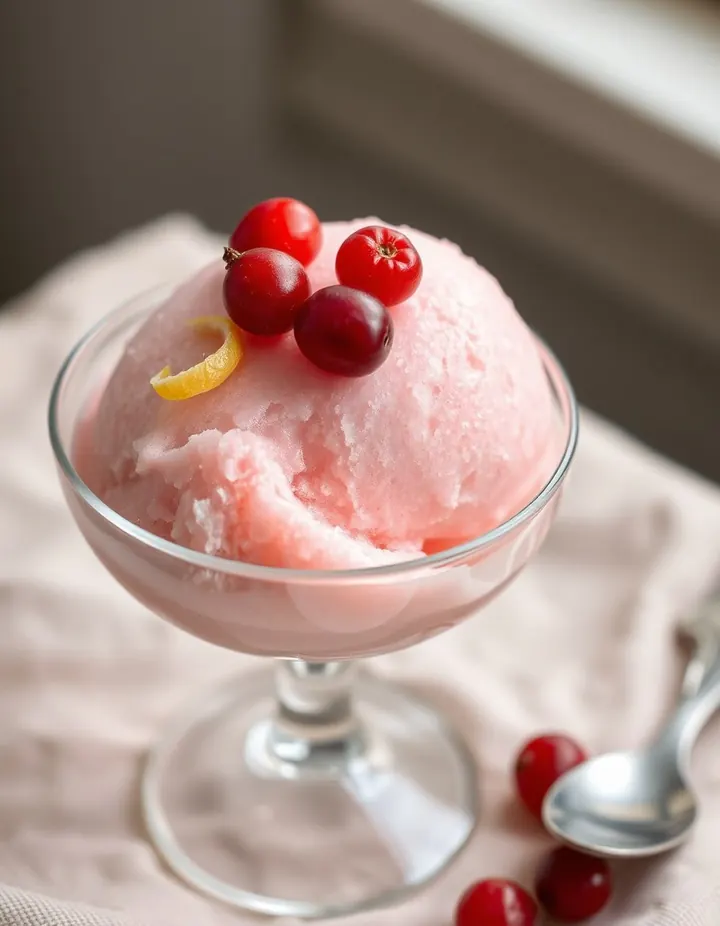 Currant Sherbet9 recipes
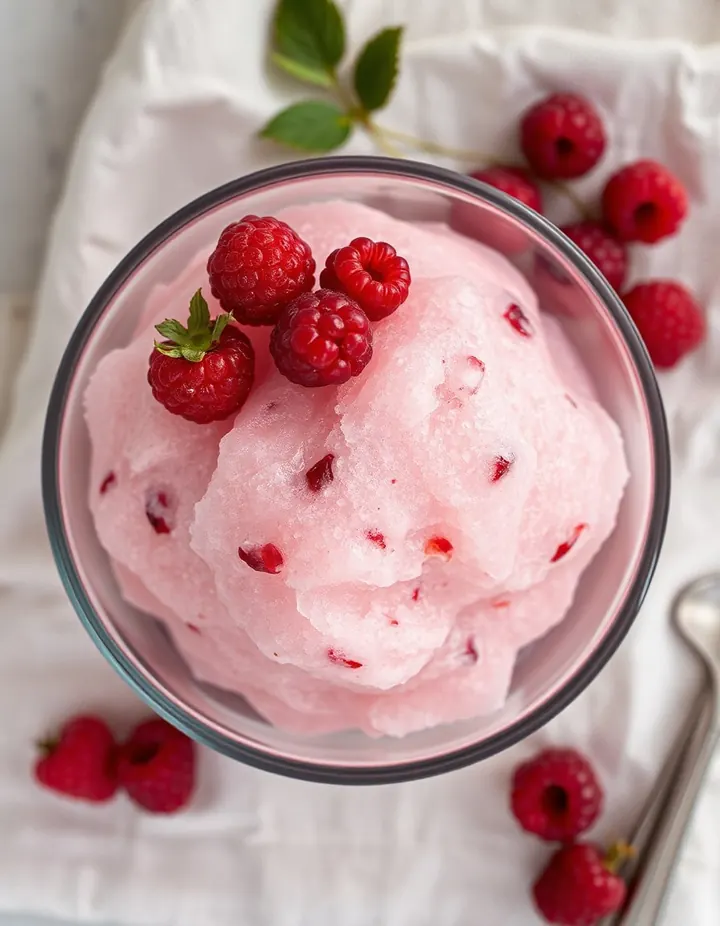 Currant and Raspberry Ice7 recipes
The free Flavor Lab newsletter: one surprising pairing a week and the molecular reason it works, in 60 seconds. No spam, unsubscribe anytime.
Prefer an account? Create a free account to save pairings and unlock the full chemistry.